If you are an architect, interior designer, contractor, or purchasing expert sourcing a custom chandelier for a luxury hotel or commercial space, one question comes up early: how much does a custom chandelier cost? There is no single answer. Each fixture is shaped by your design goals and building conditions, so the price reflects your project, not a catalog.
Seven factors drive that price: size, materials and finishes, design complexity, engineering and prototyping, electrical specs, order quantity, and packaging, shipping, and installation. Knowing them helps you set realistic custom lighting budgets and compare supplier quotes fairly. A custom lighting budget built on these factors is less likely to face surprises.
Key Takeaways
- Size matters: larger chandeliers need more materials and stronger support, which makes them cost more.
- Materials and design details affect cost: crystal, glass, and complex shapes raise the price.
- Engineering and electrical features add cost: custom drawings, early models, and special lighting controls raise the price.
- Order quantity affects the price per unit: buying more identical fixtures can lower the cost of each chandelier.
- Packaging and setup add to the total price: shipping, crates, and on-site work all count toward the overall cost.
Custom Chandelier Cost: The Seven Price Drivers of Custom Lighting
Why Similar-Looking Fixtures Cost Differently
Two chandeliers can look the same in a drawing and still have very different prices. Looks tell you little about the work behind a fixture. A custom chandelier is built around your drawings, your ceiling, and your electrical plan. Each input changes the amount of work required.
Think of two round fixtures of the same width. One uses repeated stock glass parts on a simple ring frame. The other uses glass pieces shaped one by one on a curved, multi-level structure. The second fixture needs custom molds, careful welding, and slow hand assembly. Your eye sees a similar outline. The factory sees a different production process, and that difference shows up in the custom chandelier cost.
That is why you should treat any quote based on a photo alone as a rough starting point. A reliable quote must rest on real project needs, not looks. Size, material grades, finish specs, control systems, and quantity all feed the final number.
How Each Factor Shapes the Quote
The seven core price drivers of custom lighting each touch a different part of the cost breakdown. The table below gives you a quick overview before the detailed sections that follow.
| Pricing Factor | How It Affects the Cost |
| Size and dimensions | Material use and structural needs |
| Materials and finishes | Raw material costs and processing methods |
| Design complexity | Building techniques and assembly labor |
| Engineering and prototyping | Technical development and sample making |
| Electrical specifications | Light sources, drivers, controls, and paperwork |
| Order quantity | Spreading out development and production costs |
| Packaging and installation | Shipping, protective packaging, and site needs |
Read the table as a map, not a menu. Each factor carries different weight from project to project. A lobby chandelier with complex shapes may have design complexity as the leading cost driver. A repeat order for fifty identical corridor fixtures may have quantity play a larger role. Your custom lighting budget should reflect that balance.
The price of any single fixture also depends on how these factors work together. A larger size raises material use, and it may also call for structural reinforcement, which adds engineering time. A premium finish can need extra polishing or plating, which adds processing cost. You cannot single out one line and ignore the rest.
Use this framework when you review supplier quotes. Ask which factors drive the number, and ask for the assumptions behind each one. That habit turns a single figure into a clear custom chandelier cost you can defend to your client or procurement team. The sections ahead go through each factor in turn, with the practical details you need to plan and compare.
Size, Materials, and Design Complexity
Dimensions, Weight, and Canopy Scale
Size is the first cost driver you can measure. A bigger fixture needs more decorative materials, more structural parts, more wiring, and more assembly work. But price does not go up in a strict ratio to size. A wider diameter can force changes to the support frame, the hanging system, and the inside structure.
Plan around all the measurements: overall dimensions, total weight, how it hangs, structural reinforcement, modular assembly, and maintenance access. The size and bulk of a fixture also affect its canopy design. Large custom canopies cover more ceiling area, and each hand-blown glass pendant you add raises material use and assembly time.
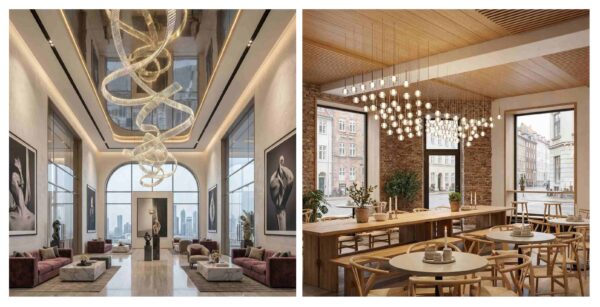
Compare two projects. A double-height hotel lobby fixture may span several meters and need engineered suspension points, sectional construction, and service access above the ceiling. A restaurant dining-table chandelier stays small and mounts on a standard ceiling box. The lobby fixture costs far more, even in the same style.
Materials, Finishes, and Fabrication Detail
Material choice changes price, weight, and how hard it is to make. The table below shows what drives cost in each common material.
| Material | Main Cost Considerations |
| Crystal | Grade, clarity, cutting, shape, and quantity |
| Decorative glass | Color, texture, molding, and craftsmanship |
| Brass | Material consumption and surface treatment |
| Stainless steel | Thickness, fabrication, and polishing |
| Aluminum | Forming, machining, and finishing |
| Iron or steel | Welding, fabrication, and protective coatings |
Finishes matter too. Polished gold, brushed brass, antique bronze, chrome, matte black, and custom paint each need different processing. Some require extra polishing, plating, coating, or hand work. Balance looks against durability, upkeep, and your budget.
Design Complexity and Manufacturing Techniques
Two fixtures of equal size and material can still be priced far apart. Design complexity explains the gap. A simple ring with repeated parts is easy to build. A sculptural piece with flowing curves takes far more development and production work.
Features that raise manufacturing cost include:
- Complex curves and irregular geometry
- Custom molds and tooling
- Individually fabricated components
- Precision metal cutting and welding
- Handcrafted glass elements
- Multi-level suspension
- Labor-intensive decorative assembly
This is where custom handcrafted chandeliers differ most from catalog pieces. A handcrafted chandelier with individually placed glass requires slow, skilled assembly. Large-scale hand-blown glass chandeliers mix fragile parts with complex frames, so every step needs care. Custom handcrafted chandeliers built to your drawings reward early planning. Share your design intent with the factory, and the team can confirm how each detail affects fabrication, transport, and installation.
Engineering, Electrical Specifications, and Order Quantity
Technical Drawings, Prototyping, and Compliance
Engineering turns a design idea into a fixture you can actually build. The work can include 2D technical drawings, 3D modeling and visualization, and choosing materials and finishes. It may also cover structural and mounting coordination, component development, and making a prototype. Then comes sample review with revisions. A small change to an existing design needs limited development. A fully original installation may need several design reviews before production starts.
The level of customization you request determines this workload. Confirm whether drawings, samples, and tooling are inside the quotation or charged separately. Ask early, and you avoid surprise line items later.
Electrical Features and Volume Pricing
Electrical choices shape both performance and price. The table below lists the main cost considerations.
| Electrical Feature | Cost Consideration |
| Light source | Replaceable lamps or integrated LED modules |
| Color temperature | Standard or specialized requirements |
| Color rendering | LED performance specifications |
| Dimming | Compatible drivers and control systems |
| Lighting controls | DALI, 0-10V, or other protocols |
| Product compliance | Testing and documentation |
Hospitality lighting quality shapes atmosphere and presentation, so settle the LED chandelier specifications during quoting. Confirm destination-market certification requirements early, before production begins.
Order quantity spreads fixed development and tooling costs across identical units. Consider an illustrative example only, not a quotation: $1,000 in development plus $500 in manufacturing per fixture. One unit costs about $1,500. Five units cost about $700 each. Ten units cost about $600 each. Fifty units cost about $520 each. These figures exclude freight, duties, and installation. For a multi-room hotel project, send a complete lighting fixture schedule so the factory can plan production efficiently.
Packaging, Shipping, and Installation Costs
Protective Packaging and Freight
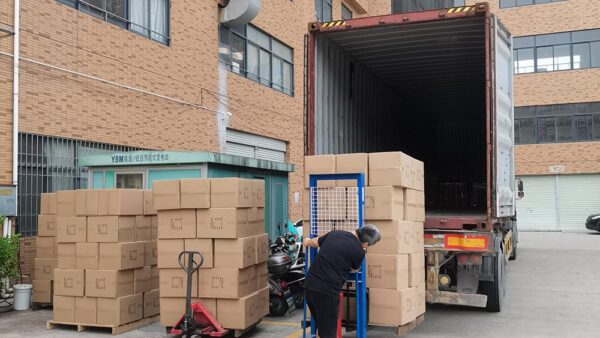
The factory price is only one part of the total project cost. Big or delicate fixtures need special packaging, protective materials, wooden crates, or packing in sections. International freight depends on packed size, weight, shipping method, and destination. Import duties and local charges add to the landed costs.
Large chandeliers may be built in sections so they are easier to ship and put together on site. Make these choices during technical development, not after production. A fixture that ships in modules arrives in sections and can be assembled faster on site.
On-Site Installation and Structural Requirements
Site work adds its own costs. Plan for on-site assembly, lifting and installation equipment, structural and electrical coordination, and maintenance or replacement parts. Weight and size affect the installation price. High ceilings make the job harder, and wiring and bracing needs add cost.
In the U.S., the average cost to install a luxury chandelier runs about $1,500 to $12,000 or more, depending on size, ceiling height, and electrical needs. A custom lighting installation in a tall atrium sits at the high end. A small fixture over a dining table sits near the low end.
Your custom canopies matter here too. A large canopy needs strong structural support above the ceiling. Confirm the structural support plan with the building engineer before the fixture ships. This step protects your schedule and your budget.
Comparing Quotations and Reducing Custom Chandelier Costs
A Quotation Comparison Checklist
A lower quote does not always mean a better deal. A supplier may leave out parts or services. You end up paying for them later. Compare every quote using the same scope.
Use this checklist before you pick a supplier:
- Confirmed fixture dimensions
- Material grade and thickness
- Decorative glass or crystal specifications
- Surface finish requirements
- Electrical components and controls
- Technical drawings and sampling scope
- Applicable compliance documentation
- Packaging and shipping terms
- Production lead time
- Warranty and replacement parts
A clear quote shows exactly what it includes. Ask each supplier to confirm every line. This step keeps hidden extras out of your custom chandelier cost.
Cost Optimization Without Compromise
A tight budget does not mean you have to drop the design. Bring the manufacturer in early. The team can test options that keep the look intact.
| Strategy | Potential Benefit |
| Simplify hidden structural details | Less unnecessary fabrication work |
| Optimize decorative component sizes | Improved material use |
| Consider alternative finishes | Balance looks and processing costs |
| Use repeated components | More efficient production |
| Design for modular assembly | Easier shipping and installation |
| Confirm specifications early | Fewer design revisions |
Never trade structural support, electrical compliance, or core performance for savings. The goal is a practical build that meets the design within your budget.
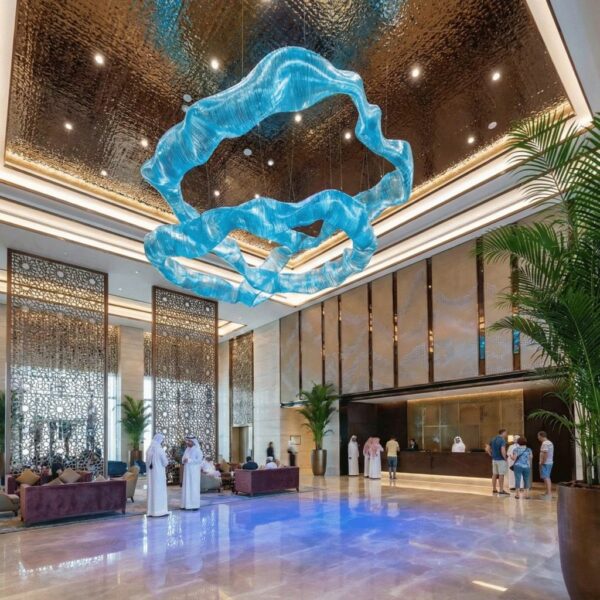
The Azure Wave lobby project in Doha, Qatar, shows why complex work needs project-specific pricing. Its sculptural form, glass makeup, engineering, and site conditions all shape the number. A bespoke chandelier this large cannot be priced from a photo. Each material and finish has a place where it fits best. A simpler fixture suits a restaurant table. A sculptural custom lighting piece suits a grand atrium. Weigh the fixture purchase price against the total cost of ownership. Cleaning, maintenance, and replacement parts all count. Good pricing reflects the full picture, not just the first fixture cost. Plan your lighting installation with the same care.
Seven factors affect the cost of your custom chandelier: size, materials and finishes, design complexity, engineering and prototyping, electrical specs, order quantity, and packaging, shipping, and installation. Keep this list handy as you plan.
Share exact measurements and ceiling details early. Tell the manufacturer your target budget, and the team can suggest materials and methods that fit. Check what each quote includes, then compare quotes that cover the same scope. These steps keep your custom chandelier project on track.
Ready to move forward? Send your reference images, CAD drawings, measurements, material preferences, quantity, and target budget. Our team will prepare a quote just for your chandelier.
FAQ
Why is there no fixed price for a custom chandelier?
Each fixture is made to match your drawings, your ceiling, and your electrical plan. Two projects that look the same may still need different molds, frames, and assembly work. So ask for a quote based on your project, not a number from a catalog.
Why does a bespoke fixture cost more than a standard one?
A standard fixture spreads its design and tooling costs over big production runs. A custom chandelier pays for its own development, drawings, and samples. You are paying for work made only for your project, not for a shared stock design.
Can I keep the design within a set budget?
Yes. Tell the manufacturer your target budget at the start. The team can then suggest dimensions, materials, finishes, and production methods that fit. How close the final result comes depends on your design and technical needs.
Does a bigger fixture always cost more?
Not always. Larger sizes usually need more material and labor. But a smaller piece with complex curves and handcrafted glass can cost more than a larger, simpler chandelier. Design and materials often matter more than raw size.
Does ordering more units lower the unit price?
It can. Development, tooling, and production setup costs get spread across identical units. How much you save depends on the design and the manufacturing process. For multi-room projects, send a full fixture schedule so the factory can plan efficiently.