“How much will it cost?” That’s the first question almost every buyer asks about a custom chandelier. Here’s the honest answer: no standard catalog price exists. Manufacturers build each quote around your project’s specific requirements. Dimensions, materials, design complexity, electrical specs, order quantity, and installation conditions all shape the final number.
You don’t need every technical detail locked down before you reach out. A reference image or a preliminary rendering is often enough to start a real conversation. Still, the more you prepare, the smoother the process becomes. This post walks you through exactly what to gather before requesting a custom chandelier quote, so your first conversation with a manufacturer starts on solid ground.
Key Takeaways
- Gather design references like photos or sketches to show the manufacturer your vision.
- Measure your space accurately, including ceiling height and fixture dimensions.
- Choose materials and finishes that match your style and budget.
- Share your target budget and timeline to get a realistic quote.
- Provide project location and installation details for a smooth process.
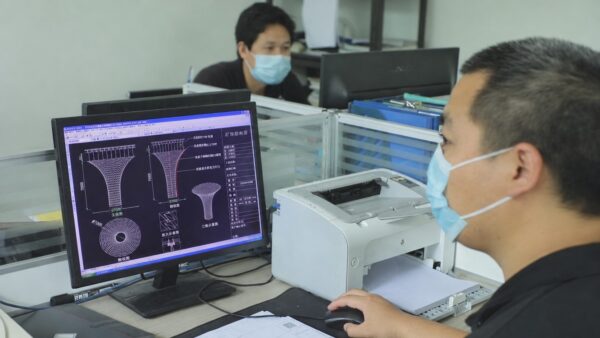
Design References for Your Custom Chandelier Quote
The first step is simple: tell the manufacturer what the chandelier should look like. Design intent comes before pricing. A manufacturer needs to see the shape, style, and scale you have in mind. They also need to understand how the fixture relates to the surrounding architecture. Does it hang in a grand atrium, float above a restaurant table, or anchor a quiet villa stairwell? That context shapes every later decision.
Images, Sketches, and CAD Drawings
You have more ways to communicate than you might expect. Useful references include:
- Architectural renderings and interior design concepts
- CAD drawings, hand sketches, or 3D models
- Photos of chandelier designs you like
- Material boards and interior finish schedules
- Drawings of an existing fixture that needs modification
Each format carries different information. A detailed CAD drawing clarifies dimensions and structural relationships. A 3D rendering communicates the overall visual effect. Together, they give the manufacturer a complete picture: a photo alone shows style, while a drawing shows how the parts fit together.
Concept Stage vs. Detailed Design
Many projects arrive at the concept stage, and that is perfectly fine. You can begin with just a reference image and an approximate size. The manufacturer can then review feasibility and discuss options with you. Design collaboration can form part of the service: for suitable projects, 2D and 3D design development happens alongside the quotation work, and your rough idea becomes a buildable design through that back-and-forth.
Detailed design suits projects that already have technical documentation. If your team holds full CAD drawings, share them. The manufacturer can refine the engineering and confirm production details faster. Either path works. The key is honesty about where your project stands. Say “we have a mood board” or say “we have full drawings.” Both start a productive conversation and both move you toward a reliable custom chandelier quote.
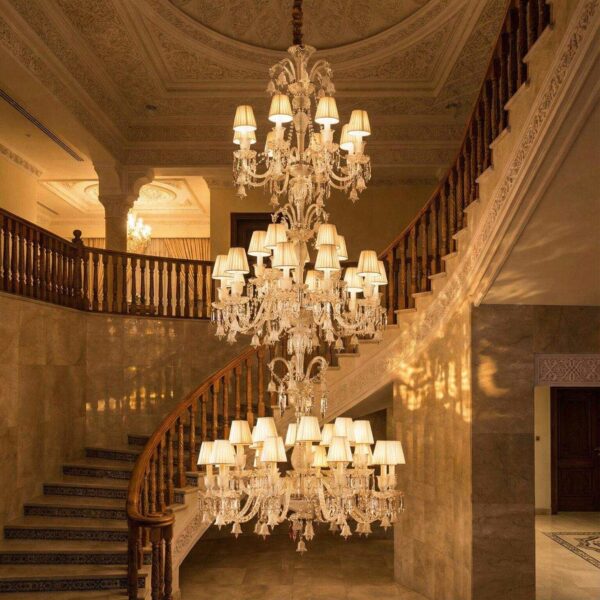
Dimensions and Ceiling Conditions
Size drives price more than almost anything else. A chandelier for a double-height hotel lobby demands far more material, structure, and engineering than a piece for a private dining room. The two projects sit in completely different cost ranges. So give the manufacturer real numbers, even rough ones, and the estimate gets much closer to reality.
Key Fixture Measurements
Gather these six figures before you send your request. Each one answers a question the manufacturer will ask anyway.
| Measurement | What It Describes |
| Length | Overall fixture length |
| Width or diameter | Maximum horizontal dimension |
| Fixture height | Height of the decorative body |
| Suspension drop | Distance from ceiling to fixture |
| Ceiling height | Finished floor to ceiling |
| Installation clearance | Space available beneath and around the fixture |
Write down what you know and mark what you don’t. A missing figure is easy to discuss; a wrong figure causes problems later.
Ceiling Height, Layout, and Support
Large installations need more than a single number. Ceiling plans and architectural sections show how the fixture sits within the whole space. They reveal beam positions, slab conditions, and the routes crews will use to reach the mounting point. Share them whenever your project has them.
Mounting locations matter too. Identify where the fixture will attach, what access the installation team will have, and any structural information your building team already holds. A chandelier that spans several meters needs a suspension plan, not just a hook. Access restrictions deserve early attention as well: a tight stairwell or a finished atrium ceiling changes how crews assemble and lift the piece.
One important boundary: final structural support and mounting arrangements must be reviewed by qualified project professionals. The manufacturer builds the fixture; your structural engineer or contractor confirms the building can carry it. Keep those roles clear from the start.
Approximate measurements still help. If your drawings are not final, send your best estimates. They support an initial feasibility discussion and give the manufacturer a basis for preliminary pricing. You can refine the numbers as the design develops. Precise dimensions can wait for the final quotation; rough ones get the conversation moving today.
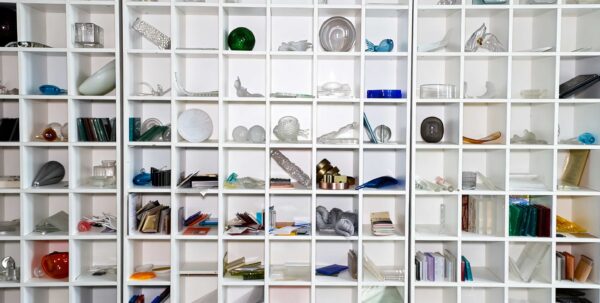
Materials, Finishes, and Lighting Specs
Material choice changes everything. It shapes the look, the weight, the manufacturing complexity, and the price. Two chandeliers with nearly identical shapes can land in very different cost ranges once you swap crystal for glass or brass for aluminum. So tell the manufacturer what you want the fixture to feel like, and let them map that to materials.
Metal, Crystal, and Glass Options
Here is how the common options compare:
| Material | What to Consider |
| Crystal | Clarity, optical appearance, weight |
| Decorative glass | Color, texture, shape, fabrication |
| Stainless steel | Structural design and surface treatment |
| Brass | Decorative appearance and material cost |
| Aluminum | Weight and manufacturing feasibility |
| Iron or steel | Structural application and protective finishes |
Surface finishes deserve equal attention. Popular choices include polished gold, brushed brass, antique bronze, chrome, matte black, and custom-painted finishes. Physical samples help you confirm color and texture before manufacturing starts. If you feel unsure which material suits your project, share your preferred visual effect and budget, and the manufacturer can suggest suitable alternatives.
Electrical and Control Requirements
A decorative chandelier must look right and work right. Your brief should cover the required voltage and frequency, integrated LED versus replaceable light sources, preferred color temperature, brightness, and color rendering. Warm white light around 2700K-3000K often suits hospitality interiors, though your lighting designer’s requirements should guide the final call.
Control systems matter too. Projects using DALI, 0-10V, or other dimming systems should flag compatibility needs at the quotation stage. If your project requires specific certifications, say so before design confirmation. Compliance depends on the finished fixture and the destination market; certified components alone do not make the whole chandelier compliant.
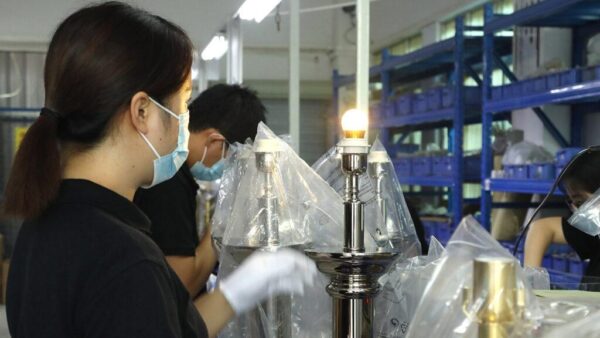
Quantity, Budget, and Timeline
Order quantity changes the math. A single signature chandelier needs dedicated design work and individual fabrication. A larger run of identical fixtures spreads tooling and production costs across every unit. So tell the manufacturer how many pieces you need, even if the count is still tentative.
For multi-space projects, a fixture schedule keeps everything clear. Here is a simple example:
| Fixture ID | Location | Type | Quantity |
| CH-01 | Main lobby | Statement chandelier | 1 |
| CH-02 | Restaurant | Linear chandelier | 6 |
| CH-03 | Private dining room | Decorative chandelier | 4 |
Single Fixtures vs. Multi-Unit Orders
A one-off piece gets full attention on design and assembly, and that focus shows in the price. Repeat orders of the same model let the manufacturer plan production runs and distribute setup costs. Both paths work well; the right choice depends on your project scope.
Target Budget and Delivery Date
Share a target budget with your custom chandelier quote request. It helps the manufacturer recommend practical solutions. If a design exceeds your budget, you have options: adjust the dimensions, simplify decorative details, change materials, or optimize components. These changes should preserve the design intent, not just cut quality.
Compare quotes on scope, not fixture price alone. Check whether design services, sampling, packaging, freight, and installation assistance are included. A clearly defined scope beats a low number with hidden gaps.
Timelines matter too. Sampling typically takes 2-4 weeks after design confirmation, and bulk production generally runs 4-8 weeks. Treat these as planning estimates, not guarantees; complex projects, revisions, and material availability can shift the schedule. Give your expected installation date and required on-site delivery date when you request your custom chandelier quote. Early coordination builds a realistic procurement plan.
Location, Delivery, and Installation
Where the chandelier goes shapes how it gets built. Your project country and installation environment affect electrical requirements, documentation, packaging, logistics, and even material selection. An indoor hotel lobby and a covered outdoor or humid space call for different approaches. Salt air, moisture, and temperature swings all influence how you protect metal and finishes over time.
Project Location and Environment
Share a few basics with your manufacturer up front: the project country and delivery destination, the interior type, whether the fixture goes indoors or outdoors, and any environmental or maintenance needs. List the electrical and building regulations that apply in your market. These details guide component selection, product documentation, and protective packaging.
Shipping, Access, and Installation
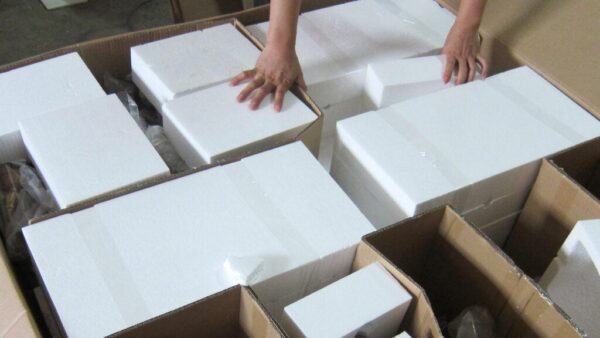
Large chandeliers need early planning beyond the fixture itself. Map the access routes crews will use to bring the piece inside. Confirm what installation equipment is available on site. Discuss assembly requirements and structural coordination with your building team. A fixture that arrives in sections needs a clear plan for joining and lifting it.
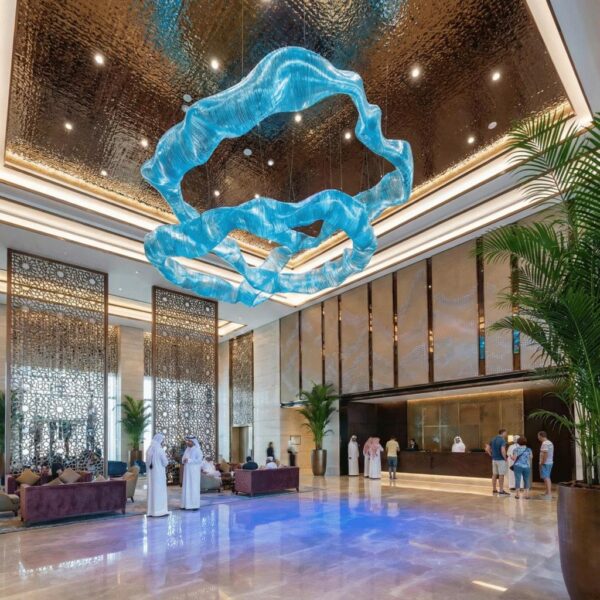
A real project shows why this matters. One custom chandelier for a luxury hotel atrium in Doha, Qatar, was designed around a 12 m atrium height and an installation span of over 6 m. A reference photo alone could never support a quote for that scale. The manufacturer needed the architectural scale, intended geometry, material requirements, illumination concept, and suspension conditions before production could begin. Share your site details early, and your quote reflects the real project.
A complete information package makes all the difference. Design references, dimensions, materials, electrical specs, quantity, budget, location, and timeline together give a manufacturer what they need to price your project accurately. Gather what you can, and note what is still open.
You do not need every detail finalized. A reference image or a few preliminary requirements is enough to begin the conversation. Use the checklist above as a preparation tool before you contact a manufacturer. Walk through it once, fill in the gaps you can, and bring the rest to the discussion.
Thorough preparation pays off. You get a more reliable custom chandelier quote, fewer surprises later, and a smoother path from concept to installation.
FAQ
Can I start with just a reference picture?
Yes. A photo gives the manufacturer a starting point. Add approximate dimensions, material preferences, and quantity, and you can get a preliminary estimate. Final pricing needs more specification, but the conversation can begin today.
Do I need professional CAD drawings first?
No. Sketches, renderings, and reference images all work as starting points. If your team already holds CAD files, share them. Otherwise, design development can form part of the service for suitable projects.
How much does a custom chandelier cost?
There is no universal price. Size, materials, structural complexity, electrical specs, quantity, and manufacturing requirements all shape the number. A project-specific quotation is the only reliable answer.
How long does manufacturing take?
Plan for roughly 2-4 weeks of sampling after design confirmation, then 4-8 weeks for bulk production. Treat these as planning estimates, not guarantees. Complex designs, revisions, and material availability can shift the schedule.
What should a quotation include?
Look for fixture specifications, materials, quantity, pricing, lead time, packaging scope, delivery terms, and any separately charged design or sampling services. Compare quotes on scope, not fixture price alone.