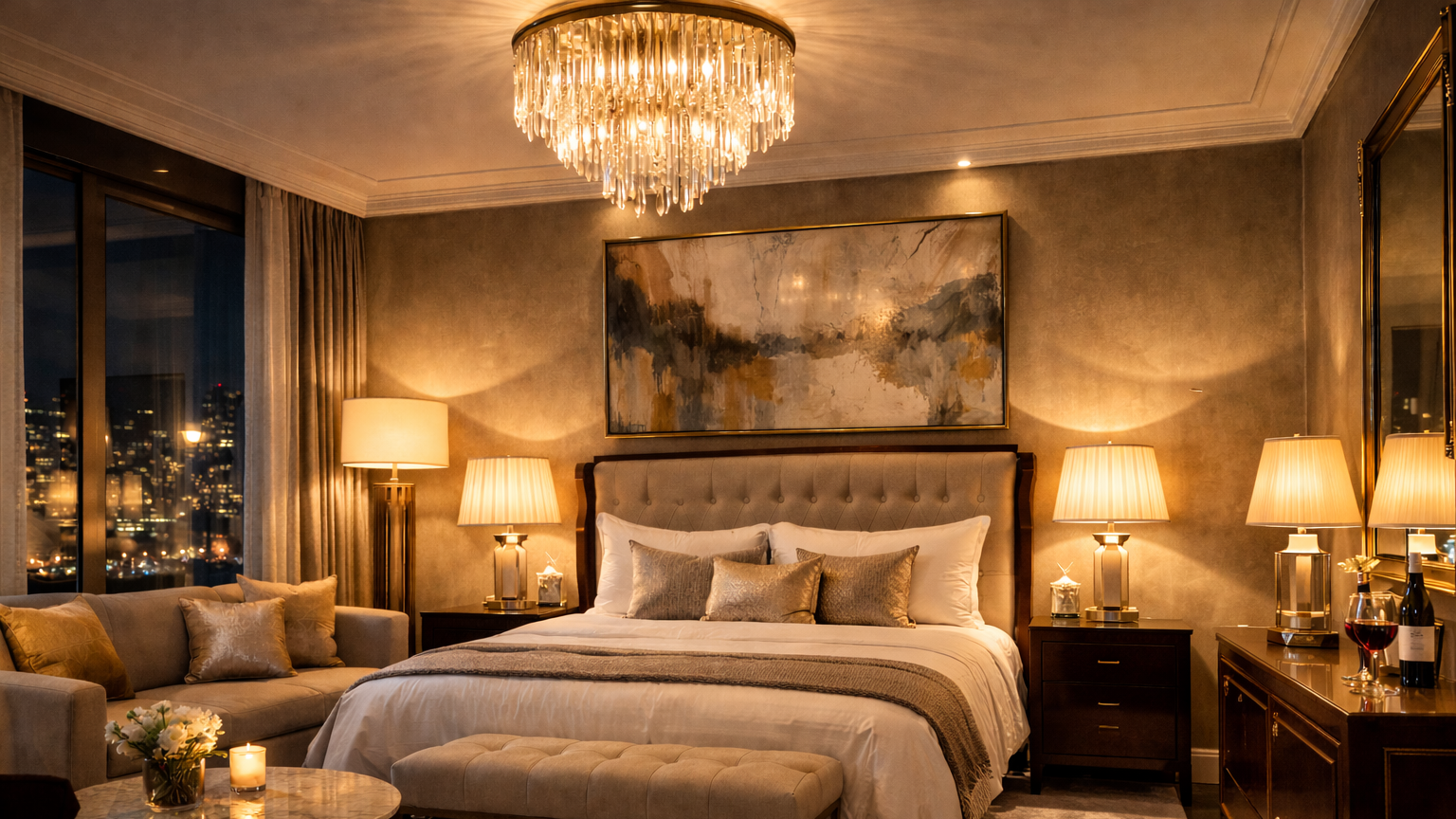
When you enter a hotel, lighting creates your first impression before any staff interaction. Bright, welcoming spaces immediately foster relaxation. Research indicates that visual perception dominates sensory experience, making lighting’s impact substantial. Thoughtful hospitality lighting reduces stress and influences mood. Appropriate color temperatures and brightness levels enhance comfort and improve initial impressions. Guests frequently mention lighting in feedback, highlighting its importance in hospitality design.
Key Takeaways
- Lighting establishes atmosphere. Warm, soft illumination creates cozy spaces that help guests relax and feel at home.
- Layered lighting design enhances comfort. Combining ambient, task, and accent lighting makes rooms both functional and inviting.
- Smart lighting controls offer personalization. Guests can adjust brightness and color to suit preferences, creating customized experiences.
- Effective lighting enhances safety and cleanliness perception. Properly illuminated areas feel secure and well-maintained.
- Quality lighting improves guest satisfaction. Positive experiences lead to better reviews and increased likelihood of return visits.
Psychological Impact of Hospitality Lighting
Mood and Behavior
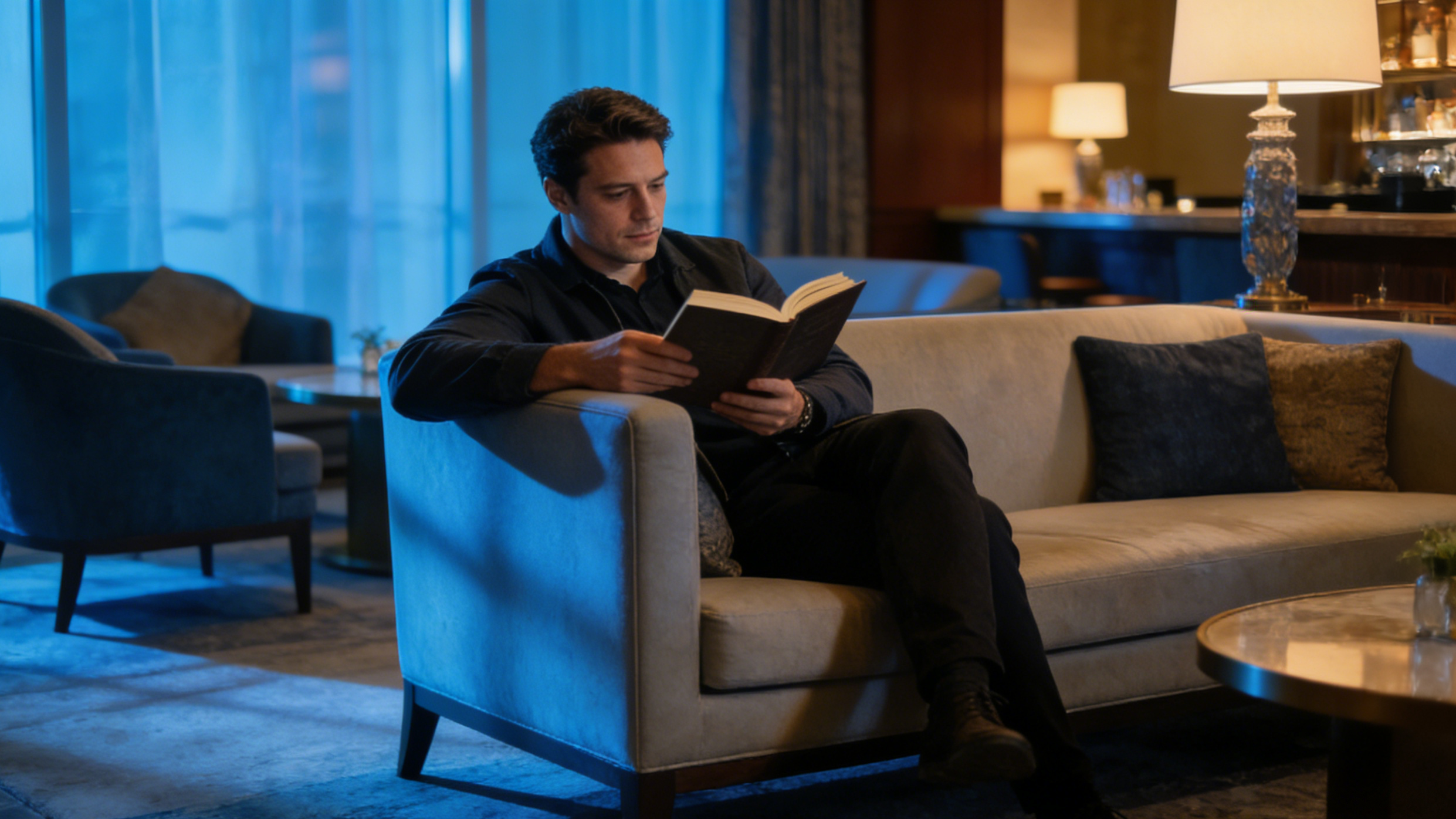
Lighting color and intensity significantly influence emotional states. Research demonstrates that colored lighting affects mood and behavior in hospitality settings. Blue tones promote calmness, while red hues may evoke relaxation or mild agitation. Appropriate lighting encourages social interaction and extended stays, whereas poor illumination may lead to discomfort and early departure.
- Lighting types like ambient, task, and accent affect dining experiences
- Effective lighting elevates mood and encourages longer visits
- Well-lit spaces support healthier choices and enhanced meal enjoyment
These effects illustrate lighting’s psychological impact. Positive emotional responses increase satisfaction and likelihood of positive reviews.
Comfort and Perception
Lighting influences comfort and safety perceptions beyond mood setting. Hotel rooms with distinct zones for reading, relaxation, and preparation demonstrate how lighting creates functional areas without physical boundaries. Proper lighting contributes to warm, clear atmospheres that guests perceive positively.
- Lighting creates relaxing or energizing environments as needed
- Soft, warm illumination aids post-travel relaxation
- Strategic lighting design supports focused or calm states based on room purpose
Lighting also affects cleanliness and safety perceptions. Soft ambient lighting conveys luxury and comfort, while harsh or flickering lights create unease and negative impressions. Thoughtful lighting communicates attention to guest experience.
- Proper lighting enhances cleanliness appearance and welcoming atmosphere
- Layered lighting combining multiple types creates inviting environments
- Warm-white bedroom lighting promotes relaxation, while neutral-white vanity lighting improves visibility
- Diffusers minimize glare and maintain visual comfort
Lighting is frequently underestimated in hospitality design, yet significantly impacts ambiance and mood. Common mistakes include overly dim fixtures creating gloomy atmospheres or excessively bright lighting causing discomfort.
Circadian Rhythm and Sleep
The body’s circadian rhythm regulates wakefulness and sleepiness. Hospitality lighting can support this natural cycle when implemented correctly. Some hotels employ adaptive lighting systems that adjust color and brightness throughout the day. For example, certain hotel groups utilize mobile task lights that modify light spectrum to promote alertness in mornings and sleep readiness in evenings.
When lighting aligns with physiological needs, sleep quality improves and guests wake refreshed. Inappropriate lighting disrupts sleep patterns, potentially leading to negative reviews and reduced return likelihood. Ultimately, lighting design extends beyond aesthetics to influence emotions, behavior, and rest quality. Attention to these details distinguishes exceptional hospitality experiences.
Hospitality Lighting Strategies
Layered Lighting Design
Effective hotel lighting utilizes layered approaches to create optimal atmospheres. Three primary types work together: ambient lighting establishes overall mood, task lighting supports activities like reading, and accent lighting highlights features or artwork.
- Use energy-efficient LEDs for warm or cool tones
- Implement smart controls for time-based adjustments
- Incorporate accent lighting to feature local art or design elements
Each lighting type contributes differently to guest comfort:
| Lighting Type | Recommended Lux Level | Impact on Guest Satisfaction |
|---|---|---|
| Ambient | 150–300 lux | Promotes relaxation and comfort |
| Task | 300–500 lux | Enhances visibility for reading or work |
| Accent | 100–200 lux | Highlights room features and aids nighttime navigation |
Tip: Guest-controlled lighting adjustments increase comfort and satisfaction by creating personalized environments.
Color Temperature Choices
Light color significantly influences guest experience. Warm white light (2700K–3500K) creates cozy, relaxing atmospheres, while cooler light (4000K–5000K) enhances focus and alertness. In hotel rooms, warmer tones suit sleeping areas, while cooler tones benefit workspaces and bathrooms.
- Hotel rooms: 2700K–3500K for calm, restful environments
- Bedside lamps: 2700K–3000K to support relaxation
- Desk lights: 4000K–5000K for improved concentration
Strategic color temperature selection optimizes guest experience by aligning lighting with room functions.
Fixture Placement
Lighting placement affects navigation, safety, and space utilization. In lobbies, clearly illuminated pathways guide guests from entrances to reception areas. Guest rooms benefit from zoned lighting for sleeping, reading, and preparation areas.
- Position lights to illuminate paths and minimize shadows
- Coordinate lighting with furniture to define conversation or relaxation zones
- Ensure signage receives adequate illumination for easy identification
Well-planned lighting creates welcoming, user-friendly environments.
Space-Specific Solutions
Different hotel areas require tailored lighting approaches. Lobbies benefit from adaptable LED systems that adjust for daytime and evening atmospheres. Guest rooms equipped with circadian lighting support better sleep and wake experiences. Restaurants need flexible lighting for varying meal services.
- Implement smart lighting for energy efficiency and dynamic effects
- Use flexible LED solutions for welcoming entrances and wayfinding
- Focus on room lighting that supports guest activities like reading or relaxing
Space-appropriate lighting enhances comfort and creates memorable experiences.
Lighting and Guest Satisfaction
Reviews and Loyalty
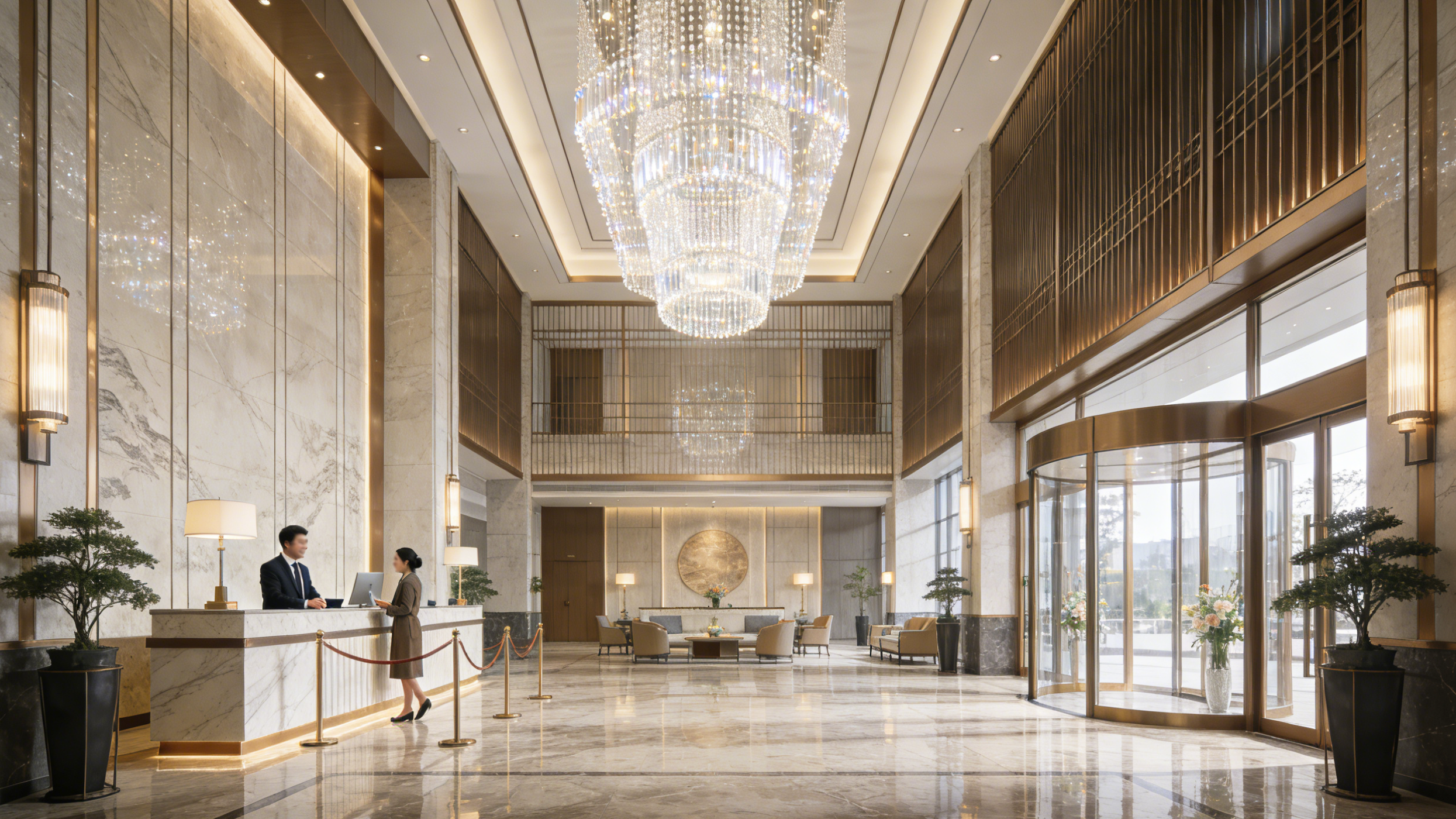
Quality hotel lighting creates immediate positive impressions, enhancing safety and welcome feelings. Bright lobbies and cozy rooms promote calmness, frequently mentioned in guest reviews. Satisfied guests share positive feedback and recommendations.
Lighting choices directly influence guest satisfaction and loyalty:
| Evidence Description | Impact on Guest Reviews |
|---|---|
| High-quality lighting enhances food presentation and safety perception | Increases guest happiness and positive review likelihood |
| Well-lit outdoor spaces encourage return visits | Creates feelings of safety and welcome, improving hotel perception |
| Clean, properly illuminated rooms build brand trust | Increases repeat bookings and brand loyalty |
Guests seek environments where they feel cared for and comfortable. Memorable lighting experiences influence repeat booking decisions.
Sustainable lighting design improves mood and sleep quality, enhancing relaxation and visit enjoyment. Guest-controlled lighting via mobile apps creates personalized experiences, increasing satisfaction.
- Combined natural and artificial light improves happiness
- Better sleep leads to refreshed wake experiences
- Enhanced satisfaction increases positive review likelihood and return visits
Repeat Business
Positive experiences drive return visits. Hotel lighting significantly contributes to these experiences. Well-lit restaurants enhance food presentation and dining enjoyment, creating memorable moments that guests wish to repeat.
Ways hotel lighting encourages repeat business:
- Enhanced dining experiences through appropriate lighting
- Effective food and decor presentation through strategic illumination
- Welcoming atmospheres created by thoughtful lighting
- Guest preference for returning to well-lit establishments
While lighting may operate subconsciously, its emotional impact persists. Safe, relaxed, and happy experiences motivate return visits. Hotels with clean, appropriately lit rooms and quality lighting achieve higher guest retention.
Operational Benefits
Beyond guest experience, hotel lighting offers operational advantages. Modern lighting solutions like LEDs reduce energy consumption, lowering costs and environmental impact. Smart controls automate lighting, further improving efficiency.
Advantages of contemporary hotel lighting:
- LED lighting significantly reduces power consumption compared to traditional bulbs
- Extended LED lifespans decrease replacement frequency
- Motion sensors and daylight controls optimize energy use
- Existing wiring often supports upgrades, reducing installation costs
- Energy-efficient lighting supports sustainability goals
- LEDs eliminate hazardous materials like mercury
- Adjustable brightness and color enhance guest comfort
Guests benefit from these improvements through enhanced room comfort and lighting control. Staff efficiency improves when maintenance demands decrease. Automated scheduling maintains optimal lighting conditions, supporting better service delivery.
Hotels achieve return on investment through energy and maintenance savings, with potential rebates or tax incentives. Most importantly, improved guest satisfaction increases loyalty and return visits.
| Metric | Description |
|---|---|
| Energy Savings | LEDs reduce energy consumption by 50–80% compared to traditional lighting |
| Maintenance Savings | 50,000–100,000-hour LED lifespans decrease staff workload |
| Rebate Incentives | Utilities often provide financial incentives for lighting upgrades |
| Non-Energy Benefits | Improved comfort and brand image enhance guest experience |
Tip: Lighting upgrades create mutual benefits: enhanced guest experiences and operational efficiencies for hotels.
Lighting creates immediate impressions upon entry. Bright illumination maintains alertness, while softer lighting promotes relaxation. Effective lighting enhances safety, comfort, and even dining enjoyment.
- Warm colors establish cozy atmospheres
- Strategic placement guides navigation
- Adjustable LED lighting supports mood customization
| Benefit | Why It Matters |
|---|---|
| Enhances ambiance | Encourages extended stays and enjoyment |
| Improves usability | Simplifies room navigation and use |
| Reinforces quality | Builds trust in hotel standards |
Hospitality professionals should evaluate lighting systems. Implement layered approaches with dimming capabilities, ensure adequate illumination in common areas for safety, and recognize that improved lighting increases guest satisfaction and return likelihood.
FAQ
What kind of lighting helps you sleep better in hotels?
Warm, soft illumination in bedrooms supports relaxation and aligns with natural sleep cycles. Bedside lamps with warm color temperatures facilitate easier sleep onset.
Can lighting really change how you feel during your stay?
Yes. Bright, welcoming lighting promotes happiness and safety, while dimmer illumination encourages relaxation. Appropriate lighting significantly influences mood and visit enjoyment.
Why do hotels use different lights in lobbies and rooms?
Lobbies require bright lighting for alertness and safety, while rooms benefit from softer illumination for relaxation. Each space’s lighting aligns with its specific functions and guest activities.
How does smart lighting improve your hotel experience?
Smart lighting enables brightness and color adjustment through switches or apps, allowing personalized settings that enhance comfort and create customized experiences.
Does better lighting help hotels save money?
Absolutely. LED lighting reduces energy consumption and extends lifespan, decreasing electricity and maintenance costs. These savings allow hotels to allocate resources toward enhancing guest experiences.