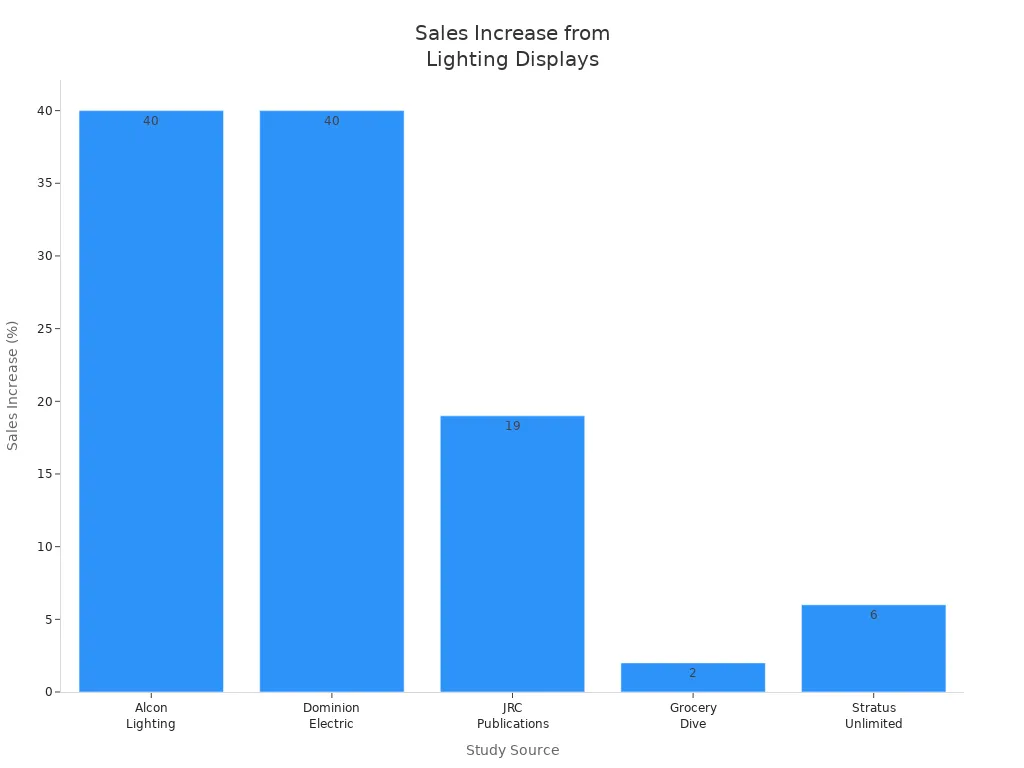
You might not realize how much irresistible lighting displays can change the way shoppers feel and act. Did you know stores can see sales jump by up to 40% just by changing their lighting? Take a look at this table from recent studies:
| Study Source | Percentage Increase in Sales |
|---|---|
| Alcon Lighting | Up to 40% |
| Dominion Electric | Up to 40% |
| JRC Publications | 19% |
| Grocery Dive | 2% |
| Stratus Unlimited | 6% |
When you walk into a store, lighting can instantly set the mood. It can make you feel welcome, excited, or even encourage you to stay longer and shop more. Smart lighting tricks can speak to your emotions and help stores build a strong brand identity. Keep reading for practical ideas you can use right away.
Key Takeaways
- Good lighting can help stores sell more. Sales can go up by 40%. Lighting makes the store feel friendly. Shoppers may want to stay longer.
- Use different kinds of lighting together. Try ambient, task, and accent lighting. This makes products stand out. It also makes the store feel nice.
- Pick the right color temperature for your lights. Warm lights make the store feel cozy. Cool lights make it look modern. Choose what fits your brand best.
- Change your lighting displays for each season. New displays get people’s attention. This keeps customers interested in new things.
- Buy smart lighting systems for your store. These lights save energy and money. They can change by themselves when more people come in.
Lighting’s Impact on Retail Sales
Shopper Psychology and First Impressions
When you enter a store, you notice the lighting first. It can help you feel safe and relaxed. Good lighting can also make you excited to shop. The right lighting lets you see products better. It makes the store feel friendly and fun.
Lighting assets are very important in stores. They help customers and workers feel safe and comfortable. They also help stores sell more products.
Studies show lighting affects your first thoughts about a store. For example, one study looked at a clothing store in India. The store used lighting with a color temperature of 5700K and 500 lux. Shoppers thought the store looked brighter and more welcoming. They found it easier to walk around. You might notice if a store is too dark or too bright. Good lighting makes you want to stay and look at more things.
Curb Appeal and Window Displays
The outside of a store matters a lot too. If the front looks bright and fun, you want to go inside. Good lighting can make a window display stand out. It can catch your eye from far away.
- Good lighting helps people see the store better. It makes the store feel friendly and open, which brings in more customers.
- Studies show that stores with bright fronts get more visitors than dark ones.
- One bakery saw 20% more people come in after using better lighting.
You can use spotlights or string lights in your windows. Colorful LEDs can also make products stand out. Try changing your lights for holidays or special days. When your store looks bright, more people want to come in and look around.
Understanding Layers and Zoning
Ambient, Task, and Accent Lighting
You can make your store feel amazing by using three types of lighting: ambient, task, and accent. Each one has a special job. Ambient lighting gives your store its main glow. It sets the mood and helps people see where they are going. Task lighting shines on work areas or places where you want shoppers to focus, like checkout counters or fitting rooms. Accent lighting draws attention to special products or displays. It helps you highlight what matters most.
Here’s a quick look at how these lighting types work in different spaces:
| Room | Ambient Lighting | Task Lighting | Accent Lighting |
|---|---|---|---|
| Living Room | Chandeliers, recessed lighting | Table lamps, floor lamps | Wall sconces, LED strip lights |
| Kitchen | Recessed lights, flush mounts | Pendant lights, under-cabinet lights | Backlighting on shelves |
| Bedroom | Ceiling fans with lights | Bedside lamps | Wall sconces, LED strips |
When you layer these lights, you make your store brighter and more inviting. You also help customers see products better. Layered lighting can even save energy and boost comfort. Shoppers feel safer and more relaxed when you use the right mix.
Zoning for Product Categories
Zoning means you give each area of your store its own lighting plan. You can use brighter lights in busy spots and softer lights in calm zones. This helps shoppers know where to look and where to go next. For example, you might use strong task lighting over a jewelry counter and softer ambient light in a lounge area.
Stores and even big places like logistics centers use zoning to make spaces work better. They use independent lights for loading docks and storage zones. Manufacturing plants use bright, high-CRI lights in assembly areas and dimmer lights in walkways. Some buildings even have separate lighting zones for each tenant.
Here are some ways zoning helps your store:
- Makes products easier to see.
- Saves energy by lighting only where needed.
- Keeps shoppers comfortable and safe.
- Guides people through your store.
When you use layers and zoning together, you create a shopping experience that feels natural and exciting. You help customers find what they want and enjoy their time in your store.
Color Temperature and Rendering
Correlated Color Temperature (CCT)
Have you ever noticed how some stores feel warm and cozy, while others seem bright and energetic? That’s the magic of color temperature. You can use CCT to set the mood in your store and make products look their best. Color temperature is measured in Kelvin (K). Lower numbers, like 2700K, give off a soft, warm glow. Higher numbers, like 4000K, create a crisp, cool light.
Here’s what works best for retail spaces:
- Most stores use lighting between 2700K and 4000K.
- You can mix different color temperatures to highlight certain areas or products.
- The right color temperature depends on your brand and the feeling you want shoppers to have.
If you want your store to feel inviting, try warmer lights. For a modern look, go with cooler tones. Mixing both can help you show off products and create a unique vibe.
Tip: Test different color temperatures in your displays. See how your products look under each one. You might be surprised by the difference!
Color Rendering Index (CRI)
Color Rendering Index, or CRI, tells you how well a light shows the true colors of your products. High CRI lights (90 and above) make colors pop and look real. Shoppers trust what they see, so accurate color matters a lot.
Why does CRI matter for your store?
- High CRI lighting makes products look more attractive and vibrant.
- Shoppers enjoy a better experience when colors look true and bright.
- Stores that switch to high CRI lighting often see better sales because products stand out.
- Sectors like bakery, floral, apparel, and grocery need high CRI to show off natural colors.
If you want customers to love what they see, choose lights with a high CRI. Your merchandise will look its best, and shoppers will feel confident about their choices.
Note: Always check the CRI rating when buying new lights. The higher the number, the better your products will look!
Creating Irresistible Lighting Displays
Focal Points and Product Placement
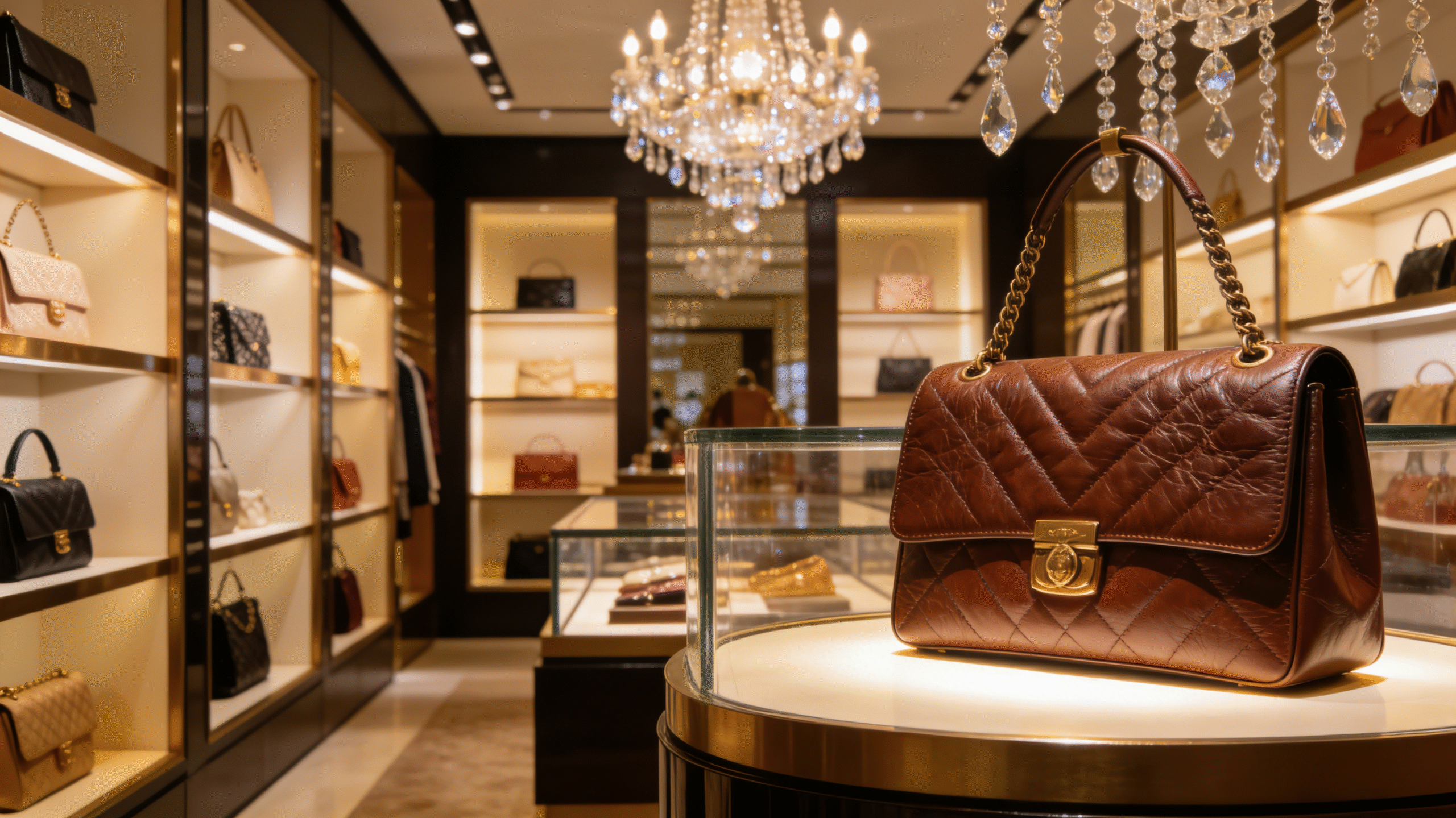
You want people to see your best products first. Irresistible lighting displays help make this happen. When you shine a light on something, it becomes the main focus. This makes shoppers curious and draws them closer. Accent lighting can show off new items, top sellers, or special deals. Put these products at eye level and use brighter lights so they stand out.
A smart store layout helps guide shoppers from one bright display to another. You can use spotlights, track lights, or small lamps to make these areas pop. Add props or colorful backgrounds behind your products for extra interest. When you mix good lighting with smart product placement, shoppers want to look around and stay longer.
- Accent lighting helps products get noticed.
- Clear walkways and bright displays make shoppers feel good.
- Good lighting at the entrance can set the mood and welcome people in.
Tip: Use anti-glare lights and point accent lighting the right way. This makes displays easy to see and helps your products look their best.
Storytelling with Light
Every store has its own story. Irresistible lighting displays let you share that story in a fun way. You can use different colors, shapes, and shadows to create a scene. Warm lights can make a space feel cozy. Cool lights can make it feel modern. Colored LEDs can match your brand or theme.
Props and lightboxes add more to your story. Lightboxes use bright, even light to show off signs, pictures, or special products. They grab attention and make displays look fancy. You can change what’s inside the lightboxes for new sales or seasons.
- Decorative lighting helps shoppers remember your store.
- 3D accent lighting adds depth and makes displays more fun.
- Grouping products by color or theme works even better with good lighting.
When you use lighting displays to tell a story, shoppers feel connected to your store. They get more interested and want to buy things.
Seasonal and Promotional Displays
Stores should change their displays for each season. Irresistible lighting displays keep your store looking new and fun all year. You can change your lights for holidays, sales, or special events. For example, use warm lights in fall or bright colors in spring.
Changing your lighting for each season makes products look fresh and exciting. Shoppers notice these changes and want to see what’s new. You can also use special lighting systems to change colors or brightness for sales. This gets attention and makes your store stand out.
| Display Type | Lighting Tip | Impact on Shoppers |
|---|---|---|
| Holiday Windows | Use string lights and spotlights | More people come inside |
| New Product Launches | Add lightboxes and colored LEDs | Products are easier to see |
| Clearance Sales | Use flashing or moving lights | Shoppers notice sale items |
- Bright seasonal displays can help stores sell much more than dark ones.
- Shoppers spend more time in stores with nice lighting.
- Most buying choices happen in the store, so make every display count.
Note: Keep your lighting displays new by changing them often. Shoppers like to see something different each time they visit.
When you use accent lighting, props, color, and smart display ideas, you make lighting displays that shoppers love. These displays help you sell more, build your brand, and make shopping fun.
Smart Lighting and Technology
Smart Controls and Dynamic Lighting
You can use new lighting technology to make your store smarter. Smart lighting systems help you save energy and money. You can control the lights with your phone or computer. You can change how bright the lights are or what color they show. You can also set times for the lights to turn on or off. These systems can change the lights by themselves. If more people come in, the lights get brighter. If the store is quiet, the lights get dimmer to save power.
| Feature | Description |
|---|---|
| Energy Efficiency | Smart lighting uses less energy and lowers bills. |
| Real-Time Adjustments | Lights change with foot traffic and can be controlled from anywhere. |
| IoT Integration | Connects with other systems for easy control and automation. |
| Enhanced Engagement | Dynamic lighting draws in customers and keeps them shopping longer. |
Smart controls can turn lights on and off by themselves. They can sense when people are in the store. You don’t have to worry about forgetting to turn off the lights. The market for dynamic lighting is very big. It is worth $3.5 billion and keeps growing. Stores that use these systems look nicer and sell more.
Tip: Try making different zones with special lighting moods. You can show off new products or make a cozy spot for shoppers to relax.
Interactive Lighting Elements
Interactive lighting makes shopping more fun and exciting. Stores use smart mirrors so customers can try on clothes or makeup without changing. Interactive displays give shoppers more information and react when touched. Gesture control lets people change the lights by waving their hand.
Stores use interactive lighting in cool ways:
- Sensor lights follow shoppers as they walk.
- Lights can change with music for a lively feel.
- Projection mapping turns walls or floors into moving pictures.
- Floor tiles light up when stepped on, making shopping playful.
- Smart displays shine on products when customers interact with them.
You can use your brand’s colors in the lights so shoppers remember your store. Mixing lights with music or smells makes the store feel special. Dynamic effects like slow changes or “breathing” lights make events stand out.
Note: Interactive lighting is not just for looks. It helps shoppers find things, keeps them interested, and can help them make better choices so they return less often.
Common Retail Lighting Mistakes
Overlighting and Glare
Have you ever walked into a store and felt like the lights were too bright? Overlighting can make shopping uncomfortable. When lights are too strong, you might see glare that hurts your eyes. There are two types of glare you should watch out for:
- Disability glare makes it hard for you to see details in displays. You might miss out on products you want to buy.
- Discomfort glare causes eye strain and makes you want to leave the store quickly.
Too much glare can push customers away. You want shoppers to feel relaxed, not blinded. If people feel uncomfortable, they spend less time in your store and buy less. Well-designed lighting helps you connect with products and enjoy your shopping trip.
Tip: Use diffused lighting and position fixtures carefully. This helps you avoid harsh glare and keeps your store inviting.
Inconsistent Brand Image
Lighting does more than just brighten up your store. It tells your brand’s story. If your lighting doesn’t match your brand, customers get confused. Imagine a luxury store with cheap-looking lights. Shoppers might think the products aren’t high quality.
Here are some problems that come from inconsistent lighting:
- Displays that don’t match your brand can send mixed signals.
- Inconsistent lighting makes your store look messy and dilutes your brand message.
- Poor lighting choices can make your products look dull or out of place.
You want your store to feel cohesive. Proper lighting boosts product visibility and creates a smooth shopping experience. When your lighting matches your brand, customers remember you and want to come back.
Note: Always check your lighting when you update your displays. Make sure every area supports your brand and helps products shine.
If you avoid these common mistakes, you create a space where shoppers feel comfortable and excited to buy.
Measuring Success
Sales Metrics and Customer Feedback
You want to know if your lighting changes really work. The best way is to look at your sales numbers before and after you update your lights. Many stores see sales go up by as much as 40% when they use better lighting. For example, U.S. grocers who switched to LED lighting saw a 19% jump in sales. That’s a big difference!
You can also check how long shoppers stay in your store. If people spend more time looking around, your lighting is doing its job. Try to track which displays get the most attention. You might notice that products under brighter, focused lights sell faster.
Customer feedback is another great tool. Ask shoppers what they think about your store’s look and feel. You can use quick surveys or just talk to people at checkout. If customers say your store feels brighter and more welcoming, you know you’re on the right track.
Tip: Use a simple chart to compare sales and customer comments before and after your lighting upgrade. This helps you see what works best.
Tracking Lighting ROI
You want to make sure your investment pays off. Start by looking at your energy bills. LED lights use less power, so you should see lower costs each month. Next, check how often you need to replace bulbs. LEDs last longer, so you save money on maintenance.
Here’s a simple way to track your lighting ROI:
- Energy Cost Savings: Find the difference in wattage between your old lights and new LEDs. Multiply by hours used to see yearly savings.
- Maintenance Costs: Count how many bulbs you replace each year. LEDs need fewer replacements, so you save money here too.
- Utility Rebates and Incentives: Some cities give you money back for using energy-saving lights. Check for local rebates.
- Calculating ROI: Add up your total savings. Subtract any rebates from your costs. Divide your yearly savings by your net investment to find your payback period.
A quick table can help you keep track:
| Factor | Old Lighting | New LED Lighting | Savings |
|---|---|---|---|
| Energy Cost (Yearly) | $2,000 | $1,200 | $800 |
| Maintenance (Yearly) | $500 | $100 | $400 |
| Utility Rebates | $0 | $300 | $300 |
Note: When you measure both sales and savings, you get a clear picture of how your irresistible lighting displays help your business grow.
You can change your store by using great lighting displays. Smart LED upgrades and accent lighting help people see products better. Personalized setups make shoppers feel welcome and happy. Studies say better lighting means more sales and happier customers. You can check your lighting with an easy plan:
| Step | What to Do |
|---|---|
| Preparation | Collect information and set goals |
| Assessment | Walk around and write down notes |
| Output | Sort your notes to find ways to improve |
Lighting takes up 35% of a store’s energy. Using LEDs saves money and makes your products look better. Try it now and see your sales go up!
FAQ
How often should you update your lighting displays?
You should refresh your lighting displays every season or for big promotions. New displays keep your store looking fresh and exciting. Shoppers notice changes and want to see what’s new.
What is the best type of lighting for highlighting products?
Accent lighting works best for showing off products. Spotlights and track lights help you draw attention to special items. You can use LED strips for shelves or display cases.
Can smart lighting really save you money?
Yes! Smart lighting systems use less energy and last longer. You can control brightness and timing, which lowers your bills. Many stores see big savings after switching to smart lights.
How do you avoid glare in your store?
Tip: Use diffused lights and point fixtures away from shoppers’ eyes. Try anti-glare bulbs and shades. Place lights so they highlight products, not faces.
What is CRI and why does it matter?
| Term | Meaning | Why It Matters |
|---|---|---|
| CRI | Color Rendering Index | High CRI shows true colors. Shoppers trust what they see. Products look vibrant and real. |