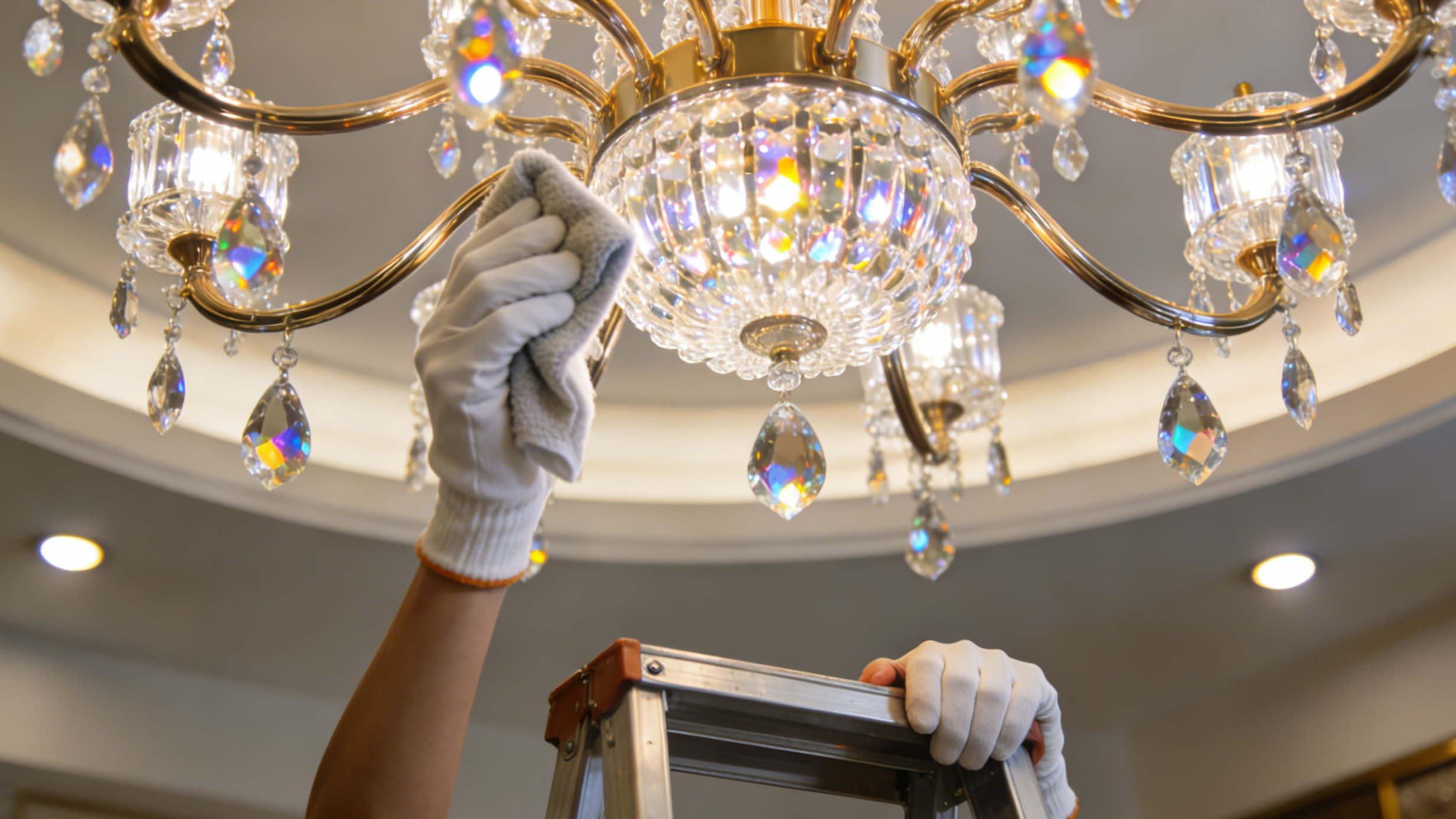
 If you want to maintain lighting fixtures effectively and save money, start with regular care. You can pay less for energy, make things safer, and help your lights last longer. Simple routines are important. For example, one big store saved 20% on energy by maintaining their fixtures. Fix problems before they start.
Key Takeaways
- Clean and check your lighting fixtures often to keep them bright and safe. Set reminders to look at them every few months.
- Fix problems early so you do not have to pay a lot for repairs. This also helps your lights work well. Find issues before they get worse.
- Pick the right fixtures and covers for each place. This protects them from water and dust. It helps your lights last longer.
Why Maintain Lighting Fixtures
Safety and Efficiency
You want your home or business to feel safe and bright. When you maintain lighting fixtures, you lower the risk of accidents and keep everything running smoothly. Think about these real-life problems:
- A tenant tripped in a dim hallway and got hurt. The building owner faced expensive legal fees.
- Cars in a dark parking lot became easy targets for break-ins.
- Old exit signs stopped working, and the property owner had to pay fines.
Regular care helps you avoid these headaches. You can catch electrical problems early and prevent fires. If you clean bulbs and covers, you keep spaces well-lit and welcoming. You also make sure your lights use less energy. When you replace bulbs and remove dust, you get steady light and save money on your power bill.
Tip: Set a reminder to check your lights every few months. You’ll spot issues before they become big problems.
Cost Savings
You probably want to save money, too. When you maintain lighting fixtures, you cut down on energy use-sometimes by up to 50%. You also spend less on repairs and replacements. Here’s a quick look at how different maintenance plans can affect your wallet:
| Maintenance Type | Annual Cost | 5-Year Cost | Savings Over 5 Years |
|---|---|---|---|
| Spot Relamping | $2,597 | $12,985 | N/A |
| Group Relamping | $1,600 | $8,000 | $4,985 |
If you choose group relamping, you save almost $5,000 over five years. That’s money you can use for other things. Regular inspections help you catch problems early, so you don’t have to buy new fixtures as often.
Cleaning Lighting Fixtures

Dust and Debris Removal
You probably notice dust and dirt building up on your lights. This buildup blocks light and makes rooms look dull. If you ignore it, you might use brighter bulbs or leave lights on longer, which raises your energy bill. Regular cleaning helps you maintain lighting fixtures and keeps your space bright.
- Dust, dirt, and grime can gather on bulbs, shades, and even inside fixtures.
- When dust piles up, light output drops and energy use goes up.
- Dirty fixtures can make rooms feel less inviting.
You should clean your lighting fixtures often. Here are some tips:
- Use a soft or lint-free cloth for dusting.
- Focus on heat sinks and ventilation openings.
- Clean every few months to keep lights working well.
Tip: Set a reminder on your phone to clean your fixtures. You’ll save money and enjoy better lighting.
Cleaning Bulbs and Covers
Cleaning bulbs and covers is easy if you follow a few steps. First, turn off the power and let bulbs cool. Use a microfiber cloth or feather duster to wipe away dust. For tough spots, a soft-bristled brush works well. If you can remove shades, wash them in warm, soapy water and dry with a lint-free cloth.
Here’s a quick guide:
| Fixture Type | Cleaning Method |
|---|---|
| Bulbs | Wipe gently with a dry, soft cloth |
| Glass Shades | Use a damp cloth or gentle glass cleaner |
| Fabric Shades | Vacuum gently or use a dry cleaning product |
| Metal Fixtures | Clean with damp cloth and mild soap solution |
Avoid harsh chemicals. They can damage finishes or cloud glass. For stubborn dirt, try a vinegar and water mix. When you maintain lighting fixtures, you get brighter rooms and lower energy costs.
Inspect and Handle Fixtures
Check for Wear and Damage
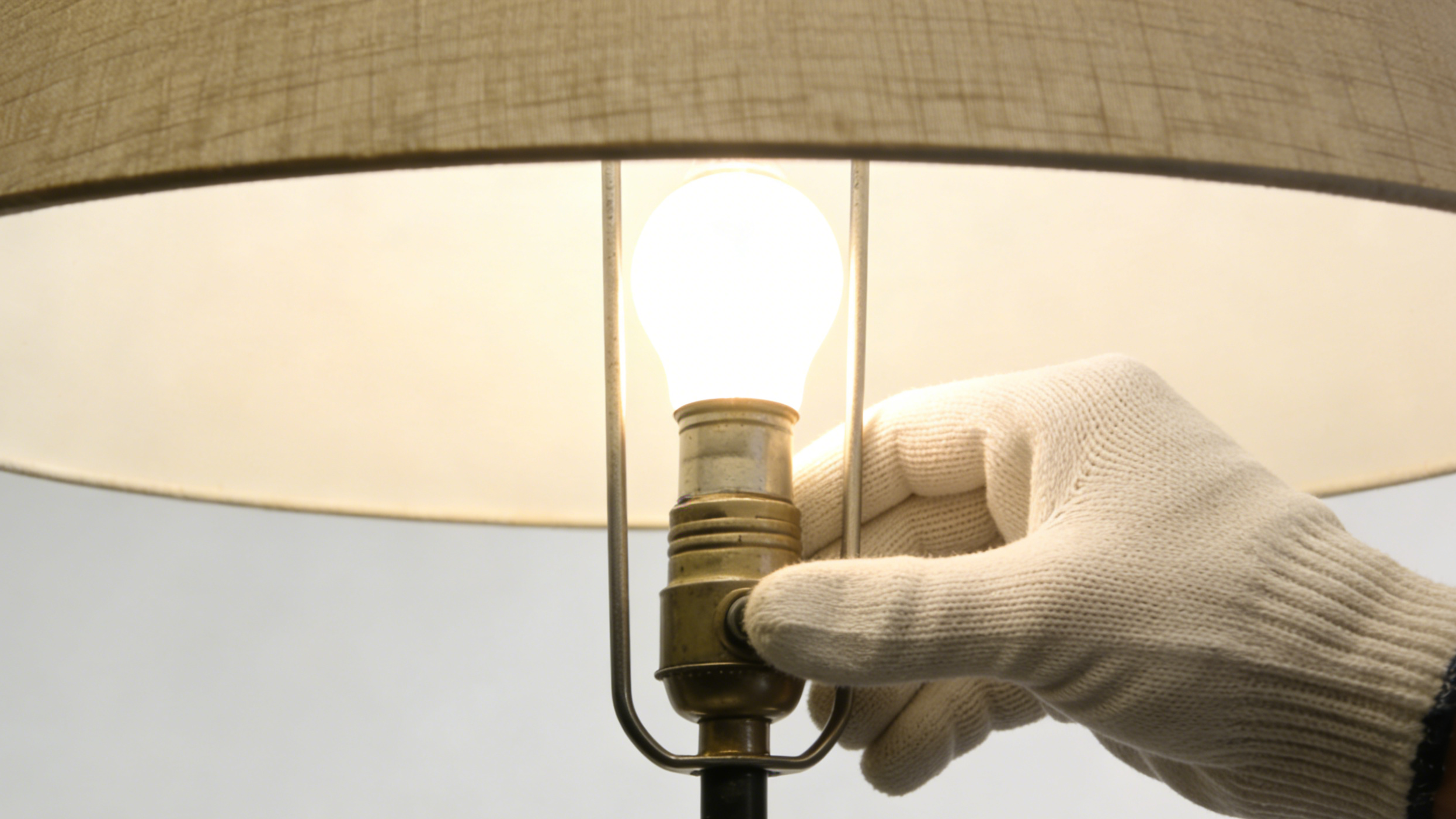
You want your lighting fixtures to work well every day. Regular inspections help you spot problems early. When you check your fixtures, look for these signs:
- Burned-out or flickering bulbs. These can make rooms look dim and may signal bigger issues.
- Weak or dead batteries in emergency lights. Old or corroded batteries can stop lights from working when you need them most.
- Faulty wiring or loose connections. Wires that look damaged or out of place can cause power problems or even fires.
- Blocked or obstructed signage. Make sure nothing covers your exit signs or safety lights.
- Abnormal noises. Listen for buzzing or clicking sounds. These noises can mean something is wrong inside the fixture.
- Dirty lenses or covers. Dust and dirt can block light and make spaces feel gloomy.
- Misaligned fixtures. Check that each fixture points in the right direction for the best coverage.
Tip: Use a flashlight and a small step stool for a closer look. You’ll catch small issues before they turn into big repairs.
Proper Handling Tips
You can prevent damage by handling fixtures with care. Here are some best practices:
- Read the manufacturer’s instructions before you start any work.
- Take your time. Rushing can lead to mistakes or broken parts.
- Make sure the area is safe and clear before you move or adjust a fixture.
- Follow local electrical codes for every installation or repair.
- Clean fixtures gently and regularly to keep them bright and efficient.
If you treat your lighting fixtures with care, you’ll help them last longer and work better every day.
Ensure Proper Installation
Secure Connections
You want your lights to turn on every time. Secure connections help keep fixtures safe. Always follow the manufacturer’s instructions. Use parts that fit together well. This stops overheating and damage. Good ventilation keeps your lights cool. Cool lights last longer.
If you skip proper installation, things can go wrong:
- Flickering lights make rooms feel strange.
- Bad wiring can start electrical fires.
- Too much power can break appliances.
Take your time when you install fixtures. Check wires and connections twice. If you are unsure, ask an expert for help. Doing things right protects your home and saves money.
Here are some common installation mistakes:
| Installation Error | Description |
|---|---|
| Incorrect Wiring | Bad wiring can cause shocks, short circuits, and fires. |
| Improper Fixture Placement | Poor placement means not enough light and a gloomy room. |
| Ignoring Load Limits | Too much power can trip breakers or start fires. |
Positioning Fixtures
Where you put your lights matters a lot. Good placement gives better light and uses fewer bulbs. It helps you avoid dark spots and makes rooms feel nice. Place lights near work areas or reading spots.
- Good placement spreads light everywhere.
- You need fewer lamps.
- Smart positioning makes your space look better.
Think about how you use each room. Put fixtures where they help most. You will see more comfort and save energy. If you set up lights well, they last longer and work better.
Maintain Stable Voltage
Use Surge Protectors
You want your lighting fixtures to last a long time. Surge protectors help keep them safe. They send extra energy away from your lights during voltage spikes. For example, lightning or sudden surges can happen. Surge protectors lower the voltage so your fixtures do not get hurt. This small device can save you money on repairs. Surge protectors do not stop every problem, but they help most of the time. You can put them at the main panel or near each fixture. Using surge protectors gives your lights a better chance to stay safe during power surges.
Tip: Surge protectors are simple to use and protect more than lights. You can use them for computers, TVs, and other electronics too.
Monitor Power Supply
Keeping voltage steady helps your lights work well. If the power is not steady, lights may flicker or change color. Sometimes, voltage drops are hard to see at first. These problems can show up later and be hard to fix.
- You might see lights get brighter or dimmer, especially with RGB light strips.
- Flickering happens when voltage is too low for the driver.
- High loads can make drivers hot and wear out faster.
- Voltage drops can cause expensive repairs and confusion about who is responsible.
You can use special tools to check your power supply:
- Power quality analyzers show changes in voltage and current.
- Smart meters watch power use and find problems.
- Data loggers keep track of power quality over time.
- Testing for electrical continuity checks if circuits work.
- Measuring voltage and resistance shows if bulbs and fixtures are healthy.
If you check your power supply, you can find problems early. This helps your lighting fixtures last longer and saves you from surprise costs.
Dimming and Controls
Correct Dimming Techniques
You might want to change the brightness in your room. Dimming helps you set the mood and save energy. Not every light works with every dimmer, though. You need to pick the right technique for your fixture. Here’s a quick guide to help you choose:
| Dimming Technique | Description | Applications |
|---|---|---|
| Phase Dimming | Used in homes; includes leading edge and trailing edge types. | Residential and some commercial settings. |
| 1-10V Dimming | Gives smooth dimming; needs a separate control cable. | Common in commercial settings. |
| 0-10V Dimming | Controls brightness down to off; matches with dimmers/drivers. | Great for LED lights. |
| DALI Dimming | Computer-controlled; lets you control each fixture. | Large commercial setups. |
If you use the wrong dimmer, your lights might flicker or buzz. Always check the label on your fixture and dimmer. You can ask a lighting expert if you feel unsure. Good dimming makes your lights last longer and keeps your space comfortable.
Tip: Try dimming your lights in the evening. You’ll see how it changes the feel of your room.
Prevent Overloading
You want your lighting system to work safely. Overloading can cause lights to fail or even start a fire. Here are some easy ways to prevent problems:
- Check your circuit loads. Make sure you don’t go over the panel’s capacity.
- Move devices from busy circuits to others. This balances the load.
- Upgrade your circuits or panels if the total load gets close to 80% of the panel’s limit.
If you keep your circuits balanced, your lights will work better and last longer. You’ll also avoid costly repairs and keep your home safe.
Protect from Moisture and Dust
Moisture and dust can ruin your lighting fixtures faster than you think. You want your lights to shine bright and last longer, so you need to keep them safe from water and dirt. Let’s look at some simple ways to protect your fixtures.
Use Covers
Covers act like raincoats for your lights. They keep out water, dust, and even bugs. If you use the right cover, you help your fixtures work better and last longer. Here’s a quick guide to some of the best covers you can use:
| Type of Cover | Description |
|---|---|
| GFCI Weatherproof Outlets | Protects against ground faults in wet spots with a weather-resistant enclosure. |
| Standard Weatherproof Boxes | Seals out rain and moisture, perfect for mounting outdoor lights. |
| In-use Weatherproof Covers | Lets you plug things in and still keeps out rain and dust. |
Tip: Always check that your cover fits your fixture. A loose cover lets in water and dust.
Choose Suitable Locations
Where you put your lights matters just as much as how you protect them. Some places get wet or dusty more often. You want to pick the right fixture for each spot. Here’s a table to help you decide:
| Fixture Type | Description | Suitable Locations |
|---|---|---|
| Damp-rated | Handles humidity and indirect water contact. | Bathrooms, kitchens, locker rooms, covered patios, and food facilities. |
| Wet-rated | Built for direct water contact with watertight seals. | Outdoor areas, parking lots, pools, and car washes. |
You can also think about these two types of locations:
- Damp Location: Covered outdoor spaces or rooms with lots of steam.
- Wet Location: Places where water can drip or splash right onto the fixture.
Pick the right spot and the right fixture, and you’ll keep your lights working well for years.
Heat Dissipation
Prevent Overheating
You want your lighting fixtures to last long. Heat can hurt your lights, especially LEDs. If fixtures get too hot, they lose brightness. Sometimes, the color changes. They might stop working early. Even a small rise in temperature can cause problems. If it goes up by 10°C, LED lights may last half as long. Look at this table to see what heat does:
| Problem from Heat | What Happens |
|---|---|
| Rapid lumen loss | Lights get dimmer faster |
| Color shifts | Light changes color unexpectedly |
| Early failure | Fixtures stop working sooner |
You can stop overheating by doing smart things:
- Use LED bulbs with fans or heat sinks.
- Follow the manufacturer’s wattage advice.
- Do not plug too many high-watt bulbs into one circuit.
- Check wiring often to find problems early.
- Put in dimmer switches to lower heat.
- Keep outdoor fixtures safe from rust and damage.
Tip: Always look at the place where you put your lights. If it is too hot, your fixtures will not last.
Improve Airflow
Good airflow keeps your lights cool. You can help heat leave by picking metal fixtures. Aluminum works better than plastic for heat. Designs with fins or holes let air move around. This helps carry heat away. Put lights in places with good air flow, not closed boxes.
Here are ways to help airflow:
- Use heat sinks and make sure they touch the LED.
- Keep the LED driver away from heat.
- Add small fans or use cooling methods that do not need power.
- Space out fixtures so air can move between them.
If you keep air moving, your lights shine brighter and last longer.
Maintenance Plan for Lighting Fixtures
Schedule Inspections
You want your lights to work all the time. Making a regular inspection plan helps you find problems early. Check emergency lights every month. This keeps safety lights bright when you need them. The National Fire Protection Association says to test emergency lights monthly. For other lights, check them once a year. Planning ahead stops surprises and keeps your space nice.
Tip: Put inspection dates in your calendar or phone. This way, you will remember to check your fixtures.
Here is how often you should inspect:
| Type of Fixture | Inspection Frequency |
|---|---|
| Emergency Lighting | Monthly |
| General Lighting | Annually |
Routine Cleaning
Routine cleaning helps your lighting fixtures last longer. It also keeps rooms bright. You can break cleaning into daily, weekly, monthly, and yearly jobs. Each day, look for flickering bulbs and clean glass on busy fixtures. Each week, dust all lights and clean lampshades. Every month, deep clean glass fixtures, tighten connections, and change burned-out bulbs. Once a year, get a professional to check your electrical system and upgrade bulbs if needed.
Here is a simple checklist:
- Daily: Look for dim or flickering lights, clean glass surfaces.
- Weekly: Dust fixtures, clean lampshades, test switches.
- Monthly: Deep clean, check connections, replace bulbs, test emergency systems.
- Quarterly: Inspect outdoor fixtures, clean high fixtures, update your log.
- Annually: Professional inspection, upgrade bulbs, review warranties.
If you follow this plan, your lights will last longer. They will work better. You will save money and have a safer home.
Outdoor Lighting Adjustments
Positioning for Effectiveness
You want your outdoor lights to work their best. Start by checking where you place each fixture. If you put lights in the right spot, you get brighter walkways and safer yards. Here are some steps you can follow:
- Trim Plants and Branches: Cut back bushes and tree limbs near your lights. This keeps the light clear and stops shadows from forming.
- Adjust the Light Fixtures: Make sure each fixture points where you need light. If a fixture moves, fix it so it shines in the right direction.
- Replace Burned-Out Bulbs: Change bulbs as soon as they stop working. This keeps your outdoor area bright and safe.
- Clean Outdoor Lighting Fixtures: Wipe off dirt and debris. Clean fixtures give you more light and look better.
- Check Timers and Controls: Test timers and sensors often. You want your lights to turn on and off when you need them.
- Inspect Wiring: Look at wires for damage. Secure connections help prevent safety problems.
Tip: Walk around your yard at night. You will see where you need more light or where shadows hide steps.
Weather Protection
Outdoor lights face rain, wind, and dust. You can protect your fixtures and help them last longer. Try these ideas:
- Proper Installation: Mount lights tightly so they do not shake or break in bad weather.
- Cover As Much as Possible: Put lights under awnings or eaves. This keeps rain away.
- Raise and Angle Your Fixtures: Place lights on higher surfaces. Angle them so water runs off.
- Seal All Connections: Use waterproof connectors and sealants. This stops water from getting inside.
- Plug Fixtures into GFCI Outlets: These outlets shut off power if water gets in, keeping you safe.
- Choose Solar Lighting: Solar lights do not need wires. They work well in wet areas and lower the risk of water damage.
Note: Check for water damage after storms. Fix problems early to keep your lights working.
Benefits of Maintaining Lighting Fixtures
Longer Lifespan
Taking care of lighting fixtures helps them last longer. Dust and dirt can pile up on lampshades and shiny surfaces. This makes lights work harder and get hotter. Cleaning lamps twice a year stops dust from causing heat problems. It also keeps the cooling system and wiring working well. If you clean and check your fixtures often, they stay bright and strong for many years.
- Cleaning lampshades and shiny surfaces makes lights brighter.
- Stopping dust buildup helps heat leave the fixture.
- Checking cooling and wiring helps fixtures last longer.
Better Performance
You want your lights to work their best. Cleaning bulbs and covers gives even lighting. Rooms look brighter and more friendly. If you let dust build up, lights might flicker or get dim. Taking care of lights keeps them steady and saves energy. You also avoid problems like buzzing or weird colors.
Tip: Clean your fixtures often. You will see your space look and feel much better.
| Maintenance Task | Performance Benefit |
|---|---|
| Cleaning lampshades | Brighter, even lighting |
| Checking wiring | Fewer flickers and outages |
| Inspecting cooling | Stable color and brightness |
Enhanced Safety
Safety is important every day. Keeping fixtures clean and checking them often lowers fire and electrical risks. Dust can make fixtures too hot, which can be dangerous. Looking at wiring and cooling systems helps you find problems early. You also make sure emergency lights work when you need them.
- Cleaning often stops overheating.
- Inspections help you find bad wires.
- Good care keeps your home or business safe.
Remember: A little care helps a lot. You protect your family, guests, and property by maintaining lighting fixtures.
- Clean and inspect your lights often.
- Fix problems early.
- Set reminders for routine care.
When you maintain lighting fixtures, you save money, boost safety, and enjoy brighter spaces. Start your simple routine today. Your lights will thank you!
FAQ
How often should you clean your lighting fixtures?
You should clean your fixtures every few months. Dust and dirt build up fast. Regular cleaning keeps your lights bright and safe.
What tools do you need for basic lighting maintenance?
You need a soft cloth, a small brush, and a step stool. Use a flashlight for inspections. Avoid harsh chemicals.
Can you use any bulb in your fixture?
| Bulb Type | Fixture Compatibility |
|---|---|
| LED | Most modern fixtures |
| Incandescent | Older fixtures |
| CFL | Check fixture label |
Always check the fixture label before you buy bulbs.