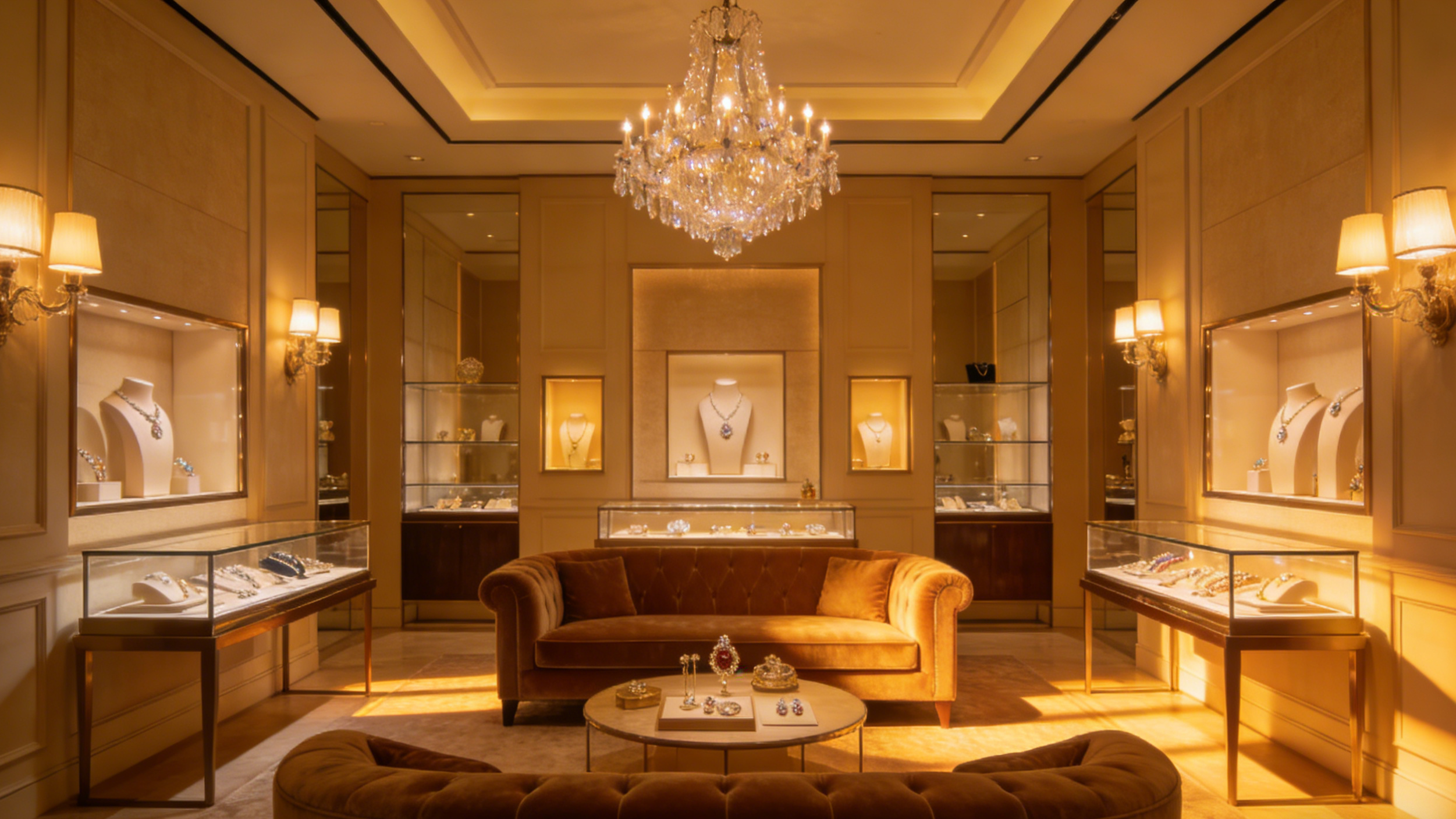
 Lighting that tells a story can change how people feel in your store. You set the mood as soon as someone walks in.
- Warm light makes shoppers relaxed and stay longer.
- Cool light gets people moving and helps them decide faster. What story does your lighting share with your customers?
Key Takeaways
- Use warm lighting to make the store feel cozy. This helps shoppers relax and stay longer.
- Add layered lighting to make shopping better. It helps guide customers as they walk through your store.
- Change lighting color temperatures to fit your brand. Warm lights make people feel comfortable. Cool lights give a modern look.
Lighting that tells a story in retail
Why storytelling matters for retailers
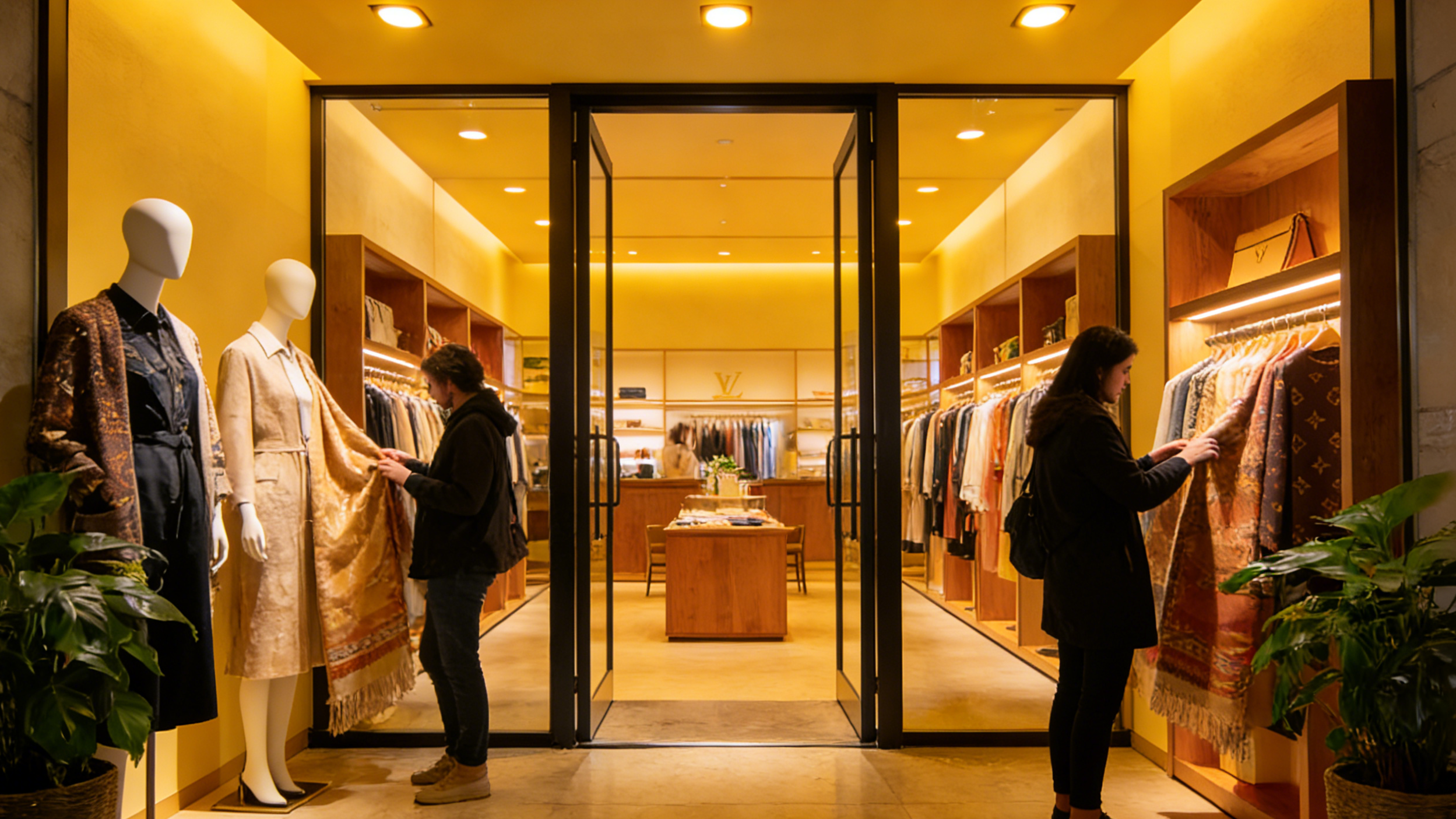
You want your store to be different from others. Lighting that tells a story can help you do this. When you use light to tell a story, you change how people think about your brand. You can make your store feel cozy and friendly or cool and new. Lighting helps set how people feel. For example, luxury brands use soft, warm lighting to make things feel close and special. Tech stores use bright, cool lights to show they are modern.
Tip: Use the same lighting style all over your store. This helps customers remember your brand and feel good every time they come in.
Lighting that tells a story also helps people feel connected. When shoppers feel something in your store, they remember it. This feeling can make a new shopper want to come back again and again.
| Principle | Description |
|---|---|
| Emotional Connection | Stories make your brand feel real and help customers connect to your values and mission. |
| Enhanced Engagement | Storytelling with light keeps shoppers interested and makes them want to look around more. |
| Knowledge Retention | Strong feelings help people remember your brand better. |
How lighting shapes customer perception
Lighting does more than just make a room bright. It changes how people see your products and your store. Good lighting makes products look nicer and even more expensive. Shoppers often think products and service are better when the lighting feels right.
- Bright lighting gets people’s attention and makes products look bigger and more exciting.
- Accent lighting shines on special items and shows shoppers what you want them to see.
- Warm or cool colors change the mood, making your store feel calm or full of energy.
Most of what people notice in a store comes from what they see. Lighting that tells a story helps you guide their eyes and shape what they feel from the moment they walk in.
Story-driven lighting principles
Layering light for depth
You can make your store look bigger by using layers of light. This means you use more than one kind of lighting at the same time. First, use ambient lighting to light up the whole store. Then, add accent lights to show off special products. Use task lighting for places like the checkout or fitting rooms.
- Layered lighting helps you set the mood and share your store’s story.
- You can change the lights during the day or for events.
- It helps shoppers find new areas and makes them want to look around.
- Products stand out and look nicer with the right mix of lights.
Tip: Try using track lights or recessed lights that you can move. You can point them at new displays or change the mood for a sale.
Here is how you can layer light in your store:
- Use ambient, accent, and task lighting together for a better shopping trip.
- Use bright lights for the whole store, but add focused lights to lead shoppers.
- Pick lights that match your store’s look.
- Aim lights carefully so you do not get glare or reflections.
Stores like H&M use special lighting to make their products stand out. They changed their lights to save energy and make clothes look better. Shoppers saw the change right away.
Accent lighting for focus
Accent lighting helps you show off what is most important. You can use spotlights on mannequins or new things in the store. In jewelry stores, bright beams make gems shine and catch people’s eyes.
- Accent lighting is great for window displays and sales.
- It adds excitement and makes your store feel fun.
- You can use it to show off textures, colors, or your brand logo.
Accent lighting is important for showing off special products, displays, or cool parts of your store. Spotlights, track, and LED strip lights help people notice best-sellers, new things, or sale items.
Try these ideas:
- Use spotlights for expensive things like jewelry or designer bags.
- Wall-washer lights can make your signs or pictures stand out.
- Put accent lights in cozy corners to invite shoppers in.
When you use accent lighting with ambient light, your store feels nice and special. Lighting that tells a story helps shoppers know where to look and what to check out.
Color temperature and mood
The color of your lights changes how people feel in your store. Warm lights (yellowish) make your store feel cozy and friendly. Cool lights (bluish) make your store feel modern and fresh.
| Color Temperature | Effect on Mood and Perception |
|---|---|
| Warm | Makes your store feel cozy and helps people connect with products. |
| Cool | Makes your store look modern and clean, which many shoppers like. |
You should pick the right color temperature for your brand. Most stores do well with lights between 2700K and 4000K. Make sure your lights have a high Color Rendering Index (CRI) of 90+ so products look the right color.
| Aspect | Description |
|---|---|
| Product Perception | Warm lighting makes things look fancy and makes people want to check them out. |
| Emotional Connection | Warm lights make the store feel cozy and help people feel close to products. |
| Customer Loyalty | Good lighting with the right color makes people want to come back and shop again. |
You can use warmer lights in lounge spots or fitting rooms. Try cooler lights in tech or sports areas. Mixing different colors of light in each part of your store helps you tell your brand’s story and shape how shoppers feel.
Emotional impact with lighting
Creating a welcoming atmosphere
You want shoppers to feel good as soon as they walk in. The right lighting can make your store feel warm and friendly. Use a mix of ambient, task, and accent lighting to set the tone. Here’s a quick guide:
| Lighting Type | Description |
|---|---|
| Ambient Lighting | Lights up the whole space and sets the mood. |
| Task Lighting | Helps with things like reading price tags or checking out. |
| Accent Lighting | Draws eyes to special products or displays. |
| Color Temperature | Warm white (2700K-3000K) feels cozy. Neutral white (3500K-4000K) works for a modern look. |
| Dynamic Lighting | Changes brightness during the day to match natural light. |
Layered lighting creates depth and keeps things interesting. Avoid harsh or dim lights. You want comfort and positivity, not discomfort.
Using light and shadow for emotion
Light and shadow work together to shape how people feel. Soft, warm lighting helps shoppers relax. Bright, cool lighting wakes them up and makes them alert. You can use shadows to add drama or make a space feel cozy.
Without light, shadow would not exist. They are inseparable-a natural pair where one gives meaning to the other. If light tells us what to see, shadow tells us how to feel.
Lighting that tells a story can spark feelings of calm, energy, or even creativity.
Sensory brand experiences
You can use lighting to create a full sensory experience. Try bright spotlights for new arrivals or soft, ambient light for a cozy vibe. Layered lighting helps balance brightness and highlights key products. Adjust color temperature to match your brand’s style. Warm tones like red and orange bring excitement. Cool tones like blue and green help people feel calm. Localized warm lighting adds comfort and intimacy. When you use these ideas, you connect shoppers to your brand in a way they remember.
Guiding customer movement
Directing flow with lighting
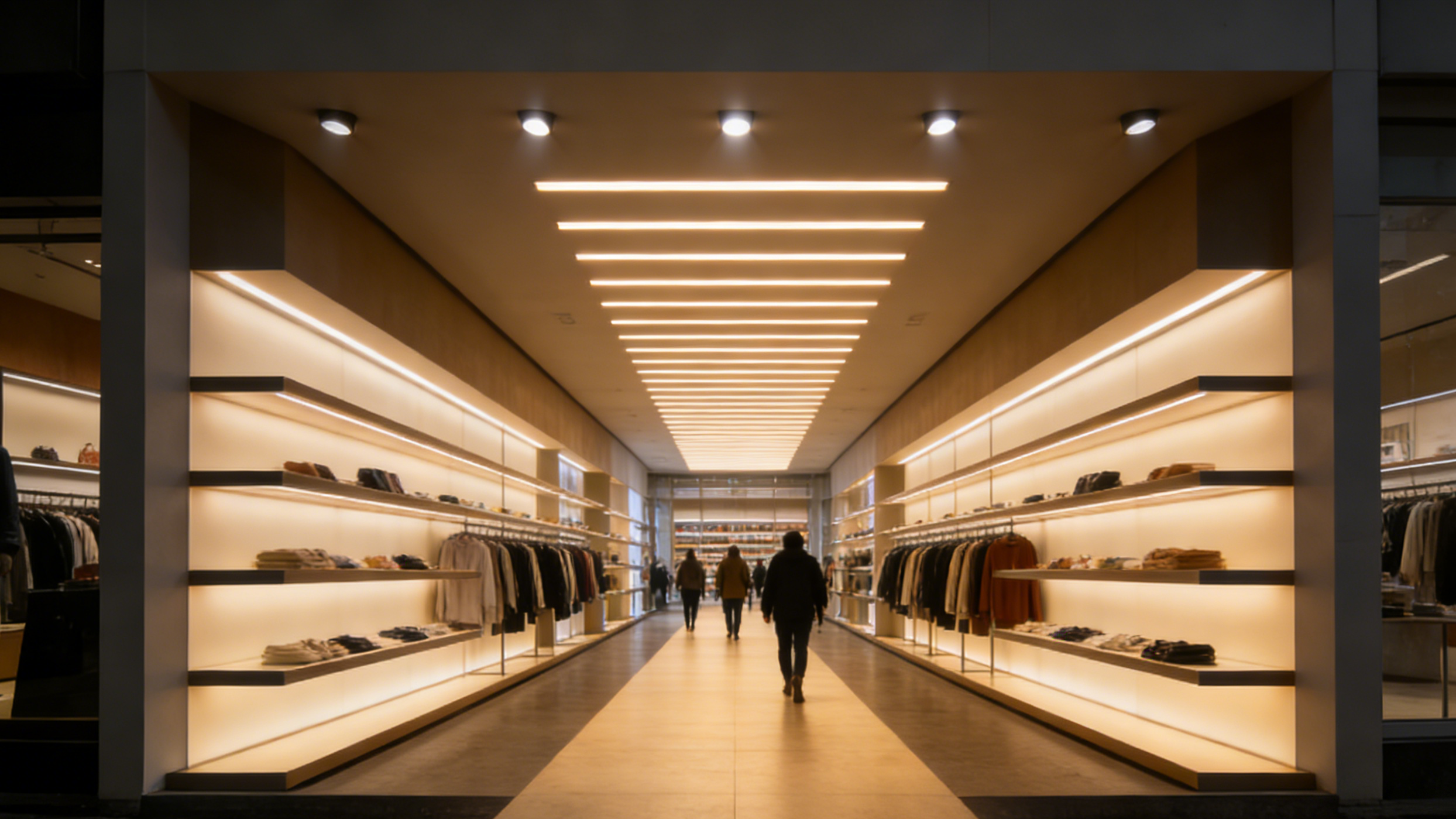
Lighting can help guide shoppers through your store. You do not need to use words. Bright lights at the entrance make people feel welcome and safe. When shoppers walk in, you can use different lights to show them where to go next. Accent lighting works like a sign. It draws eyes to special displays or new things. Spotlights can make a path for customers to follow. Backlighting adds drama and makes fancy displays stand out.
- Ambient lighting makes the whole store feel nice. People want to stay longer.
- Accent lighting shines on products you want to show off.
- Contrast lighting gives the store depth and keeps it fun.
Encouraging exploration
Do you want shoppers to see every part of your store? Use lighting to make them curious. Cooler and brighter lights give people energy. They make shoppers want to move around. Warm and soft lights in cozy spots make people slow down and look around. If you light up new areas, shoppers will want to explore.
| Lighting Type | Effect on Exploration |
|---|---|
| Accent Lighting | Makes people notice new or sale displays |
| Bright Lighting | Gets shoppers to check out more places |
| Dim Lighting | Makes browsing calm and relaxed |
| Cooler Lighting | Gives energy and gets people moving |
| Warm Lighting | Feels homey and keeps shoppers comfortable |
A store with good lighting keeps people inside longer. This helps them find things they like.
Lighting for promotions and displays
Lighting can make a sale or new item feel special. Use spotlights or bright lights to show off deals and new things. Shoppers see these spots first and get excited to look. In grocery stores, bright lights in the produce area make fruits and veggies look fresh. Warm lights in the bakery make it feel cozy. When you use the right lighting for sales, you help shoppers find deals and want to buy.
Tip: Change your lighting for events or sales to keep your store fun and new.
Measuring and adjusting lighting strategies
Gathering feedback
You want your store to feel just right for your customers. Ask them what they think about your lighting. You can use quick surveys at checkout or ask for comments online. Listen to what shoppers say about brightness, color, and comfort. Sometimes, people mention if a space feels too dark or too harsh. You can also watch how customers move through your store. If they avoid certain areas, lighting might be the reason.
Tip: Try changing the lighting in one part of your store and see how people react. Small changes can make a big difference.
Monitoring sales and dwell time
You can measure how lighting affects sales and how long shoppers stay. Compare sales numbers before and after you change the lights. Watch if people spend more time in areas with new lighting. If sales go up or shoppers linger longer, your lighting is working. Smart lighting systems help you track these changes and save energy by dimming lights when not needed.
Here are some key metrics you can use:
| Metric | Description |
|---|---|
| Luminous Efficacy | Shows how well your lights turn power into brightness. |
| Color Rendering Index (CRI) | Tells you how true colors look under your lights. |
| Correlated Color Temperature (CCT) | Sets the mood and feel of your store. |
| Unified Glare Rating (UGR) | Measures how comfortable your lighting feels to the eyes. |
| Daylight Harvesting Potential | Checks how much you can use natural light to save energy. |
Seasonal lighting updates
You can keep your store fresh by changing lighting for each season. Use brighter lights in spring and summer to match the sunny days. Try warmer tones in fall and winter for a cozy feel. Adjust lighting for special displays or holiday sales. Smart lighting lets you change brightness and color with just a few clicks. You create a dynamic space that feels new every time customers visit.
Note: Updating your lighting with the seasons helps your store stay inviting and keeps shoppers coming back.
Lighting tells your store’s story every day. You can shape how shoppers feel and move. Try new ideas and see what works. Keep adjusting your lights as your brand grows.
Ready to reimagine your lighting? Start today and watch your store come alive!
FAQ
How often should you update your store’s lighting?
You should check your lighting every season. Try small changes for holidays or sales. Fresh lighting keeps your store exciting and helps you stand out.
What type of lighting saves the most energy?
LED lights save the most energy. They last longer and use less power. You can also dim them or set timers to save even more.
Can lighting really change how customers feel?
Yes! Lighting sets the mood right away. Warm lights make people relax. Bright lights give energy. The right lighting helps shoppers enjoy their visit.