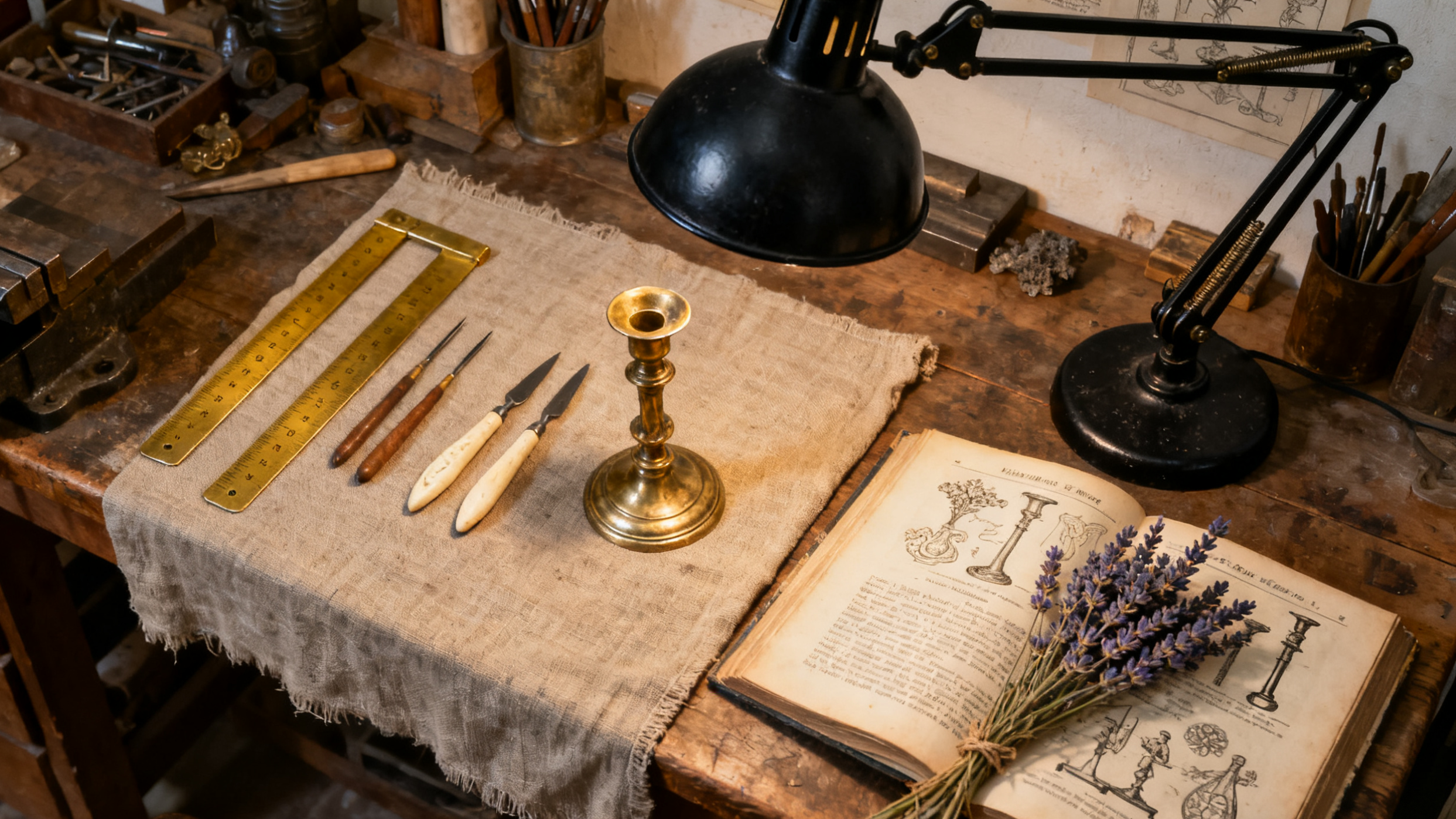
Bayangkan Anda masuk ke sebuah apartemen di Paris dan melihat bangku kayu aneh yang diukir tangan di dekat jendela. Anda hampir bisa merasakan ceritanya. Pilihan Desainer Eropa dekorasi buatan tangan karena memberikan karakter dan kehangatan nyata pada sebuah ruangan. Orang-orang di seluruh Eropa kini menginginkan barang-barang pribadi dan istimewa yang menunjukkan keahlian dan kejujuran nyata. Sentuhan buatan tangan ini tidak hanya memenuhi ruangan. Mereka membuat Anda merasakan sesuatu, menambah pesona yang menyenangkan, dan menghubungkan Anda dengan budaya dengan cara yang tidak pernah bisa dilakukan oleh produk yang diproduksi secara massal.
Kunci takeaways
Dekorasi buatan tangan memberikan sentuhan khusus pada rumah Anda. Itu membuat ruangan Anda terasa hangat dan berbeda dari yang lain. Barang-barang ini membantu rumah Anda terasa lebih pribadi. Carilah pekerjaan bagus dalam barang-barang buatan tangan. Periksa detail kecil dan bahan kuat. Ini membantu Anda memahami mengapa mereka istimewa. Memilih barang buatan tangan membantu pembuat lokal. Hal ini juga membuat kerajinan kuno tetap hidup dan membantu masyarakat. Anda dapat memadukan dekorasi buatan tangan dengan furnitur baru. Ini membuat ruangan Anda menyenangkan dan menunjukkan gaya Anda. Pelajari tentang kisah di balik barang-barang buatan tangan. Mereka membantu Anda merasa dekat dengan budaya dan sejarah. Ini membuat rumah Anda menjadi tempat tinggal yang lebih kaya.
Kualitas Unik
Keahlian
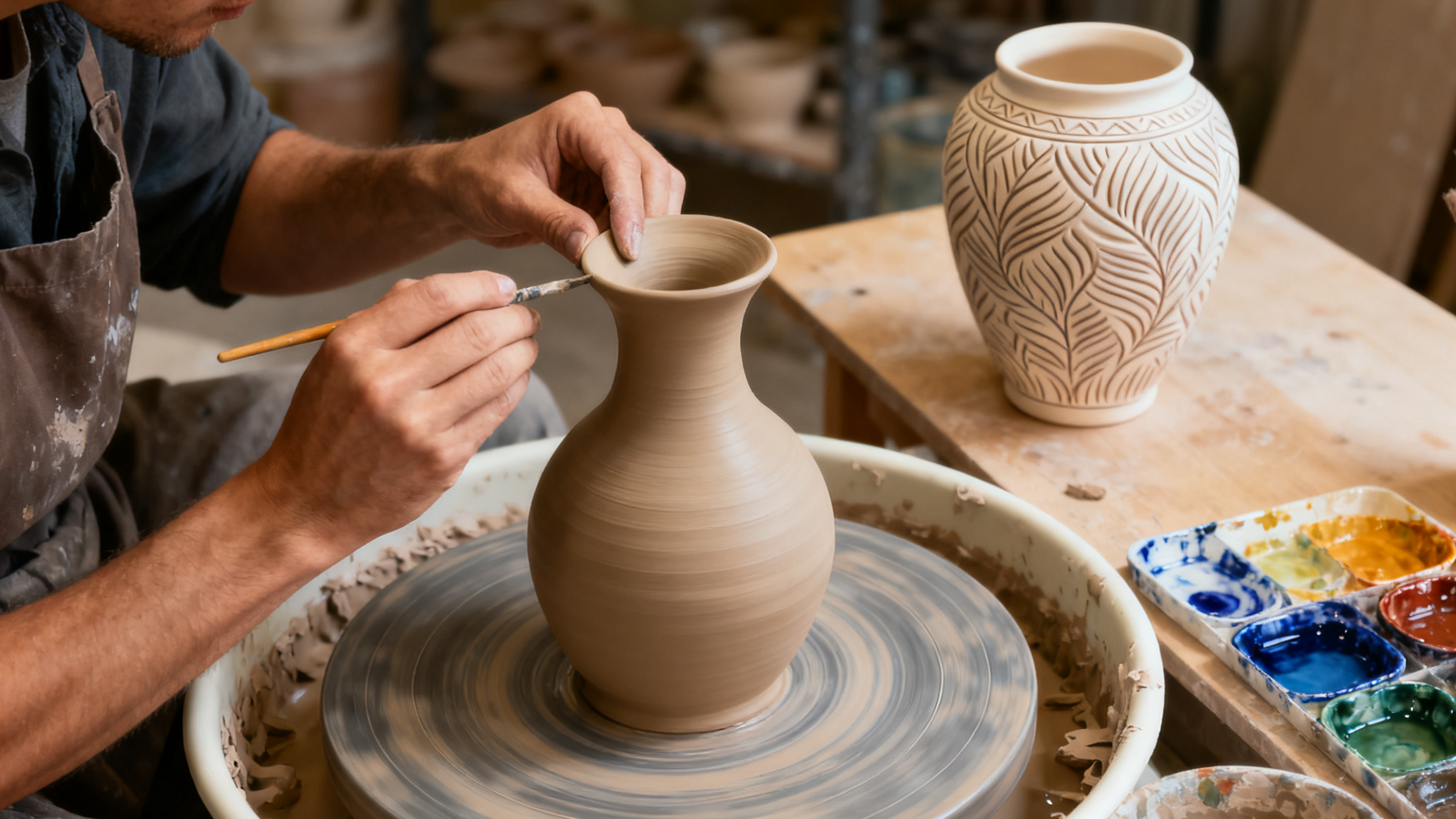
Anda dapat mengetahui bahwa sesuatu itu buatan tangan saat Anda masuk ke sebuah ruangan. Desainer Eropa menyukai barang yang menunjukkan kepiawaian pembuatnya. Mereka ingin melihat pekerjaan yang cermat dan detail kecil. Barang-barang buatan tangan lebih dari sekedar bagus untuk dilihat. Masing-masing punya ceritanya sendiri.
Ukiran tangan memungkinkan kayu memiliki desain khusus. Anda dapat melihat kepedulian di setiap lini.
Pekerjaan tatahan menggunakan bahan yang berbeda untuk membuat pola yang keren. Pola-pola ini membuat furnitur menonjol.
Bengkel tukang kayu, seperti tanggam-dan-duri atau pas, menyatukan segala sesuatunya tanpa paku. Hal ini membuat furnitur kuat dan cantik.
Anda mungkin melihatnya perubahan kecil dalam warna atau bentuk. Hal-hal kecil ini berarti seseorang membuatnya dengan tangan. Desainer Eropa menyukai detail ini karena membuat setiap item menjadi unik.
Memilih buatan tangan berarti Anda mendapatkan sesuatu yang memiliki cerita. Ini menunjukkan keindahan bahan dan ketelitian dalam pembuatannya.
Keaslian
Dekorasi buatan tangan membuat ruangan Anda terasa nyata. Perbedaannya bisa Anda rasakan saat menyentuh bangku kayu atau vas keramik. Seseorang membentuknya dengan tangan. Desainer Eropa menggunakan barang antik atau bahan lama untuk memberikan tampilan klasik pada ruangan. Barang-barang ini menghubungkan Anda dengan masa lalu dan budaya lokal.
Dekorasi buatan tangan, seperti barang antik dan kayu tua, membantu ruangan Anda terasa seperti selalu ada.
Gaya Country French istimewa karena menggunakan bahan asli dan desain yang jujur.
Potongan bagus yang terbuat dari kayu atau tanah liat menambah semangat abadi pada rumah Anda.
Saat Anda memilih buatan tangan, Anda membawa sejarah dan karakter ke dalam hidup Anda. Anda dapat melihat dan merasakan perbedaannya setiap hari.
Eksklusivitas
Anda ingin rumah Anda berbeda dari yang lain. Itulah sebabnya Desainer Eropa mencari barang buatan tangan yang istimewa. Barang-barang ini berasal dari toko kecil atau seniman lokal. Anda tidak dapat menemukannya di toko-toko besar.
Vas keramik dengan bentuk dan warna sederhana menonjol. Beberapa memiliki glasir lembut atau pola halus.
Keramik dengan tekstur kasar dan glasir berlapis tampak baru setiap kali Anda melihatnya.
Lampu abad ke-20, seperti lampu berdiri atau meja, menambah sejarah dan gaya.
Keramik buatan tangan, seperti kaca tetes atau karya Prancis dari awal tahun 1900-an, adalah favorit.
Beberapa desainer mencari keramik dari studio khusus di selatan Perancis.
When you fill your space with these rare finds, your home feels special. You get to enjoy things no one else has. That makes your space truly yours.
Cultural Roots
European Traditions
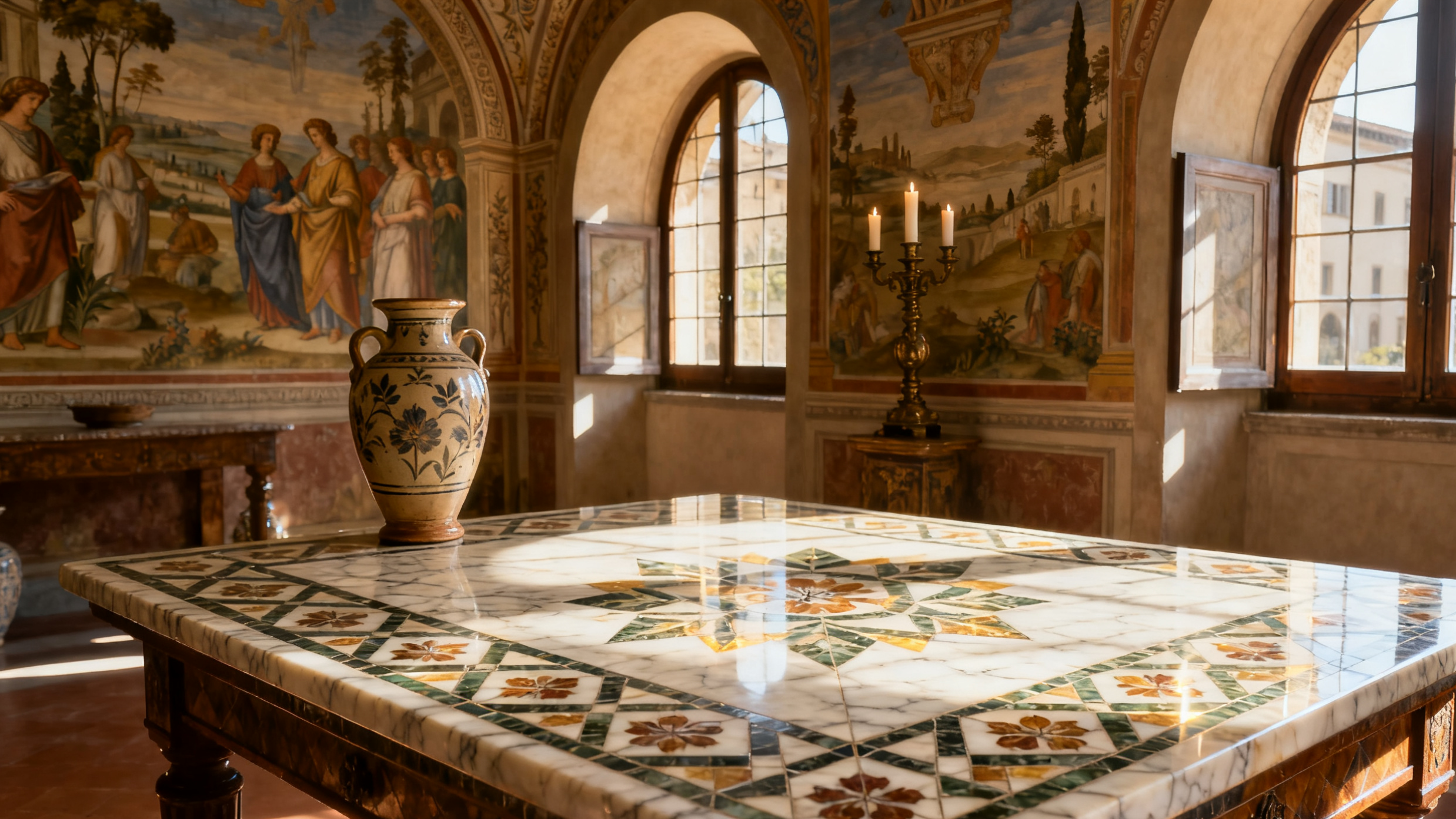
Handmade decor in Europe has a long history. If you visit a home in Florence, you might see a table with bright stone inlays. This style started at the Opificio delle Pietre Dure in 1588. In France, André-Charles Boulle made fancy furniture for Versailles using inlay work. Long ago, people hung tapestries on walls to keep rooms warm and pretty. Over the years, styles like Renaissance, Baroque, and Gothic changed how homes looked. In the 18th century, people wanted homes to feel cozy. They cared more about comfort and good craftsmanship.
Bukti | Keterangan |
|---|---|
Opificio delle Pietre Dure | Florence’s famous workshop for stone inlay, started in 1588. |
André-Charles Boulle | French cabinetmaker known for his detailed inlay furniture at Versailles. |
Wall Hangings | Medieval tapestries that added warmth and style to homes. |
Arts and Crafts Influence
Itu Arts and Crafts Movement made people think differently about decor. Its ideas spread to homes all over Europe. Designers liked items that showed skill and used natural materials. Handmade things became popular again. The movement led to hand-printed wallpapers, illustrated books, and textiles. William Morris’s Green Dining Room from 1867 is a good example. Every part, from the wallpaper to the furniture, shows the artist’s work.
The Green Dining Room by William Morris (1867) is a famous Arts and Crafts room. Nature-inspired patterns and careful work fill the space. Art becomes part of daily life.
Local Heritage
Local traditions help shape decor in European homes. In Romania, designers use old carpentry skills and local wood. Carel Woodworks mixes new tools with classic ways. Mozea uses natural materials from Transylvania. All over Europe, you find handmade items with stories.
Tradition | Keterangan |
|---|---|
Knitted socks from Turkey | Handmade socks with patterns that mean something special. |
Pirot kilim | Serbian rugs with unique designs and history. |
Broderie anglaise | English needlework with eyelet patterns, loved since the 1800s. |
Croatian Lacemaking | Intricate lace from Croatia, a tradition since the Renaissance. |
European Designers love these traditions. They choose handmade decor because it connects you to history, local culture, and skills passed down over time.
European Designers’ Perspective
Creative Expression
When you look at a room by European Designers, you see creativity everywhere. They like to mix old things with new ones. Sometimes they use bold items, and sometimes simple ones. They also mix serious and playful styles. Handmade decor lets you show your own style. You might see a lamp that looks like a piece of art. Maybe there is a vase with a wild shape. Or a chair made from different materials. These choices help you tell your story at home.
Here’s a quick look at how designers use handmade decor for creative expression:
Kecenderungan | Keterangan |
|---|---|
Keahlian Artisanal | Handcrafted items with unique, bespoke qualities and traditional techniques. |
Sculptural Forms | Decorative pieces that double as art, like abstract sculptures or bold lights. |
Bahan Campuran | Combining glass, metal, wood, and ceramics for cool textures and contrasts. |
Earthy and Natural Tones | Colors inspired by nature, like terracotta or moss green. |
Sustainable Design | Using eco-friendly materials and recycled parts. |
Vintage and Retro Revival | Nostalgic designs with a modern twist. |
These trends help you make your space feel special and new. European Designers often use handmade items to share stories from their culture. For example, a handwoven pillow might have patterns that mean growth or nature. These details make your home feel alive and full of meaning.
Tip: Try adding one handmade piece that you really like. It could be a bold sculpture or a simple mug. Let your space show who you are.
Playfulness in Decor
Handmade decor can make a room feel fun and surprising. European Designers know that playful things make a space feel friendly. They pick items that are quirky or unexpected. You might see a vase shaped like a body or bright, happy ornaments. These pieces break the rules and add personality.
Here are some playful handmade decor elements used by leading designers:
Designer | Decor Element Description | Material Used |
|---|---|---|
Niko June | Eros Torso vases, quirky and playful homeware | Upcycled plastic |
Broste Copenhagen | Handmade ornaments, colorful and unique | Upcycled cotton fabric waste |
You can use playful decor to show your sense of humor. It can also make guests feel welcome. A lamp with a funny shape or a rug with a bold pattern can make a plain room happy. Handmade items have always helped people make spaces feel special and joyful. They show who you are and make your home stand out.
Add a playful vase to your shelf.
Choose a handmade ornament for your coffee table.
Pick a rug with a fun pattern.
These small touches can change your room a lot.
Aesthetic Choices
Picking handmade decor means you choose how your home looks and feels. European Designers care about every detail. They want each piece to fit the room’s story. Some like old styles, like Victorian shapes or classic woodwork. Others want furniture that is simple and useful.
Here’s how designers think about aesthetics:
Aesthetic Principle | Keterangan |
|---|---|
Historical Charm | Classic design features that remind you of the past. |
Fungsionalitas | Simple, useful furniture and open spaces. |
Connection to Nature | Natural elements and easy, relaxed design. |
You might see cozy blankets or pillows in soft browns and greens. These choices make your home feel warm and welcoming. Many designers think that collecting special pieces over time adds beauty and usefulness.
Use cozy blankets or pillows for warmth.
Pick grounding tones for a calm feeling.
Mix old and new pieces for a layered look.
When you follow your own taste, your home shows who you are. European Designers show that handmade decor is not just about looks. It is about telling your story, having fun, and making choices that matter.
Keberlanjutan
Ethical Sourcing
Picking handmade decor is an important choice. European designers care about where things come from. They want to know how items are made. Designers look for high standards in every piece. Here’s what they check:
Keberlanjutan: You want materials that last a long time and can be recycled.
Transparency: You expect makers to explain how and where they get materials.
Traceability: You like knowing the story of each piece, from start to finish.
Support for artisan communities: You want artisans to get fair pay and work safely.
Choosing these items helps the planet and supports honest work.
Supporting Artisans
Buying handmade decor does more than make your home look nice. You help keep old crafts alive and support real people. Iberica’s Portuguese decor brings true artisan work into your space. Shopping at local markets lets you meet makers and hear their stories. This makes your home feel special and helps you connect with culture.
Artisanal products from Southern France are not just pretty. They show quality and respect for the region. Supporting artisans helps their communities grow. Here’s how your choice helps:
Impact Area | Keterangan |
|---|---|
Employment | You help create jobs for people in the community. |
Local Market Stimulation | Your purchases boost local businesses and services. |
Tourism Attraction | Artisan markets bring more visitors and energy to the area. |
Community Development | You help build a strong sense of culture and belonging. |
Nilai Abadi
Handmade decor gives you more than just a nice look. You get items that last and mean something. Here’s why these pieces stand out:
Makers use top-quality materials, so your decor stays beautiful for years.
Each item feels special because it carries the maker’s touch.
You help keep local communities strong and healthy.
Many handmade items use eco-friendly materials, like reclaimed wood, which helps save resources.
Good construction, like strong seams and colorfast dyes, means your pieces stay in great shape.
Choosing handmade means you get things that last, tell a story, and make your home truly yours.
Handmade decor adds character, history, and happiness to your home. European Designers pick these items because they are special and make you feel something. You can make your space unique by choosing things that share your story.
Periode | Karakteristik | Impact on Handmade Decor |
|---|---|---|
Ancient Civilizations | People made furniture and fabrics by hand. | Unique, artisanal pieces mattered. |
Renaissance to Victorian | Fancy details and balanced designs were popular. | Craftsmanship and handmade items were valued. |
Abad ke-20 | People mixed usefulness with creativity. | People liked handmade decor more. |
Handmade decor brings happiness and lets you show your style.
Working with artists helps you get custom pieces.
Feeling connected to your decor makes your home feel special.
When you pick handmade, your home becomes different from others. These items always stay important and meaningful, wherever you live.
FAQ
Why do European designers prefer handmade decor?
You get more personality and warmth with handmade pieces. European designers love the story behind each item. These pieces show real skill and make your space feel unique.
How can you spot handmade decor in a room?
Look for small details, like uneven shapes or special textures. You might see marks from tools or slight color changes. These signs show someone made it by hand.
Does handmade decor cost more?
Handmade items often cost more than mass-produced ones. You pay for quality, skill, and time. Many people think the lasting value and unique look make it worth it.
Can you mix handmade decor with modern furniture?
Absolutely! You can pair a handmade vase with a sleek table. Mixing styles adds character and keeps your space interesting. Try combining old and new for a fresh look.
Where can you find authentic handmade decor?
You can shop at local markets, artisan fairs, or online stores that support makers. Look for shops that share the story of each piece. Ask questions to learn more about the artist.