
Architects use custom lighting to show special building features. Think about walking by the Watercube in Beijing at night. Its bright walls change colors and look amazing. In Arkansas, the Mood Ring House changes its outside with lights you control by smartphone. This turns a normal house into a famous spot in the neighborhood. Custom lighting is not just for decoration. It helps you notice details, makes you feel better in a space, and helps buildings get noticed.
キーテイクアウト
Custom lighting makes buildings look better. It shows off textures and colors. This helps spaces feel more welcoming.
Lighting can change how people feel. Warm lights make rooms feel cozy. Bright lights make spaces feel lively.
Layered lighting uses different types of lights together. This helps rooms look balanced and work well.
Smart lighting systems let you change brightness and color easily. This makes rooms more comfortable and saves energy.
Good planning and picking the right fixtures are important. This helps custom lighting work best inside and outside.
Lighting Importance
視覚的なインパクト
You can tell when architects use custom lighting. It makes building features stand out. Lighting changes how a space looks to you. It helps you notice textures and colors. Lighting shows where a room starts and ends. It guides your eyes to important things.
Natural and artificial lighting change how big a room feels.
Lighting helps you focus on certain spots.
Good lighting makes a building exciting and special.
Custom lighting lets you see buildings in new ways. You notice light and shadow, which makes things interesting. Focal glow, ambient luminescence, and accent lighting work together. They make spaces look nice and easy to use.
Ambiance and Mood
Lighting changes how you feel in a building. Bright lights can make you feel awake or even tense. Soft, warm lights help you feel calm and cozy. Dimmers let you change the brightness for any event.
Warm lights make a place feel friendly.
Cool lights help you pay attention and stay awake.
Natural light keeps your body healthy and balanced.
Lighting can make a room seem bigger and more open.
The color of light changes how you feel in a space.
A well-lit room makes you feel safe and happy. Good lighting helps your eyes and lets you focus. Sunlight helps you sleep better and keeps you healthy.
Value Enhancement
Lighting does more than make buildings pretty. It can raise your property’s value. Outdoor lighting makes gardens and paths look great. Inside, layered lighting adds beauty and helps you use rooms better. Energy-saving lights cut costs and attract buyers who care about the planet. Smart lighting makes life easier and homes more wanted.
側面 | Contribution to Value |
|---|---|
Improved Curb Appeal | Makes a good first impression with outdoor lighting. |
Enhanced Interior Design | Uses layered lighting to add beauty and function. |
Increased Energy Efficiency | Saves money and attracts buyers who want to save energy. |
Highlighting Functionality | Makes spaces safer and easier to use with good lighting. |
スマート照明システム | Adds ease and style, making homes more appealing. |
Landscape and Garden Lighting | Makes outdoor areas look nice at night. |
Accent and Statement Fixtures | Adds style and acts as art in the home. |
Custom Lighting for Unique Spaces | Shows care for details and makes the property look better. |
Custom lighting helps you show off special parts of your home. Good lighting design shows you care about every detail.
Custom Lighting Techniques
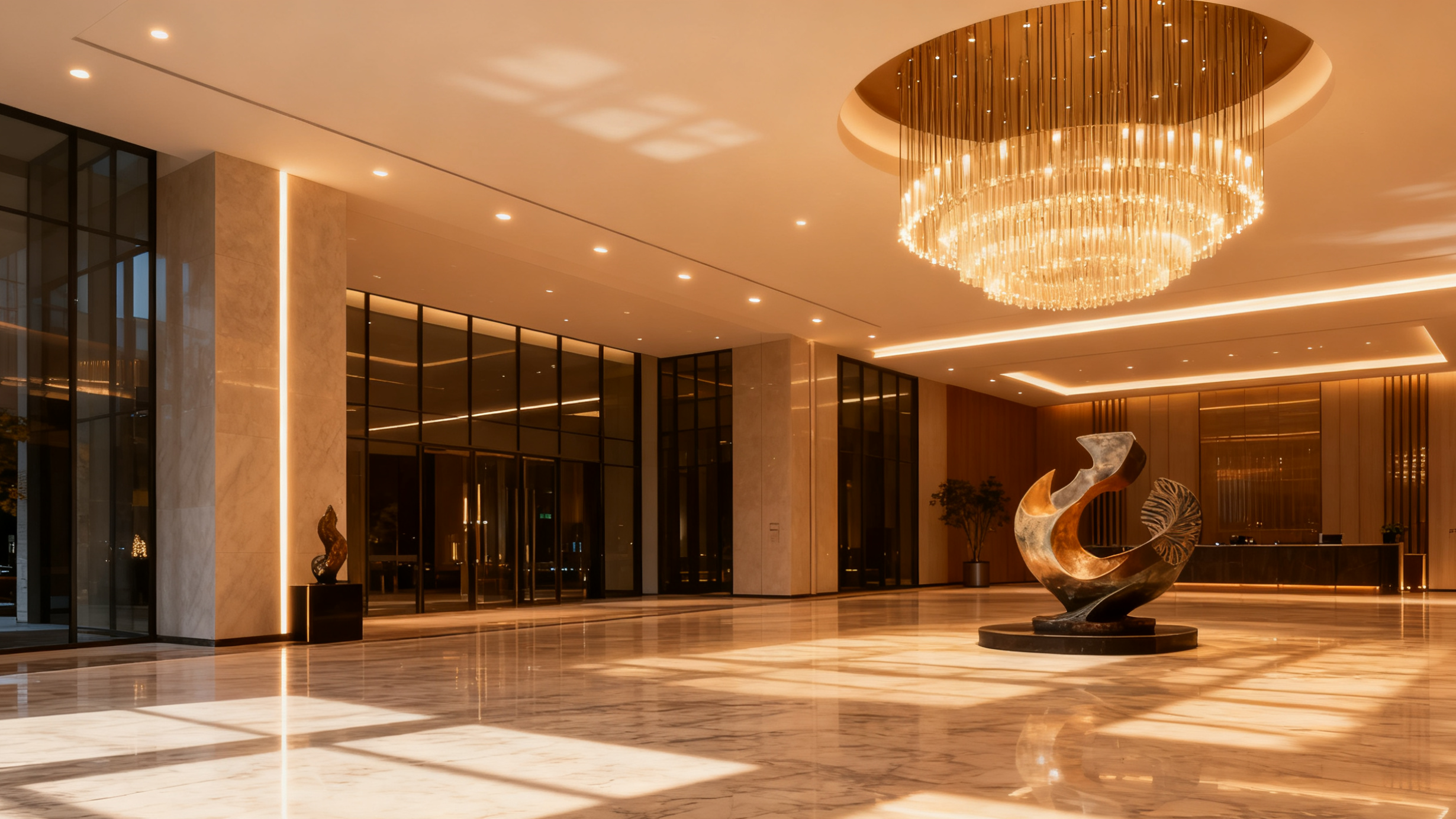
Architects use many custom lighting techniques to make buildings stand out. You can use these methods inside and outside. Each one helps you see and enjoy special features in a new way.
アップライト
Uplighting means you place lights at the base of a wall, column, or tree. The light shines upward. This makes the space feel taller and shows off textures. You often see uplighting on building facades, garden walls, or statues. It works well for both homes and public spaces.
Uplighting creates a warm and inviting feeling in large rooms.
It highlights details like brick, stone, or wood.
LED uplights save energy and last a long time.
Tip: Uplighting can be tricky to install in tall rooms or outdoors. You may need to clean and check the lights often.
ダウンライト
Downlighting uses lights that shine downward from the ceiling or a high spot. You can use recessed spotlights or track lights. This method draws attention to floors, tables, or art. It also helps you see better in work areas.
When you use downlighting on walls or columns, you make the room look taller and deeper. This works well in small rooms or places with low ceilings. You can make a space feel bigger and more open with the right downlighting plan.
アクセント照明
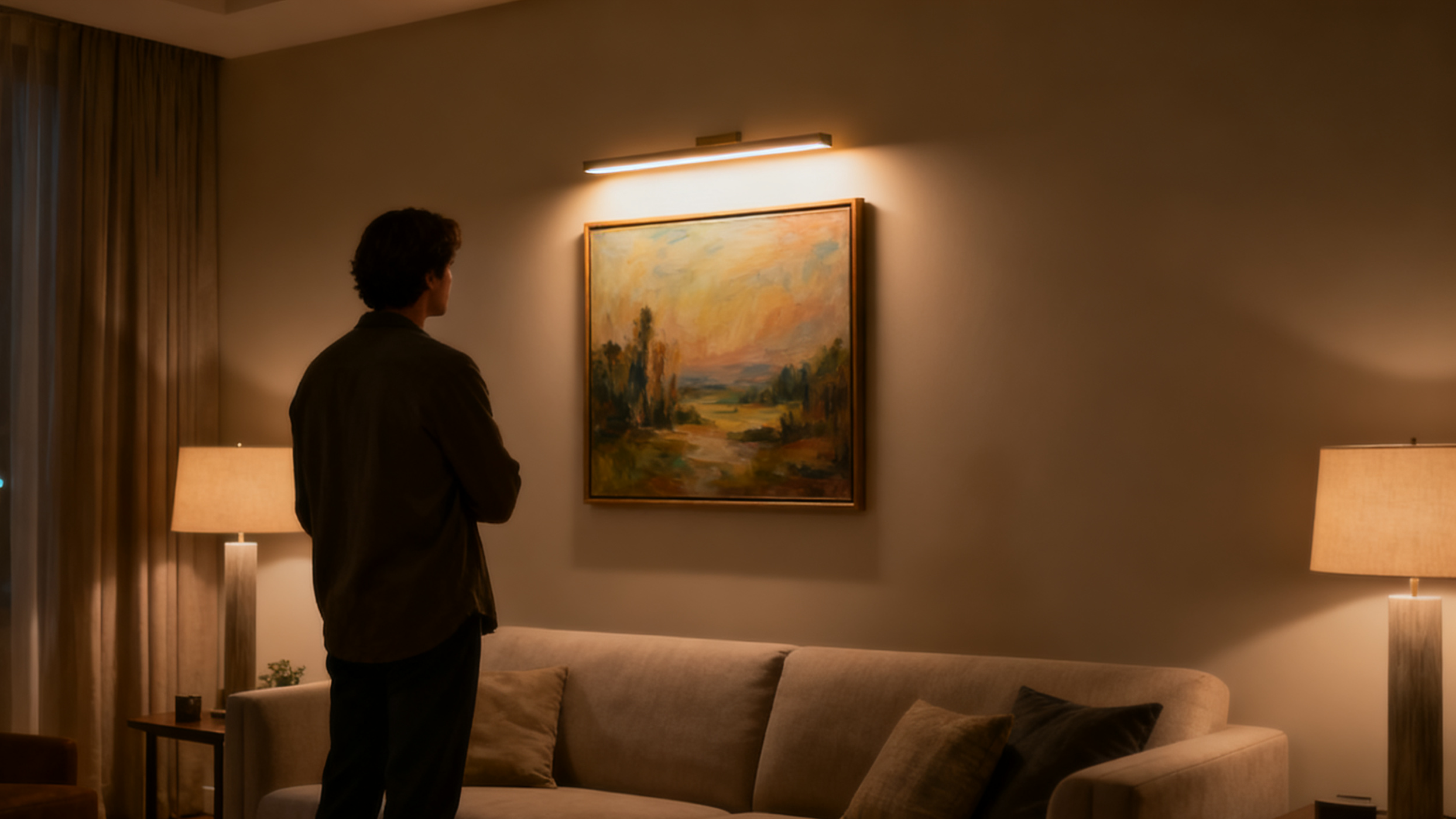
Accent lighting lets you focus on one detail. You use spotlights or adjustable fixtures to shine light on art, plants, or special walls. This makes the feature pop and draws your eyes right to it.
You can use accent lighting to show off a fireplace, a painting, or a unique wall.
In gardens, accent lights can highlight trees or sculptures.
Commercial buildings often use accent lighting to make their entrances stand out.
A West Hollywood fitness studio used linear LED lights to make people feel like they were traveling through space. This shows how accent lighting can create a strong mood and make a place memorable.
Wall Grazing
Wall grazing means you put a light close to a textured wall and aim it at a sharp angle. This makes shadows that show off every bump and groove. You can use wall grazing on brick, stone, or wood to make the surface look more interesting.
Wall grazing brings out the depth and character of a wall.
It adds a tactile feeling, making you want to reach out and touch the surface.
This technique works well on both indoor feature walls and outdoor facades.
Rope Lighting
Rope lighting uses flexible tubes filled with small lights. You can bend and shape them to fit almost anywhere. Rope lights work well for both accent and perimeter lighting.
Scenario Type | 説明 |
|---|---|
Cove or Accent Light | Place rope lights behind objects for a soft glow in living rooms or home theaters. |
Perimeter Lighting | Outline decks, stairs, or ceilings to highlight their shape. |
フォーカルポイント | Shape rope lights into forms or sculptures to make a main attraction in a space. |
Holiday Decorations | Use rope lights to brighten up decorations during festive seasons. |
You can use rope lighting to add a gentle glow or to make a bold statement. It is easy to install and safe for many uses.
Layering Light
Layering light means you use more than one type of lighting in a space. You combine ambient, task, and accent lighting to make the room feel balanced and comfortable.
Ambient lighting gives a soft, overall glow.
Task lighting helps you see better for reading, cooking, or working.
Accent lighting draws attention to art, plants, or special features.
When you layer light, you avoid harsh shadows and make the space feel rich and welcoming. This works for both inside and outside. For example, you can use string lights for mood, spotlights for safety, and accent lights for beauty in a garden.
Note: Layering light helps you create spaces that look good and work well. You can change the mood by turning different lights on or off.
Custom lighting techniques let you shape how people see and feel about a building. You can use these ideas to make your own home or business stand out.
Lighting Layout Planning
Feature Assessment
First, look at each room and think about what makes it special. Ask yourself how you want the room to feel. Think about what you do in that space. Maybe you want to show off a painting or a reading nook. You might want to light up a kitchen island.
Sit in the room and notice how you use it. Think about how you want it to feel at different times. Each space has different jobs. This helps you plan your lighting. You can layer lights to set the right mood.
You can use a checklist to help you choose what is important:
Space purpose: Does the room work as a study or craft area?
Artwork and photos: Are there special pieces you want to show?
Users: Do older adults or kids use the room most?
Time of day: When do you use the space? Does sunlight matter?
Architects often work with others to make sure the lighting fits.
Principle | 説明 |
|---|---|
Lighting Needs Assessment | Learn what each space needs, like mood lighting for homes or task lighting for kitchens. |
Incorporate Natural Light Simulations | Use skylights and big windows. Try to see how much light comes in and if there is glare. |
Collaboration with Key Stakeholders | Get ideas from engineers, designers, and clients. This helps make the lighting work well. |
Light and Shadow Balance
You need to balance light and shadow to make a room feel nice. Too much light can make a room look boring. Too many shadows can make it feel dark. You use different tricks to fix this:
Place windows in smart spots to control light.
Pick materials that bounce or soak up light.
Use computer programs to see how light changes.
Try daylighting tricks like clerestories and light shelves.
Use smart glass and special walls to save energy and manage light.
Draw your floor plan and mark where the sun shines in. Think about how furniture and walls change the light. Plan for both day and night lighting.
治具の配置
Pick where to put each light so it works best. You want people to walk safely and see textures. You also want details to be clear.
照明の種類 | Placement Recommendation | 目的 |
|---|---|---|
Pathways | Help guests walk safely | |
Walls | Place grazing lights 1–2 feet from the wall | Show off texture |
Focal points | Use one accent light | Make small details stand out |
Mark heavy furniture and things that cannot move on your plan. Make sure each light helps you reach your goals. Custom Lighting works best when you match the right light to the right spot.
Tip: Always test your lighting plan before you put in the lights. Move them around and see how the light changes the room.
Fixture Selection
Picking the right lighting fixtures helps your space look good. It also makes sure your space works well. You need to think about style and how the lights work. You want fixtures that do their job and look nice.
Fixture Types and Styles
There are many fixture choices for your project. Each one looks different and does something special.
壁取り付け用燭台 give light and decorate the room. You can use them for soft or focused lighting.
Pendant lights make a space feel open and bright. They are good for tables or kitchen islands.
Track lighting lets you move lights where you need them. You can shine them on art or work spots.
Recessed lighting looks neat and simple. It is good for lighting up the whole room.
Fixtures made from wood or metal add a cozy style.
Tip: Choose fixtures that fit your room and match your style. You can mix different styles to make your space unique.
色温度
Color temperature changes how a room feels. It helps you show off special features.
Warm white light (about 3000k) makes reds and yellows pop.
Cool white light (about 4000k) makes blues and greys look sharp.
Cooler lights are good for places like factories. They show steel beams and brick walls well.
Picking the right color temperature helps you set the mood.
Lighting can make a room feel calm or full of energy. You pick the bulbs to control the feeling.
Efficiency and Durability
You want lights that last long and save power. Look at the table below to see your choices:
Lighting Technology | 利点 | |
|---|---|---|
Solid-State Lighting (SSL) | >150 | Very efficient, smart controls, uses less power, people like it |
Linear Fluorescent | ~75 | Used a lot, but not as good as SSL |
Incandescent | ~15 | Old style, but uses more energy |
Solid-state lighting is best for most spaces. It saves money and works with smart systems.
Custom Lighting for Exteriors
Outdoor lights need to be strong and look nice.
Consideration | 説明 |
|---|---|
Light up paths, stairs, and doors so people do not trip. | |
Dark Sky Compliance | Use lights that protect the night sky and animals. |
Weather Resistance | Pick tough materials like aluminum or stainless steel. |
Zoning Regulations | Learn the local rules for how bright and where to put lights. |
メンテナンス | Make sure you can clean and change bulbs easily. |
Smart Technology Integration | Use smart controls to save energy and check your lights. |
Aesthetic Factors | Pick lights that match your building and yard style. |
Outdoor lights must handle rain, wind, and sun. You also need to think about safety and local laws.
Custom outdoor lighting often uses solar or battery power. You can make your space look friendly and save energy.
Custom lighting changes how you see and feel in a space. You can use layering, dimmers, and natural light to create the right mood and highlight special features. If you want the best results, work with a lighting designer. They help you choose fixtures that match your style and last a long time.
Use dimmers to adjust brightness.
Maximize daylight for comfort.
Smart lighting systems now let you change colors and brightness, making spaces healthier and more inviting.
よくある質問
What is custom lighting in architecture?
Custom lighting means you choose lights to fit your building’s style and needs. You use special fixtures and layouts to highlight features and create the right mood.
How do you pick the best lighting for a room?
You look at what you want to show in the room. You think about how you use the space. You test different lights to see which ones work best.
Can custom lighting save energy?
Yes! You use LED lights and smart controls to lower power use. You pick fixtures that last longer and use less electricity.
Why do architects use accent lighting?
Accent lighting helps you focus on special details. You use it to show off art, plants, or unique walls. It makes spaces more interesting.
Is custom outdoor lighting hard to maintain?
You choose strong fixtures for outside. You clean them and check them often. You use weatherproof materials to keep lights working well.