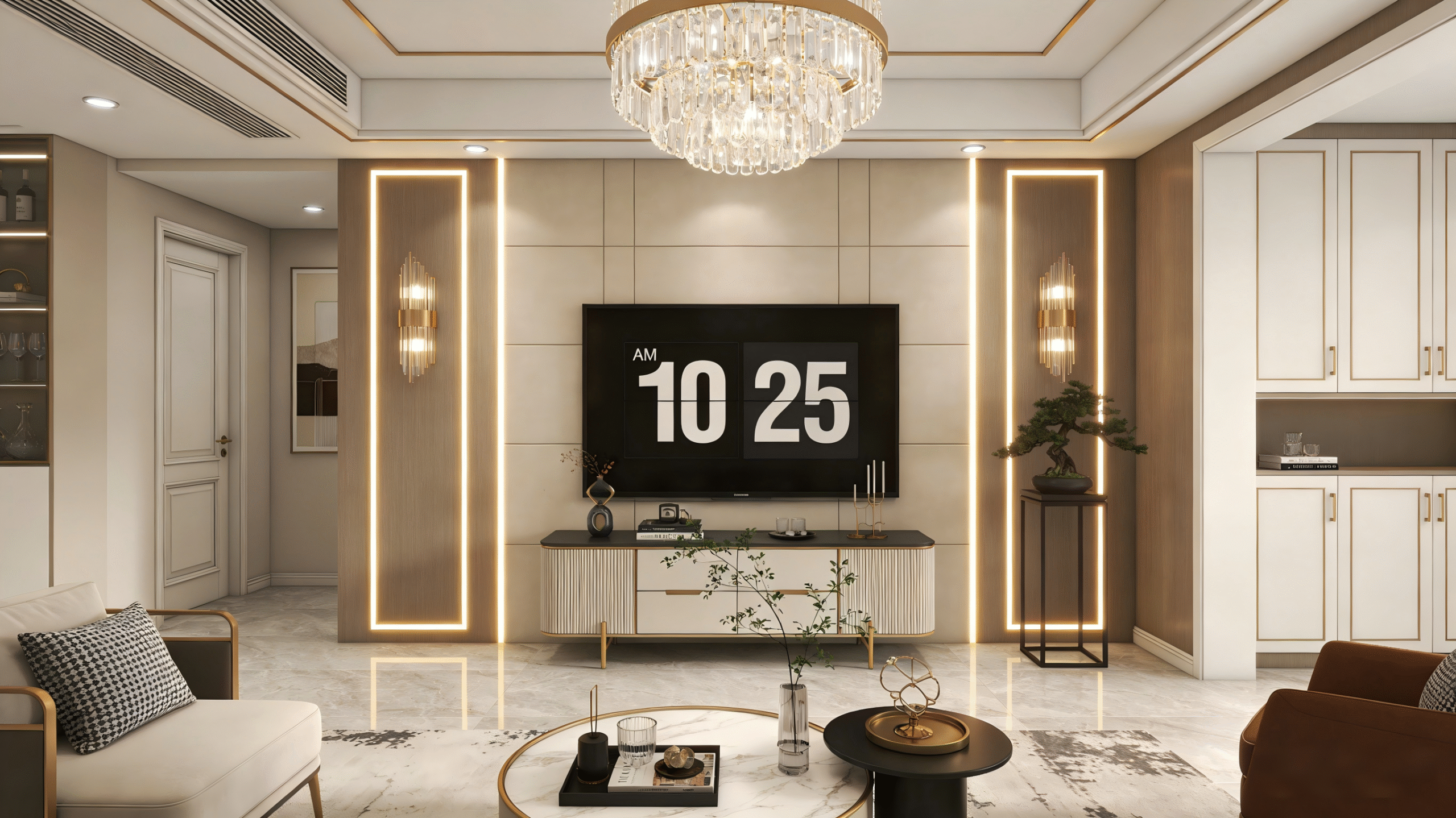
Custom lighting transforms small properties, creating immediate visual impact. A striking entryway chandelier elicits admiration, while kitchen pendants modernize the space. Outdoor lighting enhances both aesthetics and security. Each fixture contributes to atmosphere and property value, as detailed below:
| Lighting Upgrade Area | Impact on Buyer Perception | Potential Return on Investment |
|---|---|---|
| Entryway Chandelier | Establishes luxurious, welcoming atmosphere | High – first impressions significantly influence perceptions |
| Kitchen Island Pendants | Defines space and creates contemporary feel | High – kitchens strongly influence home sales |
| Modern Bathroom Sconces | Creates spa-like ambiance and modernizes room | Medium to High – adds tangible value |
| Outdoor Lighting | Enhances curb appeal and security | High – extends usable living space |
Strategic lighting investment creates distinctive aesthetics while increasing property visibility and appeal.
Key Takeaways
- Custom lighting enhances exterior appearance, creating welcoming, memorable first impressions
- Layered lighting expands perceived space, making small areas feel more open and comfortable
- Smart lighting systems conserve energy while increasing property value
- Accent lighting highlights architectural features, adding style and visual interest
- Careful lighting planning prevents common mistakes and ensures successful upgrades
Custom Lighting Benefits for Small Properties
Boosting Curb Appeal
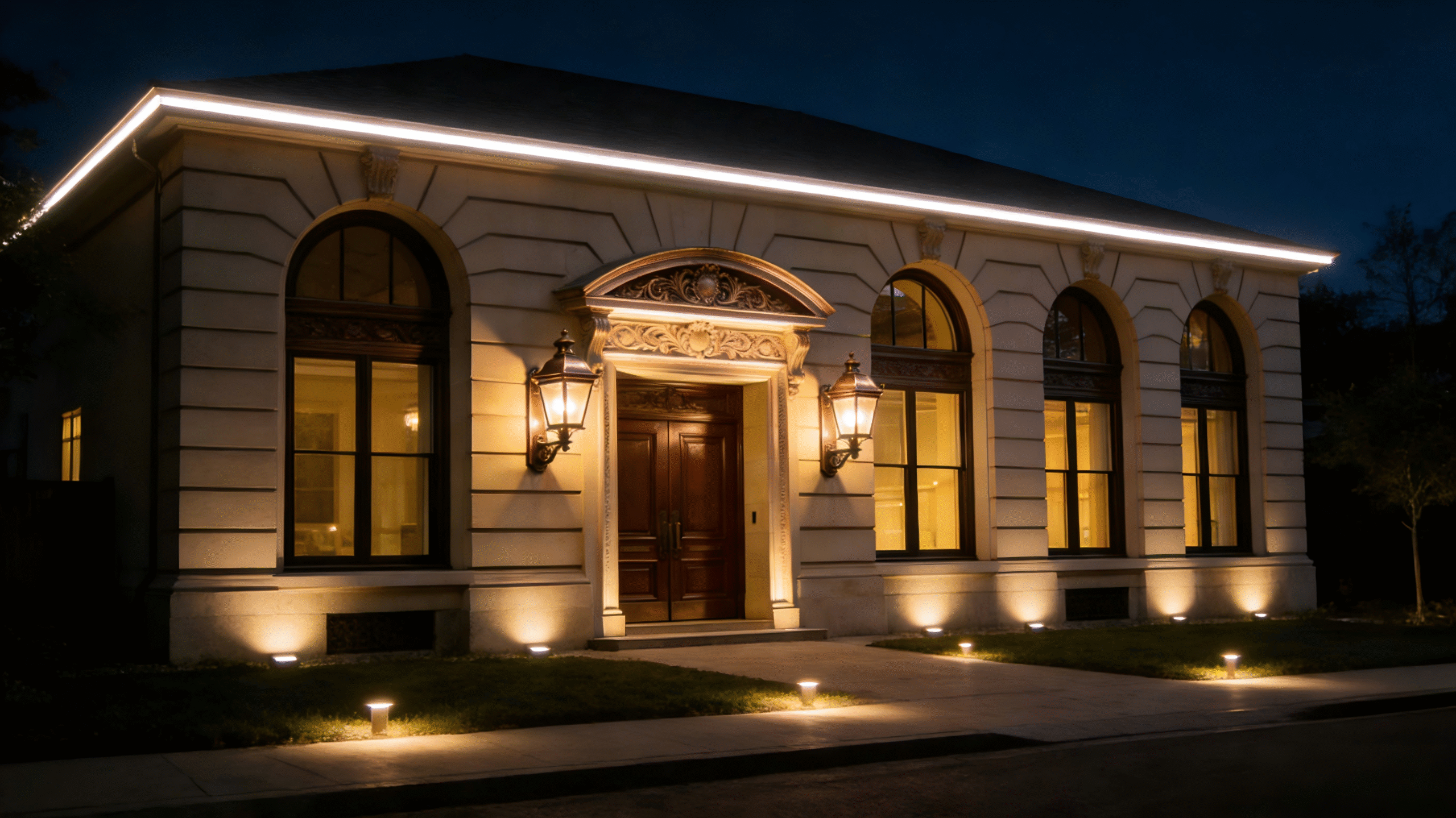
Custom lighting distinguishes properties from the street. Fixtures complementing architectural style create cohesive appearances that highlight best features like charming porches or unique trim. While standard lighting often appears generic, custom solutions express property personality.
- Custom lighting emphasizes architectural elements
- Creates warm, inviting illumination welcoming guests
- Coordinated fixtures enhance overall polish and completeness
Tip: Even modest additions like path lighting or distinctive porch fixtures significantly improve curb appeal and memorability.
Creating Spacious Ambiance
Strategic lighting makes small spaces feel larger. Vertical lighting draws eyes upward, creating ceiling height illusions. Layered lighting combining multiple sources eliminates shadows and distributes illumination evenly, producing open, comfortable environments.
- Mirrors and reflective surfaces amplify light distribution
- Combined natural and artificial lighting creates bright, airy atmospheres
- Corner lighting eliminates dark areas, expanding spatial perception
Optimized lighting reduces cramped feelings, creating welcoming environments that seem more expansive.
Enhancing Value and Comfort
Custom lighting provides aesthetic and practical benefits. Smart systems and energy-efficient LEDs reduce utility costs while appealing to environmentally conscious buyers. Proper lighting also improves safety through illuminated pathways and entry points.
| Reason for Investment | Sự miêu tả |
|---|---|
| Atmosphere Enhancement | Establishes desired moods from cozy to vibrant across rooms |
| Functionality Improvement | Provides appropriate illumination where needed, reducing eye strain |
| Energy Conservation | Lowers utility bills through efficient bulbs and smart controls |
| Property Value Increase | Enhances appeal to prospective buyers and renters |
| Personal Style Expression | Reflects individual taste through distinctive fixtures |
Designer fixtures like wall sconces or statement ceiling lights add luxurious touches that personalize spaces. Real estate professionals consistently emphasize lighting’s substantial impact on property perception. Thoughtful lighting decisions made now save future time and expense while increasing marketability.
Permanent smart lighting improves curb appeal while enhancing property value and security. LED smart lights consume up to 75% less energy, benefiting both finances and environmental sustainability.
Lighting Techniques That Make Properties Stand Out
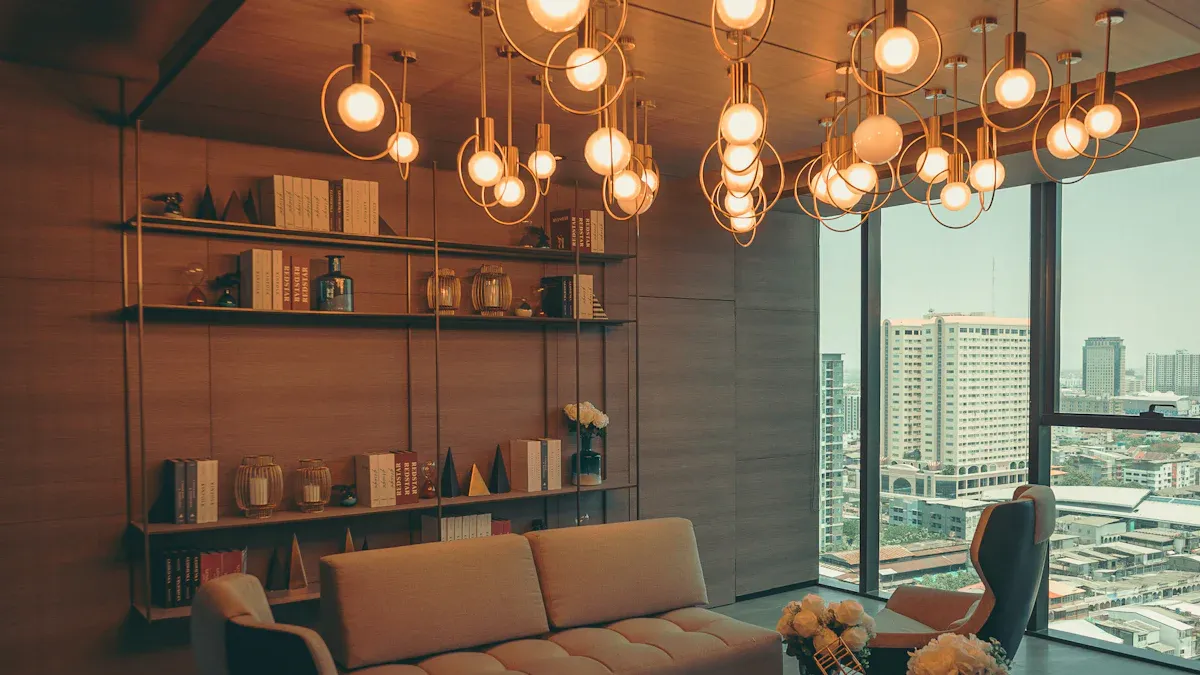
Strategic lighting combinations highlight property strengths while creating inviting atmospheres. Common techniques include:
| Lighting Technique | Mục đích | Example Applications |
|---|---|---|
| Ánh sáng nhiều lớp | Combines task, ambient, and accent lighting for balanced functionality | Under-cabinet kitchen lighting |
| Chiếu sáng nhiệm vụ | Provides focused illumination for specific activities | Desk lamps in home offices |
| Chiếu sáng xung quanh | Creates gentle background illumination establishing mood | Dimmable ceiling fixtures |
| Chiếu sáng tạo điểm nhấn | Highlights specific objects or architectural features | Track lighting for artwork |
| Chiếu sáng âm tường | Provides general or focused illumination from ceiling installations | Smart lighting customization systems |
| Wall-Mounted Lighting | Offers ambient and accent illumination without floor space | Decorative sconces |
| Ánh sáng mặt dây chuyền | Draws eyes upward, creating height illusions | Stylish pendant fixtures |
Accent Lighting for Focal Points
Accent lighting emphasizes distinctive property features. This technique highlights artwork, textured walls, or architectural details, adding visual depth and interest.
- Emphasizes wall textures and details
- Showcases artwork and collectibles
- Highlights unique architectural elements
Architectural lighting illuminates columns, while landscape lighting enhances gardens. Pathway lighting guides guests while beautifying entryways. Accent lighting works both indoors and outdoors, creating cohesive property presentations.
Uplighting and Downlighting Effects
Uplighting and downlighting transform nighttime property appearances. Uplighting directs illumination upward, emphasizing brickwork or window details while creating intriguing shadows and dimensional effects. Downlighting directs illumination downward from elevated positions, providing practical pathway lighting with subtle ambient effects.
| Loại ánh sáng | Effects on Building Facades |
|---|---|
| Chiếu sáng | Highlights architectural features, creates depth and dimension, enhances aesthetic appeal |
| Downlighting | Provides practical illumination, ensures safety, creates natural ambiance |
Use uplighting to emphasize columns or stone walls. Employ downlighting from porch ceilings or eaves to illuminate steps and pathways.
Layered and Smart Lighting
Layered lighting combines ambient, task, and accent illumination to maximize small space functionality. This approach allows precise control over room atmosphere and utility.
- Layered lighting integrates ambient, task, and accent sources
- Ambient lighting provides general room illumination
- Task lighting supports specific activities
- Accent lighting adds stylistic emphasis and visual interest
Smart lighting controls enable adjustments via smartphones or voice commands. LED bulbs offer exceptional energy efficiency, consuming approximately 75% less energy than traditional bulbs with significantly longer lifespans, reducing both costs and maintenance requirements.
Tip: Experiment with layered lighting in kitchens or living rooms. You’ll notice spaces appear brighter, more expansive, and functionally enhanced.
How Architects Use Custom Lighting
Highlighting Architectural Features
Architects employ custom lighting to emphasize distinctive building elements. Strategic fixture placement showcases unique features rather than simply illuminating spaces.
Wall grazing or wall washing techniques highlight textured surfaces or exposed beams, revealing depth and creating visual interest. Accent lighting draws attention to built-in shelves or reading nooks. Architectural lighting applied thoughtfully makes homes feel more expansive and inviting.
Tip: Experiment with spotlights on artwork or pendant lighting over kitchen islands. Observe how appropriate lighting transforms room atmosphere.
Creating Lasting Impressions
Architectural lighting shapes visitor experiences from entry. Strategic placement directs attention to standout features while establishing welcoming moods.
Beyond illumination, architectural lighting helps potential buyers envision themselves in spaces. Highlighting key areas increases curb appeal and property value. Home staging professionals recognize lighting’s crucial role in creating emotional connections with properties.
- Lighting significantly influences property perception
- Well-positioned lighting encourages return visits
- Effective lighting accelerates property sales
Lighting shapes visitor experiences whether functional or decorative. It adapts spaces for various purposes from professional presentations to social gatherings.
Architectural lighting creates memorable impressions that distinguish properties, building emotional connections beyond simple illumination.
Planning and Installing Custom Lighting
Assessing Needs and Budget
Effective lighting design aligns with both property requirements and financial considerations. Begin by evaluating existing illumination, identifying areas needing improvement or enhancement.
Planning steps include:
- Assess current lighting and outdoor areas
- Identify areas needing additional illumination or feature highlighting
- Select fixtures complementing spatial dimensions and personal style
- Position lights to eliminate dark areas and enhance outdoor spaces
Budget considerations are essential. Small outdoor projects typically start around $2,500, while comprehensive whole-property upgrades may reach $8,500-$10,000. Balance costs against anticipated value increases and personal enjoyment.
Tip: LED outdoor lighting upgrades conserve energy while improving safety.
DIY vs. Professional Installation
| Diện mạo | DIY Advantages | DIY Disadvantages | Professional Advantages | Professional Disadvantages |
|---|---|---|---|---|
| Trị giá | Potential savings | Time-consuming with error risks | High-quality, safe results | Higher initial expense |
| Creative Control | Complete design freedom | Possible expertise limitations | Expert design knowledge | Reduced personal involvement |
| Tính linh hoạt | Self-paced progress | Potential inefficiency | Efficient, timely completion | Scheduling requirements |
| Sự an toàn | Skill development | Safety risks | Code compliance and safety assurance | Reduced flexibility |
Experienced individuals can manage simple projects, but complex installations like security lighting require licensed electricians ensuring safety and regulatory compliance.
Avoiding Common Mistakes
Common lighting installation errors include:
- Neglecting comprehensive lighting plans
- Selecting improperly sized fixtures
- Placing lights in ineffective locations
- Overlooking dimmer or smart control integration
- Ignoring natural light considerations
- Compromising electrical safety standards
Note: Regular fixture cleaning and connection checks, especially outdoors, maintain optimal performance and appearance.
Careful planning, appropriate professional assistance, and mistake avoidance ensure lighting designs that enhance property distinction.
Custom lighting genuinely transforms small properties, enhancing curb appeal, creating comfortable atmospheres, and increasing value through strategic enhancements. Even single fixture additions make noticeable differences.
- Install statement lighting in entryways
- Incorporate smart bulbs for convenient control
- Highlight favorite architectural features
Begin your lighting upgrade today. Whether pursuing DIY projects or engaging professionals, you’ll appreciate the transformative results.
Câu hỏi thường gặp
What is custom lighting?
Custom lighting involves selecting fixtures, placements, and brightness levels tailored to individual style and spatial requirements, creating unique property appearances.
Can I install custom lighting myself?
Simple projects like bulb replacements or lamp additions suit DIY approaches. Electrical installations requiring wiring should involve licensed professionals to ensure safety.
How much does custom lighting cost?
Costs vary from approximately $50 for individual lamps to over $2,000 for comprehensive systems. Starting with smaller projects allows budget management.
Does custom lighting save energy?
Yes. LED bulbs and smart controls significantly reduce energy consumption, lowering utility expenses while supporting environmental sustainability.
Will custom lighting increase my home’s value?
Custom lighting enhances aesthetic appeal and perceived safety. Prospective buyers notice these improvements, potentially accelerating sales and increasing property values.