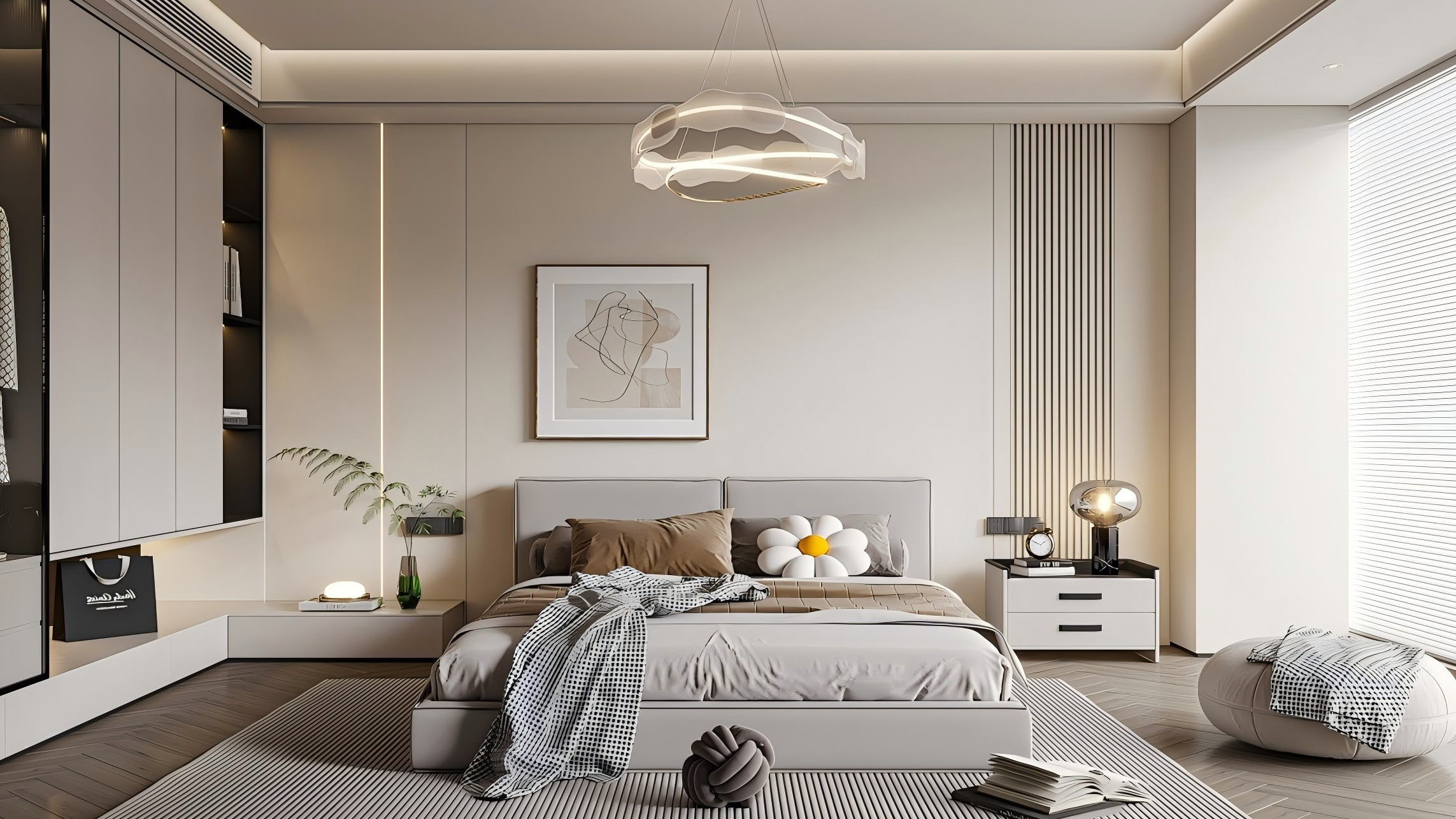
You can see many materials used in decorative lighting, like:
Metals (aluminum, copper, iron, stainless steel)
Glass (blown, stained, etched, LED glass)
קֵרָמִי
גָבִישׁ
פּלָסטִי
Wood and bamboo
Fiber and fabric
Each material has its own good points. Metals are strong and look nice. Glass gives color and shines. Ceramic does not get hot easily. Crystal makes things sparkle. Wood and bamboo look natural. Knowing about these choices helps you choose the best material. You can pick what looks good and is safe for your room.
טייקאות מפתח
Pick lighting materials that match your room’s look. Think about how long they last and if they are safe. Metals and glass are strong and safe. They look nice and last a long time. They also fit many styles. Soft materials like fabric and paper make warm, cozy light. But they need gentle care and do not last as long. Materials like acrylic and polycarbonate spread light well. They are easy to clean and take care of. Using recycled or natural materials helps the planet. These materials also give your lighting a special look.
Key Factors
עֲמִידוּת
You want your lights to last a long time. Some materials, like metal and polycarbonate, are very strong. Metal does not dent or scratch easily. Polycarbonate can take hits and high heat. Wood and fabric might not last as long. They can wear out faster in busy places. If your room is used a lot, pick strong materials.
סִגְנוֹן
The material of your lights changes how your room feels. Each style of decorating uses certain materials.
Interior Design Style | סגנון תאורה | Common Materials |
|---|---|---|
Art Deco | Geometric, bold | Glass, steel, plastic, jade |
Bohemian | Eclectic, colorful | Mixed vintage, fabric, wood |
Coastal | Light, airy | Natural fibers, wicker |
Scandinavian | Simple, natural | Rattan, wool, light wood |
תַעֲשִׂיָתִי | Raw, exposed | Metal, brick, wood |
Minimalist | Clean, sleek | Stone, concrete, timber |
Rustic | Warm, natural | Reclaimed wood, stone |
Pick a material that fits your room’s style. Glass and steel look good in Art Deco rooms. Rattan and wool are great for Scandinavian spaces.
בְּטִיחוּת
Safety is very important for lighting. Always look for safety marks like UL, CE, or CSA. These marks mean the lights follow safety rules.
Good lighting usually has these marks. They show the lights are safe and made well. You keep your family safe when you buy certified lights.
הסמכה | What It Means |
|---|---|
UL | Meets U.S. safety standards |
CSA | Meets Canadian safety rules |
ETL | Passes U.S. safety tests |
לִספִירַת הַנוֹצרִים | Meets European safety laws |
RoHS | Free from harmful metals |
DLC | High quality and efficient |
Light Diffusion
Good lights spread light all over the room. Some materials, like acrylic and polycarbonate, do this best.
Acrylic lets lots of light through and spreads it well.
Polycarbonate also spreads light and is very strong.
חוֹמֶר | Light Spread | Extra Features |
|---|---|---|
אַקרִילִי | Excellent | UV stable, easy to shape |
Polycarbonate | Very Good | Tough, heat resistant |
Pick these materials if you want soft, even light.
תַחזוּקָה
Some materials are easier to clean than others. Glass and crystal look nice but show dust and fingerprints. Metal may need to be polished. Fabric and wood can stain or fade. Acrylic and polycarbonate are easy to wipe clean.
Tip: Choose a material that matches how much cleaning you want to do.
Materials for Decorative Lighting

זְכוּכִית
Glass is a very popular material for decorative lighting. It comes in many types, like stained, frosted, etched, or textured. Glass makes any room look pretty and fancy. It lets light shine through and can make soft or colorful effects. You can find glass in chandeliers, pendant lights, wall sconces, and table lamps.
Glass is simple to clean and does not scratch easily, so it works well in busy places. It also gives privacy but still lets in sunlight. Designers use glass to make special patterns or put company logos on it, so it looks nice and works well.
תֵאוּר | |
|---|---|
Aesthetic Appeal | Artistic designs, custom colors, and patterns |
Strength & Durability | Laminated glass prevents dangerous shards |
Light Diffusion & Opacity | Controls light flow and privacy |
Privacy | Keeps spaces private without blocking light |
Soundproofing | Reduces noise in busy areas |
Versatility in Design | Fits many styles and uses |
תַחזוּקָה | Easy to clean and long-lasting |

גָבִישׁ
Crystal makes lights sparkle and look fancy. You see crystal a lot in chandeliers and wall sconces. Crystal prisms split light and make rainbows and shiny effects. Good crystal is clear and bright, so rooms feel special. You can use crystal in old or new designs. Crystal is best in places where you want to impress people, like dining rooms or entryways.

מַתֶכֶת
מַתֶכֶת is strong and can be shaped in many ways for lighting. There are many kinds, like chrome, brass, nickel, gold, silver, bronze, copper, tin, and zinc. Each metal looks different and has its own good points.
מַתֶכֶת | Advantages & Uses |
|---|---|
כרום | Bright, resists rust, good for modern and industrial styles |
פְּלִיז | Warm color, classic look, indoor use |
Nickel | Sleek, modern, strong, rust-resistant |
זָהָב | Rich, luxury, resists oxidation, used in high-end lighting |
Silver | Timeless, good conductivity, best for dry spaces |
Bronze | Warm, dark finish, indoor and some outdoor uses |
Copper | Durable, can look antique, good for large or statement pieces |
Tin | Rust-resistant, cost-effective, outdoor use |
אָבָץ | Low cost, protects from rust, used for small parts |
You can use metal for lamp bases, shades, frames, and decorations. Metal lasts a long time and matches many styles, from old to new.
פְּלִיז
Brass is made from copper and zinc. It has a warm gold color that makes rooms feel cozy. Brass reflects light and makes your room brighter.
Brass is strong and does not rust, so it lasts a long time.
It gets a patina as it ages, which gives it a special look.
Brass works with all bulbs, even LEDs.
It is not magnetic, so it is safe for electric parts.
You see brass in table lamps, wall sconces, and pendant lights. It fits both new and old styles.
Copper
Copper is known for its reddish-brown color and does not rust. It is easy to shape and works inside or outside. Over time, copper turns green, which many people like.
Copper lights last a long time, even in bad weather. You can use copper for pendant lights, outdoor lanterns, and decorations. Its color and shine make it great for special lights.
אֲלוּמִינְיוּם
Aluminum is light, strong, and easy to shape. It comes in many colors and finishes, so it is good for modern lights.
Aluminum does not rust or get damaged by the sun, so it works inside and outside.
It helps move heat away from LEDs, so lights last longer.
Designers use aluminum to make cool, modern lights.
You can use aluminum in pendant lights, wall lights, and big light displays.

קֵרָמִי
Ceramic gives bright colors and feels smooth. It does not get hot and lasts a long time.
Ceramic lights can have fun shapes and patterns.
They are heavy and can break if dropped, so be careful.
Ceramic is safe near heat and electricity.
You see ceramic in table lamps, wall sconces, and hanging lights. It makes any room look artistic.
Advantages of Ceramic | Disadvantages of Ceramic |
|---|---|
Heavy, fragile, expensive |

בַּד
Fabric is used to make light softer and spread it out. You can pick from cotton, linen, silk, or synthetic blends.
Fabric shades make a warm, cozy glow.
You can use fabric for lamp shades, hanging lights, or big ceiling panels.
Designers use fabric to add texture and color.
עֵצָה: You can shine light through or behind fabric for different looks. Stretchy fabrics and special patterns make lighting look cool and different.

עֵץ
Wood makes lighting feel warm and natural. You can pick cherry, cedar, pine, birch, maple, or oak.
Cedar smells good and keeps bugs away, so it is good outside.
Pine is light and easy to shape, so it fits many styles.
Wood works in table lamps, pendant lights, and wall lights. It fits rustic, modern, and simple styles.
Natural Fibers
Natural fibers like jute, rattan, and banana fiber are good for the planet.
Rattan can be picked without hurting the plant.
Banana fiber breaks down and comes from plants that grow againו
You can use these fibers in pendant lights, lanterns, and wall sconces. They add texture and help the environment.

פּלָסטִי
Plastic is used a lot in lighting because it is light, cheap, and easy to shape.
There are many kinds of plastic, but recycling is hard if they are mixed.
Using plastic in lights saves money and lets you make fun shapes.
Note: LED lights often use plastic parts, which can be recycled to help the earth.
אַקרִילִי
Acrylic is a clear plastic that lets light pass through well.
It spreads light evenly, so you do not see bright spots.
Acrylic does not break easily and can handle weather, so it works inside and outside.
It does not turn yellow in the sun and stays clear for years.
You can use acrylic in lamp shades, panels, and outdoor lights.
אֶבֶן
Stone makes lighting look fancy and natural.
Marble is smooth and has pretty lines that shine in the lightו
Granite is strong and comes in many colors and patterns.
Limestone looks soft and warm.
Slate looks modern and has layers that make cool shadows.
Lighting can show off the special look of each stone and make them stand out.
Stoneware
Stoneware is a kind of ceramic baked at high heat. It is strong and looks rustic.
You can use stoneware for lamp bases and shades.
It does not get hot and lasts a long time.
Stoneware gives lighting an earthy, handmade feel.
נְיָר
Paper is light and easy to shape for lighting.
You can make paper into lanterns or lamp shades.
It spreads light softly, making a calm and cozy mood.
You can use paper in modern, simple, or classic designs.
Recycled Materials
Recycled materials help make lighting better for the earth.
You can find lights made from recycled glass, metal, plastic, or paper.
Using recycled stuff cuts down on waste and saves resources.
These lights often look special and creative.
You can pick recycled lighting to help the planet.
Composite Materials
Composite materials mix two or more things to make something newו
They are light, strong, and easy to shape.
Composites do not get damaged by water, cracks, or bending.
You can find them in many finishes, like shiny or painted.
Designers use composites to make bold, modern lights that stand out.
Fiberglass
Fiberglass is made from glass fibers and resin.
It is very light but also very strong, even stronger than steel for its weightו
Fiberglass does not rust or break easily, so it lasts a long time.
It is safe near electricity because it does not carry current.
You can use fiberglass for lamp posts, shades, and big lights that need to be strong and light.
Plaster
Plaster is used to make smooth lights built into walls or ceilings.
Plaster lights blend in with the room and look clean and modernו
You can shape plaster into lines or special forms.
Plaster spreads light evenly and stops glare.
It is safe, saves energy, and is easy to take care of.
You see plaster lighting in homes, offices, and public places.
Technopolymers
Technopolymers are special plastics used in new lightingו
They are strong, light, and can be shaped in fun ways.
Technopolymers work well with LED lights.
Designers use them for table lamps, floor lamps, pendants, and more.
You can find technopolymer lights in many styles, from simple to bold.
LEDs in Decorative Lighting
LEDs have changed how people use materials in lightingו
LEDs are small and cool, so you can use them in new shapes and materials.
They let designers make open lights, thin panels, and even glowing furniture.
LEDs use less power and last longer than old bulbs.
You can change the color and brightness, so your lighting is more fun and creative.
LEDs let you use almost any material in lighting, so you have many design choices.
Material Comparison
Pros and Cons
When you pick materials for decorative lighting, think about how they work in real life. Here is a simple table that shows the most common materials and how they compare:
חוֹמֶר | עֲמִידוּת | סִגְנוֹן | בְּטִיחוּת | Light Diffusion | תַחזוּקָה |
|---|---|---|---|---|---|
זְכוּכִית | בֵּינוֹנִי | Elegant, modern | Safe if thick | Excellent | קַל |
גָבִישׁ | בֵּינוֹנִי | Luxurious | Fragile | Sparkling | Needs cleaning |
מַתֶכֶת | גָבוֹהַ | Classic, modern | Very safe | Reflective | קַל |
פְּלִיז | גָבוֹהַ | Warm, vintage | Very safe | Reflective | Needs polish |
Copper | גָבוֹהַ | Rustic, classic | Very safe | Reflective | Needs polish |
אֲלוּמִינְיוּם | גָבוֹהַ | Modern, sleek | Very safe | Good | קַל |
קֵרָמִי | גָבוֹהַ | Artistic | Very safe | Soft | קַל |
בַּד | נָמוּך | Cozy, soft | Can burn | Soft, warm | Hard |
עֵץ | בֵּינוֹנִי | Natural, rustic | Can burn | Warm, soft | Needs care |
אַקרִילִי | גָבוֹהַ | Modern, bright | Very safe | Excellent | קַל |
אֶבֶן | גָבוֹהַ | Elegant, solid | Very safe | נָמוּך | קַל |
נְיָר | נָמוּך | Simple, soft | Can burn | Soft, warm | Hard |
עֵצָה: Aluminum and brass do not rust and last a long time. Glass and crystal look pretty but can break. Acrylic is strong and gives off bright light.
השימושים הטובים ביותר
You can choose materials that fit your room and style for the best look:
Glass or crystal work well in living rooms or dining rooms. They make the space look fancy.
Metal, brass, or aluminum are good for kitchens, bathrooms, or outside. These do not rust and are simple to clean.
Fabric or paper are nice for bedrooms or cozy spots. They make soft light but need gentle care.
Wood or natural fibers are great for rustic or eco-friendly rooms. They add warmth and texture.
Acrylic or ceramic are perfect for modern rooms. They give bright light and bold shapes.
Each material has something special for decorative lighting. Think about where you will put the light and what style you like before you choose.
Choosing Materials
סוג חדר
Think about where you will put your decorative lighting. Every room needs something different. Kitchens and bathrooms need strong and safe materials. Metal or glass are good because they handle heat and water. Bedrooms and living rooms can use softer materials. Fabric, wood, or natural fibers make these rooms feel cozy. Outdoor areas need materials that can handle weather. Aluminum, copper, or treated wood work well outside. Always pick the right material for each room to get the best results.
Design Goals
Your design ideas help you choose the best materials. If you want a modern style, pick acrylic, aluminum, or glass. These make rooms look bright and clean. For a rustic or natural look, use wood, stone, or rattan. These add texture and make rooms feel warm. If you want to impress people, use crystal or brass. These materials stand out and look fancy. You can also mix different materials together. Try a metal frame with a glass shade. Or use a wood base with a fabric cover. Mixing materials makes your lighting look special.
העדפות אישיות
What you like is most important. Pick materials that match your favorite colors and textures. If you want easy cleaning, choose glass or acrylic. If you care about the planet, pick recycled or natural materials. You can use your favorite materials in small ways. Try them on lamp bases or shades. Do not be afraid to try new mixes. Sometimes, mixing materials looks the best.
Tip: Try out samples of materials at home. See how they look with your furniture and wall colors before you choose.
Understanding the materials used in lighting helps you make smart choices for your home. You can match your style and needs by looking at how each material works. Try exploring samples or talk with lighting experts to see what fits best. The right material can change the mood of any room. You have the power to create a space that feels just right.
שאלות נפוצות
What is the safest material for decorative lighting?
You can trust metal and glass for safety. These materials do not burn or melt easily. Always check for safety marks like UL or CE before you buy any light.
How do I clean different lighting materials?
Use a soft cloth for glass, metal, and acrylic. For fabric, use a vacuum or lint roller. Wood needs a dry cloth. Avoid water on paper or fabric shades.
Can I use wood or fabric lights in the bathroom?
You should avoid wood and fabric in bathrooms. These materials can get damaged by moisture. Choose metal, glass, or plastic for wet areas.
Which material gives the softest light?
Fabric and paper shades give you the softest, warmest light. These materials spread light gently and reduce glare. Try them in bedrooms or cozy spaces.
Are recycled materials good for lighting?
Yes! Recycled materials help the planet and look unique. You can find lights made from recycled glass, metal, or plastic. These options work well and support sustainability.