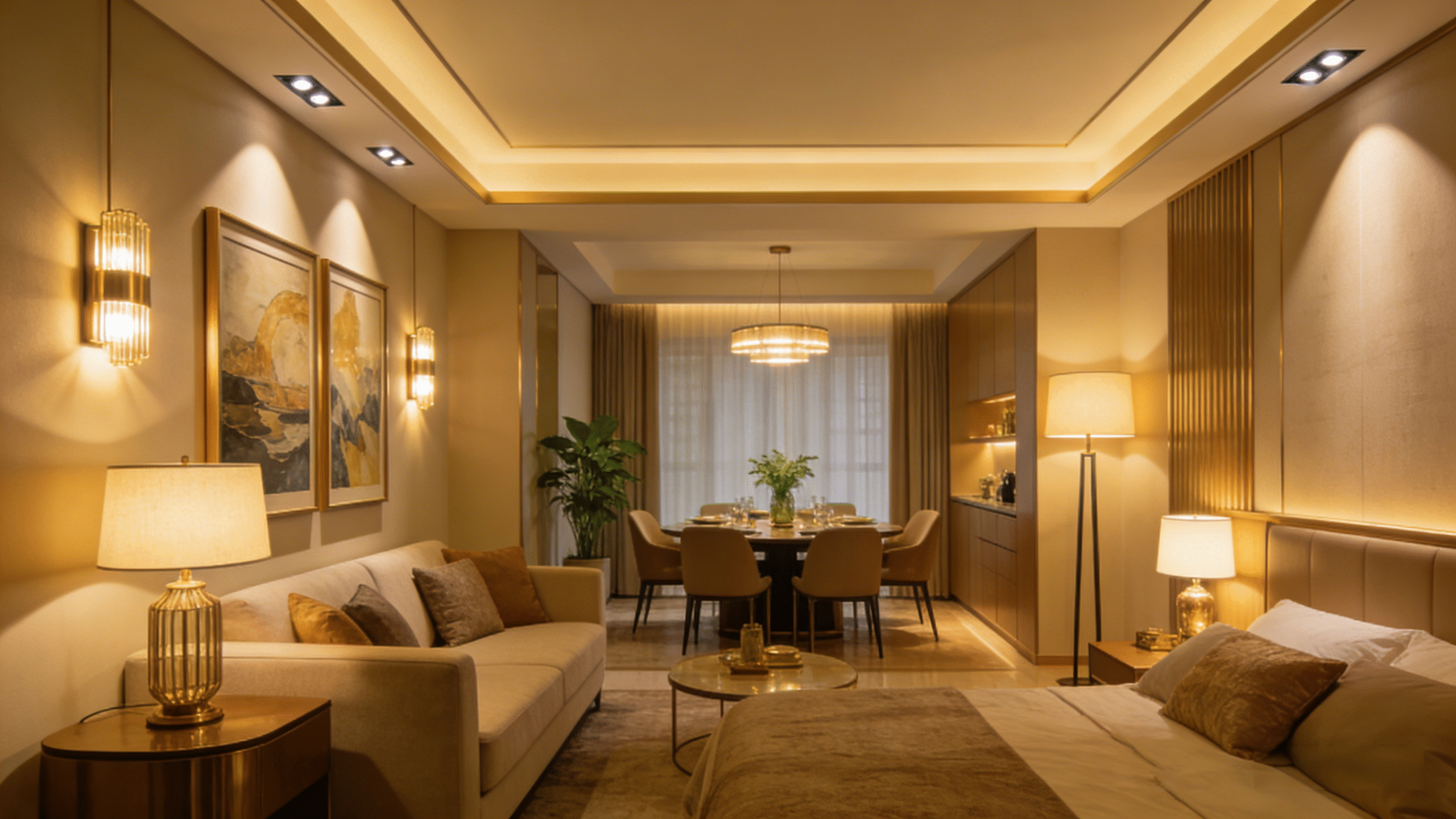
Lighting does more than just brighten a room. You can use light as a creative tool to shape your space and set the mood. When you choose the right lighting, you enhance style and make your home feel safer. Consider these study results:
| Principales conclusions | Description |
|---|---|
| Impact of Lighting | Lighting increases perceived safety in residential areas, raising the perceived value of the space. |
| Statistical Analysis | Researchers found a strong link between safety and lighting, with an R² value of 0.643. |
You bring artistry into your home each time you experiment with new fixtures or layouts.
Principaux à retenir
- Lighting transforms a room’s appearance and feel. Use sunlight and lamps to create lively or relaxing spaces.
- Combine different lighting types like ambient, task, and accent to improve visibility and aesthetics.
- Choose energy-efficient bulbs like LEDs to save money and reduce environmental impact without sacrificing style.
- Experiment with techniques like uplighting and downlighting to highlight architectural features.
- Adjust light colors to set the mood. Warm colors create coziness, while cool colors promote calm.
Lighting’s Impact on Atmosphere
Natural vs. Artificial Light
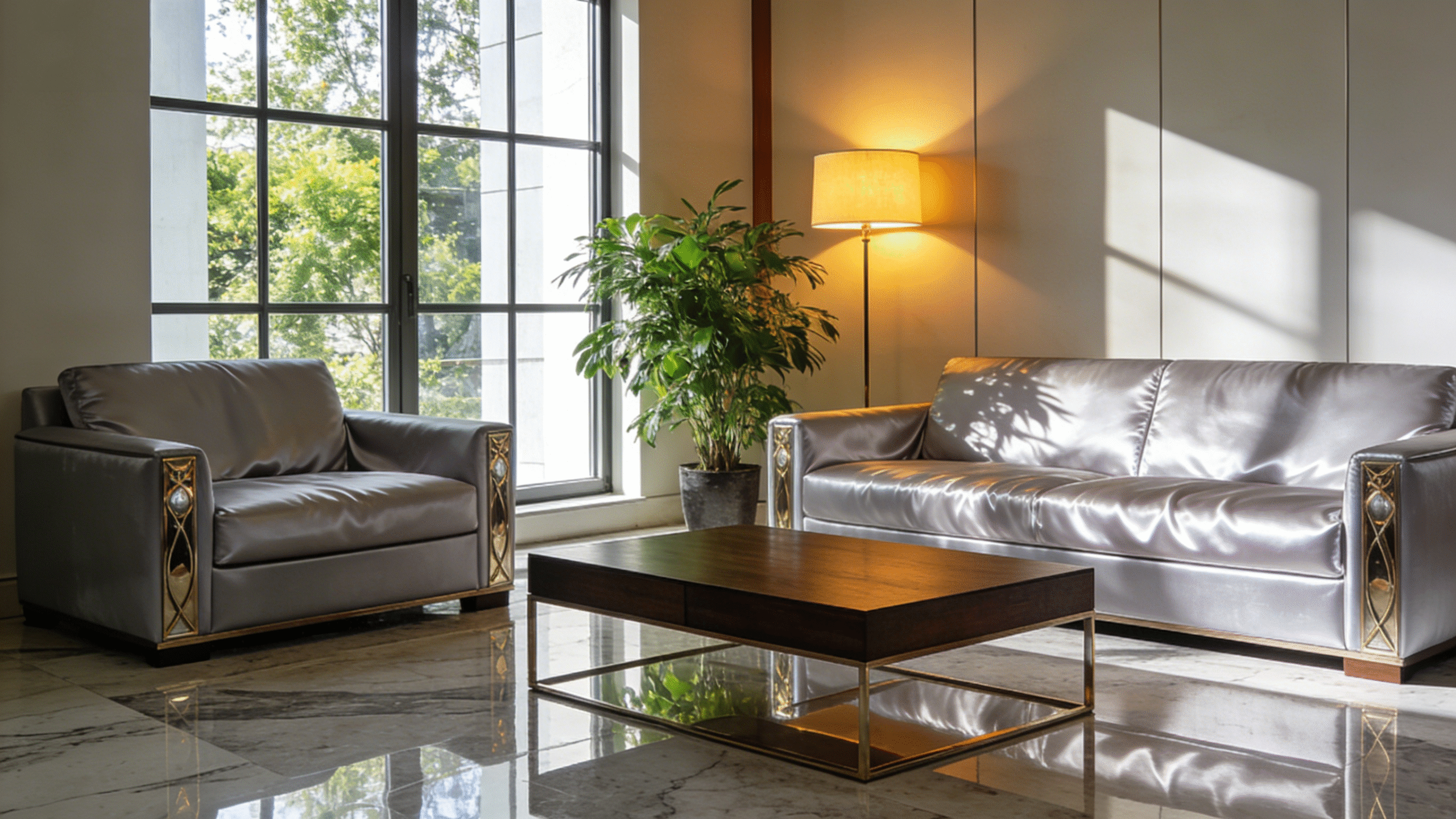
You can alter a room’s feel by changing the light. Natural light energizes and enhances colors. Artificial light allows mood setting at any time. Compare how each type affects your space:
| Fonctionnalité | Lumière naturelle | Artificial Light |
|---|---|---|
| Spectrum | Full spectrum | Mimics natural light but static |
| Dynamics | Dynamic, changes throughout the day | Static, consistent during use |
| Color Influence | Highlights primary colors, makes whites crisp | Can enrich or dull colors based on type |
| Ambiance | Creates varied atmospheres (bright to soft) | Allows precise mood setting |
Natural light makes rooms feel bright and open. Artificial light provides steady control. Combining both creates a unique style. Artistic lighting showcases colors and textures, making spaces inviting and dynamic.
Psychological Effects of Lighting
Lighting affects both vision and emotions. Bright light intensifies feelings. Dim light promotes calm and clear thinking. Light color and brightness influence mood. Blue light increases alertness but can disrupt sleep. Red light encourages relaxation and well-being.
Light does more than enable vision; it impacts body and mind. Studies show bright light intensifies emotions, while low light supports steadiness and clarity. Lighting effects depend on brightness, saturation, and hue. Natural light boosts happiness, while artificial light colors can alter emotions.
Use lighting to create a safe or joyful home environment. Choosing appropriate lighting supports health and personalizes your space.
Artistry in Lighting: Techniques and Trends
Architectural and Up Lighting
Use lighting to showcase your home’s best features. Uplighting shines light upward on columns or textured walls for dramatic emphasis. Downlighting illuminates patios and walls softly and elegantly. Accent lighting focuses on specific details like doors or gables. Grazing light across stone or brick enhances texture and creates dynamic surfaces.
Choose the right technique with this guide:
| Technique | Best Features | Effect |
|---|---|---|
| Éclairage vers le haut | Columns, trees | Bold, dramatic |
| Éclairage vers le bas | Patios, walls | Soft, elegant |
| Accent | Gables, doors | Focused, subtle |
| Grazing | Stone, brick | Textured, dynamic |
Mix these techniques to highlight unique features. Artistic lighting plays with shadows and shapes, turning walls or arches into art. Designers increasingly use dynamic effects like color or brightness changes. Sustainable options like LEDs save energy and last longer.
Tip: Try uplighting on a favorite column or arch to see how it alters mood and draws attention to details.
Sculptural and Decorative Fixtures
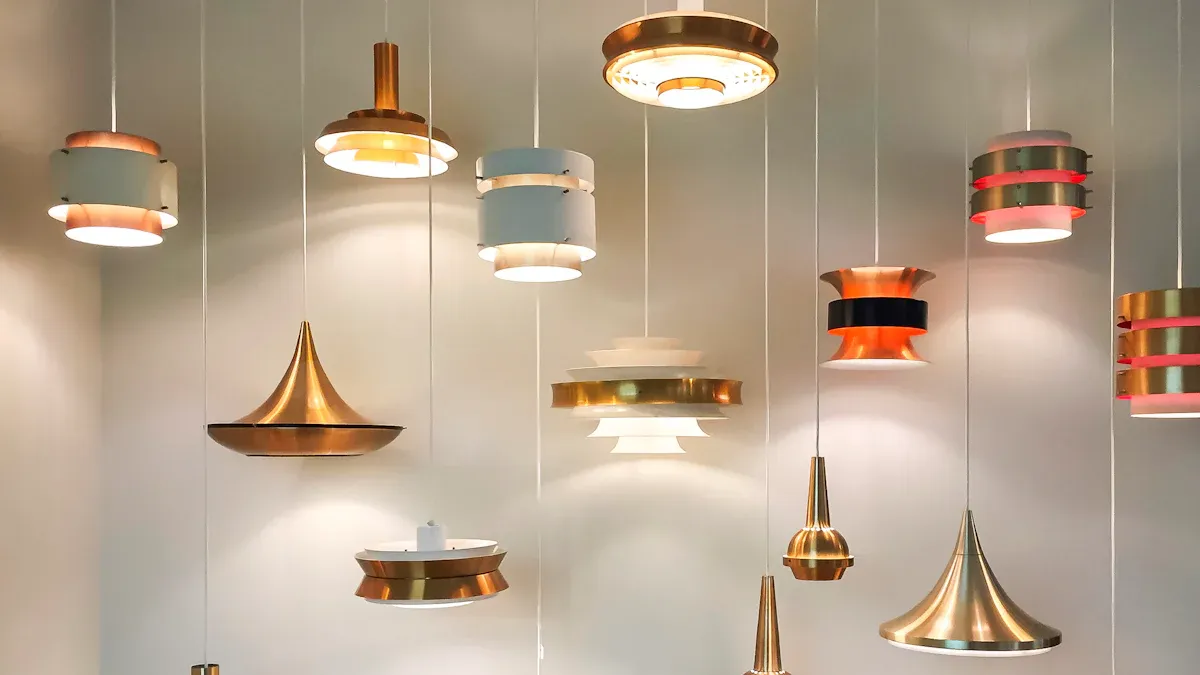
Lighting can be a room’s focal point. Sculptural fixtures like bold chandeliers or artistic lamps add personality and style. These pieces feature unique shapes or inventive designs, setting the mood and reflecting taste.
- Sculptural lighting fixtures bring art into homes through creative forms.
- They make rooms more interesting and can become the main focus.
- These fixtures define spaces, especially in open rooms, without needing walls.
- Chandeliers draw eyes upward and add drama.
- Their shapes can complement or contrast with architecture, adding depth and elegance.
Sculptural lighting adds another layer to artistry, transforming everyday rooms into galleries. Modern trends include minimalistic forms or color-changing LEDs for personal expression.
Layering Light for Depth
Create warm, inviting spaces by layering different light types. Start with ambient light to fill the room, add task lighting for activities, and finish with accent lights to highlight art or features.
Layering light offers more than aesthetics. It provides control over brightness and softness, allowing mood changes with simple adjustments. This approach also supports privacy and energy savings with appropriate bulbs and controls.
Note: Layered lighting creates completeness. Each layer adds depth and makes rooms more adaptable for various activities.
Artistry shines when combining techniques, creating balanced, comfortable, and character-filled spaces. Trends like human-centric lighting match indoor light to natural body rhythms. Smart technology simplifies adjustments for any mood or time.
Staying updated with trends and trying new layering techniques continually refreshes home beauty. Remember, effective lighting design balances style and function for perfectly tailored rooms.
Types of Lighting for Aesthetic Value
Éclairage d'accent
Accent lighting highlights special home features like art, furniture, or architectural details. It adds depth and liveliness, transforming plain walls into interesting displays and creating adjustable mood and ambiance.
- Accent lighting enhances spaces by emphasizing selected features.
- It makes art stand out and showcases architectural beauty.
- Strategic placement adds character and visual interest.
Accent lighting is an excellent choice for standout rooms, combining with other types for balanced design.
Mood and Ambient Lighting
Ambient lighting provides a soft glow, making spaces feel safe and welcoming. It sets a calm mood suitable for living rooms or bedrooms. Natural light elevates mood and makes rooms appear larger and brighter.
Ambient lighting is the primary layer in any room, creating a gentle glow that feels safe and inviting. It establishes a comfortable atmosphere ideal for living spaces. Natural light boosts serotonin, enhancing cheerfulness and openness.
Mood lighting allows adjustments to room feel. Dimmers or smart bulbs change brightness and color, matching light to mood or activity.
Task Lighting in Design
Task lighting provides focused light for specific activities like reading, cooking, or working. It offers stronger illumination where needed.
- Task lighting supplies adequate light for various tasks.
- It works well in reading nooks, kitchen counters, and workspaces.
- Combining task lighting with other types maintains utility and style.
Combining accent, ambient, and task lighting creates both beauty and functionality. Artistry emerges through layering, making homes special and comfortable.
Applying Lighting Design by Room
Kitchen Lighting Strategies
Enhance kitchen style and function with these steps:
- Evaluate Your Space: Measure and note sink, appliance, and work area locations to plan task, ambient, or accent lighting placement.
- Match Your Kitchen’s Style: Choose lighting that complements your kitchen’s design—modern fixtures for sleek styles, rustic lights for farmhouse aesthetics.
- Plan for Adequate Illumination: Use varied fixtures. Recessed lights brighten the whole room; under-cabinet lights assist cooking tasks.
- Choose the Right Bulbs: LED bulbs save energy and last longer. Halogen bulbs provide warm glow.
- Install Controls: Dimmer switches adjust brightness; smart lights offer remote control.
Kitchens need flexible lighting for cooking and socializing. LED lights provide focused task lighting and stylish ambiance for gatherings.
Living Room Layering
Create cozy, stylish living rooms with layered lighting:
- Ambient lighting fills the room softly.
- Task lighting aids reading or work.
- Accent lighting highlights art or features.
Layered lighting delivers more than brightness. It creates warmth, improves function, and enhances beauty. Combining lights ensures each room area serves its purpose effectively.
Living rooms prioritize comfort and style. Layered lighting allows mood changes and maintains flexibility.
Bedroom Ambiance
Create relaxing, inviting bedrooms with these techniques:
| Lighting Technique | Description |
|---|---|
| Éclairage ambiant | Fills room with gentle light, removes shadows, sets calm tone |
| Éclairage d'accent | Highlights décor, adds depth |
| Éclairage | Provides focused light for reading or hobbies |
| Dimmer Switches | Allows brightness control and mood setting |
| Température de couleur | Warm tones reduce eye strain and boost comfort |
| Blue Light-Blocking Bulbs | Protects sleep by reducing harsh white light |
Tip: Install dimmer switches to adjust light for relaxation or bedtime preparation.
Bathroom Highlights
Transform bathrooms into stylish retreats with smart lighting:
- Ambient lighting creates openness and brightness.
- Task lighting aids grooming and minimizes shadows.
- Accent lighting adds depth and visual interest.
Good bathroom lighting improves safety and mood. Bright, even light ensures clarity; softer light aids relaxation after busy days. Proper lighting can create a spa-like atmosphere.
Color, Direction, and Energy Efficiency
Managing Color Temperature
Color temperature changes room feel. Warm colors like red and yellow create coziness and energy. Cool colors like blue and green promote relaxation and spaciousness. Warm lighting in hallways feels close and friendly; cool lighting in small rooms enlarges perception. Neutral tones brighten dark spaces flexibly.
- Warm colors energize, suitable for kitchens and dining rooms.
- Cool colors calm, ideal for bedrooms and bathrooms.
- Neutral tones expand rooms and assist in low-sunlight areas.
Understanding color’s emotional impact helps set desired feelings. Warm colors encourage sociability and activity; cool colors promote peace and calm.
Directional Lighting and Shadows
Enliven rooms by altering light direction and shadow play. Combine ambient, task, and accent lighting. Arrange furniture to allow sunlight movement. Choose fixtures with interesting shapes for captivating shadows. Textured surfaces like brick or wood alter shadow appearance. Mirrors and glass reflect light, brightening rooms and softening shadows.
- Use light layers for balance.
- Allow natural light to highlight features.
- Experiment with different lights and textures for new effects.
- Install dimmers for brightness control.
- Illuminate art or decorations to make them stand out.
Directional lighting sets mood and emphasizes special elements.
Energy-Efficient Lighting Choices
Save energy while maintaining style. LEDs use significantly less energy than traditional bulbs and last longer. CFLs also save energy and come in various colors. Smart lighting allows phone-controlled brightness and color adjustments for further savings. Solar-powered lights use sunlight and have no operating costs.
| Lighting Option | Économies d'énergie | Options de style |
|---|---|---|
| LED Lights | Up to 80% | Many designs |
| CFLs | About 70% | Various colors |
| Éclairage intelligent | Customizable | Modern, flexible |
| Solar Powered Lighting | 100% savings | Facile à installer |
Energy-saving bulbs lower bills and benefit the environment. Modern fixtures offer numerous shapes and colors for stylish options.
Lighting influences room perception. It can emphasize colors and showcase interesting surfaces. Light colors expand spaces; dark colors create warmth and snugness. Experiment with different lights and layering techniques to discover new moods and styles. Test changes in one home area—adjust brightness or add accent lights. Lighting reveals special features and textures, adding depth and welcome. It provides both utility and beauty to every room.
FAQ
What is the best way to start improving lighting in my home?
Begin by observing each room at different times of day. Swap bulbs for warmer or cooler tones. Test lamps in dark corners. Small changes help identify what works best.
How do I choose the right fixture for my space?
Tip: Match fixture style to your room’s vibe. Choose sleek shapes for modern spaces, softer designs for cozy areas. Always verify size for proper fit.
Can lighting really change my mood?
Yes. Bright light increases alertness; dim light promotes relaxation. Colors also matter: blue light boosts energy, warm light induces calm. Smart bulbs allow mood adjustments anytime.
Are energy-efficient lights worth it?
| Type d'ampoule | Savings | Durée de vie |
|---|---|---|
| DIRIGÉ | Haut | Long |
| LCF | Moyen | Moyen |
| Incandescent | Faible | Short |
Energy-efficient lights save money and help the planet. LEDs last longer and use less power.