


장식 액세서리는 평범한 방을 특별하게 만들 수 있습니다. 적절한 아이템을 선택하면 방은 아늑하고 차분한 느낌을 줍니다. 물건을 홀수 그룹으로 배치하거나 다른 모양을 사용하면 방이 균형 있게 보이는 데 도움이 됩니다. 비슷한 예술 작품으로 갤러리 벽을 장식하면 공간이 깔끔해 보입니다. 베개나 식물의 밝은 색상은 기분을 좋게 만들어줍니다. 이제 많은 사람들이 식물과 친환경적인 물건을 사용합니다. 작은 디테일로 당신의 스타일과 개성을 보여줄 수 있습니다.
주요 테이크 아웃
장식용 액세서리는 당신이 누구인지 보여줍니다. 그들은 당신의 방을 따뜻하고 기분 좋게 만들어줍니다.
함께 어울리는 색상과 모양을 사용하세요. 방의 균형을 맞추려면 '3의 법칙'을 시도해 보세요. 이렇게 하면 방이 연결된 느낌을 받는 데 도움이 됩니다.
스타일과 질감을 주의해서 혼합하세요. 이것은 당신의 공간을 재미 있고 다르게 유지합니다. 또한 방이 지저분해 보이는 것을 방지합니다.
베개, 미술품, 식물로 색상을 추가해 보세요. 색상은 방의 느낌을 바꿀 수 있습니다. 부드러운 색상은 차분한 느낌을 줍니다. 밝은 색상은 에너지를 줍니다.
너무 많은 액세서리를 사용하지 마십시오. 무엇을 사용할지 계획하세요. 빈 공간을 남겨두세요. 마음에 드는 것을 골라 보여주세요.
디자인 장식 액세서리

개성을 더하다
장식 액세서리를 사용하면 당신이 누구인지 보여주세요. 좋은 시절을 생각나게 하는 것들을 선택할 수 있습니다. 어떤 사람들은 좋아해요 오래된 책, 밝은 베개 또는 크리스탈 디캔터. These items tell your story and make your room special. You might put wildflowers or plants for a fresh look. Sculptures and bold pieces can start fun talks. Mixing styles and textures makes your home feel lively and cozy. You choose what you like most, and your picks show your interests and style.
Tip: Put your favorite things together. This makes a main spot and shows your personality.
Creating Cohesion
You want your room to feel finished and peaceful. Decorative Accessories help connect different parts of the room. Using rugs, pillows, and art with matching colors or patterns brings things together. The ‘rule of three‘ means using shapes or colors three times for balance. Rugs and lights 방을 고정하고 따뜻함을 더하는 데 도움이 됩니다. 크기와 핏을 고려하면 공간이 잘 계획된 것 같습니다. 응집력은 집이 친근하고 편안한 느낌을 줍니다.
기술 | 응집력을 돕는 방법 |
|---|---|
3의 법칙 | 리듬과 균형을 더해줍니다. |
컬러 하모니 | 다양한 요소를 통합 |
레이어드 텍스처 | 깊이와 연결을 만듭니다 |
균형 잡힌 시각적 무게 | 혼잡함과 혼란을 방지합니다. |
시각적 관심
장식용 액세서리는 집을 더욱 재미있고 흥미롭게 만들어줍니다. 당신은 사용할 수 있습니다 세라믹 꽃병, abstract art, or soft rugs and throws. These things make you want to touch and look closer. Cool lights like chandeliers or bold lamps change the mood and get attention. Layered art and special furniture make your space feel exciting. Picking accessories with different shapes, finishes, and colors makes your room feel full and welcoming.
Popular choices for visual interest:
Decorative lighting
Layered artwork
Statement furniture
Decorative Accessories do more than fill space. They help you show who you are, connect your design, and make your home look great.
Functions and Impact
Reflecting Style
You can show your favorite style with the right accessories. Every design style has its own look. If you like modern spaces, you might pick sleek vases or bold lighting. For a cozy, rustic feel, you could use warm lights and natural wood. Maybe you love bright colors and patterns—then bohemian accessories will fit right in. Check out this table to see how different styles use accessories:
인테리어 디자인 스타일 | Decorative Accessories Example(s) |
|---|---|
현대의 | Statement lighting, sleek accessories |
Traditional | Chandeliers, classic artwork |
거칠게 만든 | Warm lighting, natural decor |
산업용 | Edison bulbs, metal fixtures |
스칸디나비아 사람 | Natural light, minimalist accessories |
보헤미아 사람 | Layered lighting, vibrant accessories |
When you choose pieces that match your style, your room feels more like you. Personal touches, like family photos or art, 집에 있는 듯한 느낌을 주고 공간을 독특하게 만들 수 있도록 도와주세요.
균형 요소
균형은 방을 차분하고 조화롭게 만듭니다. 몇 가지 간단한 트릭을 사용하여 올바른 작업을 수행할 수 있습니다.
큰 항목을 다른 큰 항목과 페어링, 큰 소파와 높은 책장처럼요.
한쪽이 다른 쪽보다 무거워 보이지 않도록 액세서리를 크기, 높이, 색상별로 배치하세요.
벽난로와 같이 주요 장소의 양쪽에 다르지만 동일한 항목을 배치해 보세요.
모든 것을 하나로 묶기 위해 다양한 장소에서 색상이나 질감을 반복합니다.
방이 붐비는 느낌이 들지 않도록 약간의 빈 공간을 남겨 두십시오.
팁: 물건을 홀수로 그룹화하기, 3~5개 정도요. 이게 더 자연스럽고 재미있어 보이네요.
모양과 질감 혼합, like soft pillows with metal lamps, adds warmth and keeps things from looking too harsh. When you balance your accessories, your room feels peaceful and easy to enjoy.
Infusing Color
Color changes how you feel in a room. If you want a calm space, try blue or green pillows and art. These colors help you relax. Want more energy? Use yellow or orange for a happy, lively mood. Research shows that blue rooms help you rest, while warm colors like red and orange can make you feel more awake.
You can use color in small ways, like with vases, rugs, or plants. Even a few colorful pieces can change the whole mood. Just remember, too much of one bright color can feel overwhelming. Try mixing soft and bold colors for the best effect.
Cool colors (blue, green, purple): calm and peaceful
Warm colors (red, orange, yellow): energetic and cheerful
Adding color with accessories lets you set the mood and make your space feel just right for you.
Selecting Accessories
규모와 비율
Getting the right scale and proportion makes your room feel balanced and comfortable. You want accessories that fit the size of your space and your furniture. If you put a tiny vase on a big coffee table, it can look lost. A huge lamp on a small nightstand can feel overwhelming. Try mixing large and small items to keep things interesting. Spread out bigger pieces so one side of the room does not feel heavier than the other.
Think about how your accessories work together. Pair a tall plant with a low bowl or stack books under a small sculpture. Leave some empty space around your items. This gives your eyes a place to rest and keeps the room from feeling crowded. You can use a big piece of art or a bold lamp as a focal point. This draws attention and helps balance the space.
Tip: Repeat shapes or colors in different spots. This creates a rhythm and helps your room feel connected.
Mixing Styles
You do not have to stick to just one style. Mixing styles can make your home feel unique and personal. Start with one main style for most of your room, then add a few pieces from another style. For example, you might have a modern sofa with a vintage lamp or a rustic basket. Try the 80/20 rule: use 80% of one style and 20% of another. This keeps things balanced.
Stick to a simple color palette. This helps different styles work together. Group similar items, like a set of vases or a few books, to keep things neat. Layer textures and patterns, but do not use too many. One big pattern with smaller ones works best. Give each piece its own space so nothing feels crowded.
Here are some easy ways to mix styles without making a mess:
Pick a main style and add a few accents from another.
Use colors that match or blend well.
Group similar items together.
Layer textures, like a soft pillow with a metal tray.
Choose one statement piece to be the star.
Less is more. Edit your accessories so each one stands out.
Updating Decor
You do not need to buy all new things to refresh your space. Small changes can make a big difference. Swap out pillows, throws, or art for a new look. Move accessories from one room to another. Try new arrangements or groupings. You can even repaint or refinish old items to give them new life.
Plan your updates by thinking about what you need and what you love. Make a list before you shop. Set a budget so you do not overspend. You can find great pieces at thrift stores, local shops, or online. Sometimes, making your own decor or upcycling old items saves money and adds a personal touch.
Here is a quick guide to budgeting for accessories in a living room:
Budget Level | Total Room Budget | For Accessories | Example Spend |
|---|---|---|---|
낮은 | $4,000-$7,500 | $1,000-$1,875 | |
Average | $10,000-$20,000 | 25% | $2,500-$5,000 |
고급형 | $30,000-$40,000 | 25% | $7,500-$10,000 |
You can also find affordable options by shopping at consignment stores, supporting local artists, or trying DIY projects. Lighting, paint, and small decor items can change the mood without costing a lot.
메모: Plan your shopping trips and take your time. Sometimes the best Decorative Accessories show up when you least expect them.
일반적인 실수
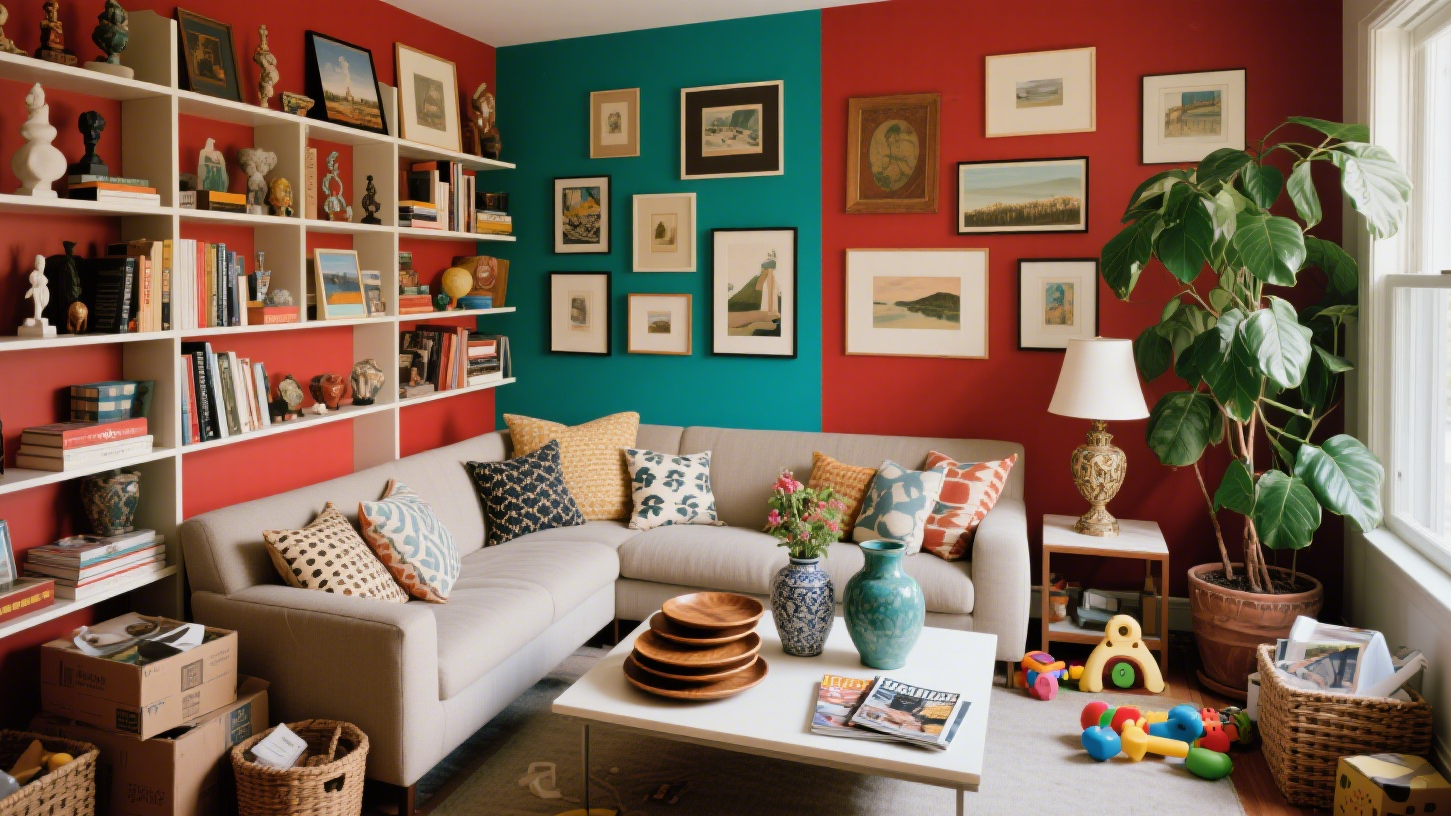
Over-Accessorizing
You want your space to feel cozy and personal, but sometimes you add too many things. Over-accessorizing can make a room feel crowded and busy. You might find it hard to relax or focus. When you fill every shelf and table, your favorite pieces get lost in the clutter. Your room can look more like a store than a home.
다음은 일부입니다 common mistakes people make when decorating:
You skip planning and just buy what catches your eye. This leads to a messy look.
You choose items that are too big or too small for your space. The room feels off-balance.
You ignore how people move through the room. Furniture blocks pathways and makes walking hard.
You pick colors and lighting without testing them. The space feels too bright or dull.
You follow every trend. Your room looks outdated fast.
Try to keep only what you love. Group items in odd numbers, like three or five. Leave some empty space so your eyes can rest. If you want your home to feel calm, less is often more.
Tip: Step back and look at your room. If you see too many things, remove a few and see how it feels.
Neglecting Finishing Touches
You might finish painting and arranging furniture, then stop. Without finishing touches, your room feels incomplete. Small details like trim, hardware, and accessories bring everything together. They add warmth, texture, and personality.
Designers say you should plan for these details from the start. Set aside money for accessories and finishing work. Pay attention to things like moldings and light switches. Test paint colors and flooring in your actual space before you decide. Walk through your room and check every corner. Sometimes, using items you already own makes your space feel more personal.
Save part of your budget for accessories.
Do a final walkthrough before calling it done.
Ask for help from professionals if you want a polished look.
Note: Finishing touches are like jewelry for your room. They make your space feel complete and special.
Decorative Accessories help make your space feel like home. You can see this in real projects. In the UCLA Extension course, students use lighting, rugs, and art. These things add story and warmth to rooms. At Alina Residences, designers put accessories in layers. This made the space cozy and personal. At The 202 apartments, bold pillows and lighting changed the mood. They also made rooms look bigger. If you want great results, plan your choices. Ask experts for help when you need it.
FAQ
How do I choose the right accessories for my room?
Start with what you love. Pick items that match your style and colors. Try grouping things in odd numbers. If you feel stuck, snap a photo of your space and see what looks off.
Can I mix different styles of accessories?
Yes! Mixing styles makes your space unique. Use the 80/20 rule—choose mostly one style, then add a few pieces from another. Keep colors similar so everything feels connected.
How often should I update my decorative accessories?
You can refresh your accessories every season or when you want a new look. Swapping pillows, art, or plants keeps your space feeling fresh. You do not need to change everything at once.
What are some budget-friendly ways to accessorize?
Try thrift stores, DIY projects, or shop local markets.
Rearranging what you already own can also make a big difference.
Plants and handmade items add style without costing much.